
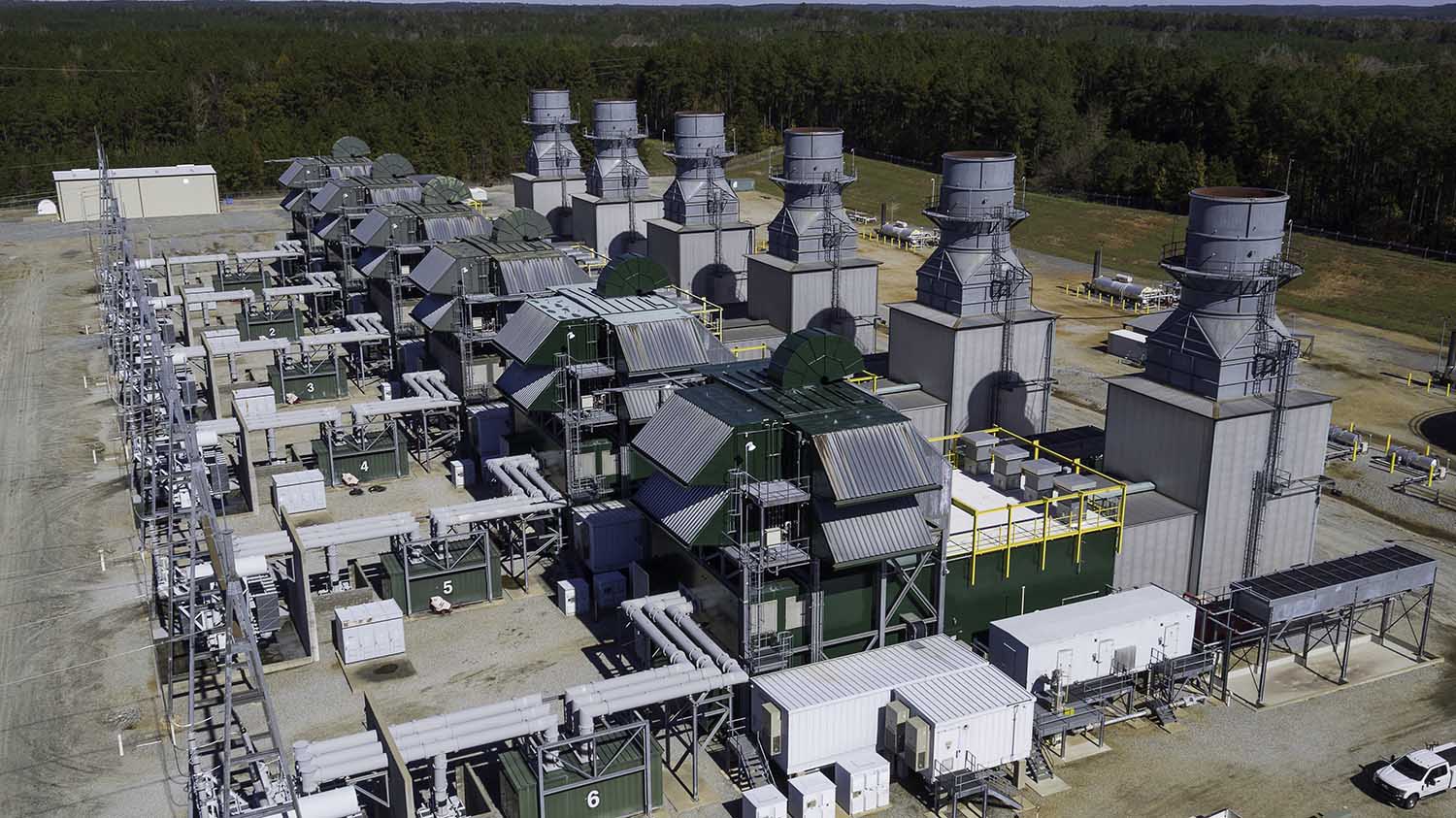
Energy Sector Roofing.
Energy Sector Roofing support in New Orleans, LA, with documented inspections, written scopes, and practical roof planning for commercial properties.
What this roof work solves
Energy Sector Roofing in New Orleans should begin with a documented roof walk. The first job is to identify active water entry, drainage problems, membrane condition, edge details, rooftop equipment conflicts, and weather exposure before a price or schedule is discussed.
For commercial owners, the useful answer is rarely a one-line recommendation. The roof file should explain the work area, the reason for the scope, the access constraints, and the next maintenance decision.
How the scope is built
The scope is matched to operating requirements, building use, roof age, visible defects, and the cost difference between immediate repair and longer-range planning. When repair is enough, the work stays focused. When replacement or recover planning is the responsible move, the reasoning is written plainly.
Each finished project should leave behind before-and-after photos, service notes, and follow-up items so the owner keeps a record for future inspections, budgeting, and vendor conversations.
Louisiana is the second-largest oil and gas producing state in the United States and the country's leading natural gas processing state — and the administrative, operations, and technical office buildings that support the Gulf South energy corridor run from downtown New Orleans CBD to the refinery and petrochemical complexes along the Mississippi River corridor. We scope energy-sector roofing with the hot-work protocols, chemical exposure requirements, and hurricane wind-uplift specifications that oil, gas, and utility facilities demand.
Entergy New Orleans and Entergy Louisiana together provide electric service across the Greater New Orleans metro and a substantial portion of the state, with their operations and administrative facilities anchored in the CBD and in utility infrastructure buildings scattered across the Orleans, Jefferson, and St. Tammany parish service territory. Cleco Power, headquartered in Pineville with significant operations in the New Orleans market, operates generating stations and substation buildings that carry industrial roofing requirements distinct from standard commercial construction. Shell's Norco Manufacturing Complex in St. Charles Parish — one of the largest integrated refinery and chemical production sites on the Gulf Coast — maintains a campus of operations, maintenance, and administrative buildings spanning multiple square miles of the River Road corridor.
Marathon Petroleum's Garyville refinery in St. John the Baptist Parish is the largest crude oil refinery in the United States by throughput capacity, processing more than 550,000 barrels per day from a campus of refinery processing units, tank farms, maintenance buildings, and administrative facilities along the east bank of the Mississippi River. The administrative and operations buildings supporting Garyville and the River Road refinery corridor represent a significant commercial roofing portfolio in the Greater New Orleans commuter zone — Metairie and Kenner resident populations include a substantial number of people who work in the Norco-to-Garyville refinery corridor.
Energy sector roofing in this corridor requires hot-work permit discipline that is categorically stricter than standard commercial hot-work protocols, chemical exhaust flashing specifications for operational buildings adjacent to process units, and hurricane wind-uplift engineering for the open-terrain river corridor exposure that the refinery campuses occupy. These requirements define the scope of every energy-sector roofing project we take, and our project managers maintain familiarity with the specific protocols at Entergy, Shell Norco, and the Marathon Garyville contractor management programs.
Hot-Work Permitting in Refinery and Utility Environments
Hot-work permits at refinery and petrochemical sites are categorically different from standard commercial construction hot-work permits. A permit for torch work or heat welding at Shell Norco or Marathon Garyville requires gas-testing certification of the work area by the facility's safety team immediately before the hot work begins, written authorization from the facility's safety officer for the specific task and location, and a fire watch posted by the facility — not by our crew. We do not begin any torch, welding, or grinding operation on a refinery or petrochemical campus without the facility's hot-work permit in hand for that specific day, location, and task.
For energy-sector roofing projects where hot-work elimination is feasible — TPO or PVC heat-welded seams on a roof section away from active process areas — we present the no-torch option as the preferred specification. Heat-welded single-ply seams eliminate open flame from the work area entirely. Where hot work is required — torch-applied modified bitumen, weld-on metal edge metal — we follow the facility's full hot-work protocol without abbreviation. Modified bitumen torch work on a building within the fence line of an active petrochemical complex is a coordinated event, not a routine roofing task.
Chemical Exhaust and Process-Adjacent Penetration Details
Operations and maintenance buildings in the Shell Norco complex and along the Marathon Garyville campus perimeter carry exhaust penetrations from process-adjacent environments where the exhaust chemistry — hydrocarbons, hydrogen sulfide concentrations, sulfur compound exhausts from process units — can degrade standard TPO flashing at temperature and chemical combinations outside the membrane's rated range. We identify each exhaust penetration type in the pre-construction inspection and specify the appropriate flashing material — PVC, silicone, or EPDM — for penetrations where the process exhaust chemistry exceeds standard TPO performance.
Entergy's substation and operations buildings across the Greater New Orleans service territory carry transformer exhaust and electrical switchgear ventilation penetrations that require non-conductive flashing materials at electrical infrastructure proximity points. We coordinate with Entergy's facilities engineering team on penetration access and electrical clearance requirements before any penetration work on buildings housing active switchgear or transformer banks. Electrical clearance is documented in the project file.
Hurricane Wind-Uplift in the River Road and Industrial Corridor Exposure
The Shell Norco complex and Marathon Garyville refinery both sit in the River Road corridor along the east and west banks of the Mississippi River — an open-terrain exposure environment where ASCE 7 Exposure C and in some locations Exposure D designations apply based on proximity to the river's open fetch. Industrial buildings in this corridor experienced significant roof damage in Hurricane Ida's . John the Baptist parishes — a Category 4 landfall that produced peak gust winds well above the design-wind speeds assumed in many pre-2005 industrial roof specifications in the corridor.
Entergy New Orleans's and Entergy Louisiana's substations and operations buildings in Orleans, Jefferson, and St. Tammany parishes represent essential facilities — electrical infrastructure that sustains the region's power grid through storm events — and carry Risk Category III or IV designations under ASCE 7 for essential utility infrastructure. We verify occupancy and risk category classification with Entergy's facilities management team before specifying wind-uplift design. Essential utility buildings in Louisiana's hurricane-prone-region designation require full documentation of the wind-uplift calculation, attachment method, and FM-rated edge metal specification in the project closeout file.
Can you complete a hot-work roofing project within a refinery fence line at Shell Norco or Marathon Garyville?
Questions to settle early
Where is the risk?
Locate leaks, wet-insulation indicators, open seams, weak flashing, and drainage restrictions across the roof.
What can wait?
Separate immediate work from maintenance items that can be tracked for the next service window.
What should be funded?
Build a practical recommendation for repair, coating, recover, or replacement planning.
Need help with energy sector roofing?
Send the building address, known roof age, access notes, and what changed. We will respond with the right next step.