
Bank & Financial Building Roofing.
Bank & Financial Building Roofing support in New Orleans, LA, with documented inspections, written scopes, and practical roof planning for commercial properties.
What this roof work solves
Bank & Financial Building Roofing in New Orleans should begin with a documented roof walk. The first job is to identify active water entry, drainage problems, membrane condition, edge details, rooftop equipment conflicts, and weather exposure before a price or schedule is discussed.
For commercial owners, the useful answer is rarely a one-line recommendation. The roof file should explain the work area, the reason for the scope, the access constraints, and the next maintenance decision.
How the scope is built
The scope is geared to building use, building use, roof age, visible defects, and the cost difference between immediate repair and longer-range planning. When repair is enough, the work stays focused. When replacement or recover planning is the responsible move, the reasoning is written plainly.
Each finished project should leave behind before-and-after photos, service notes, and follow-up items so the owner keeps a record for future inspections, budgeting, and vendor conversations.
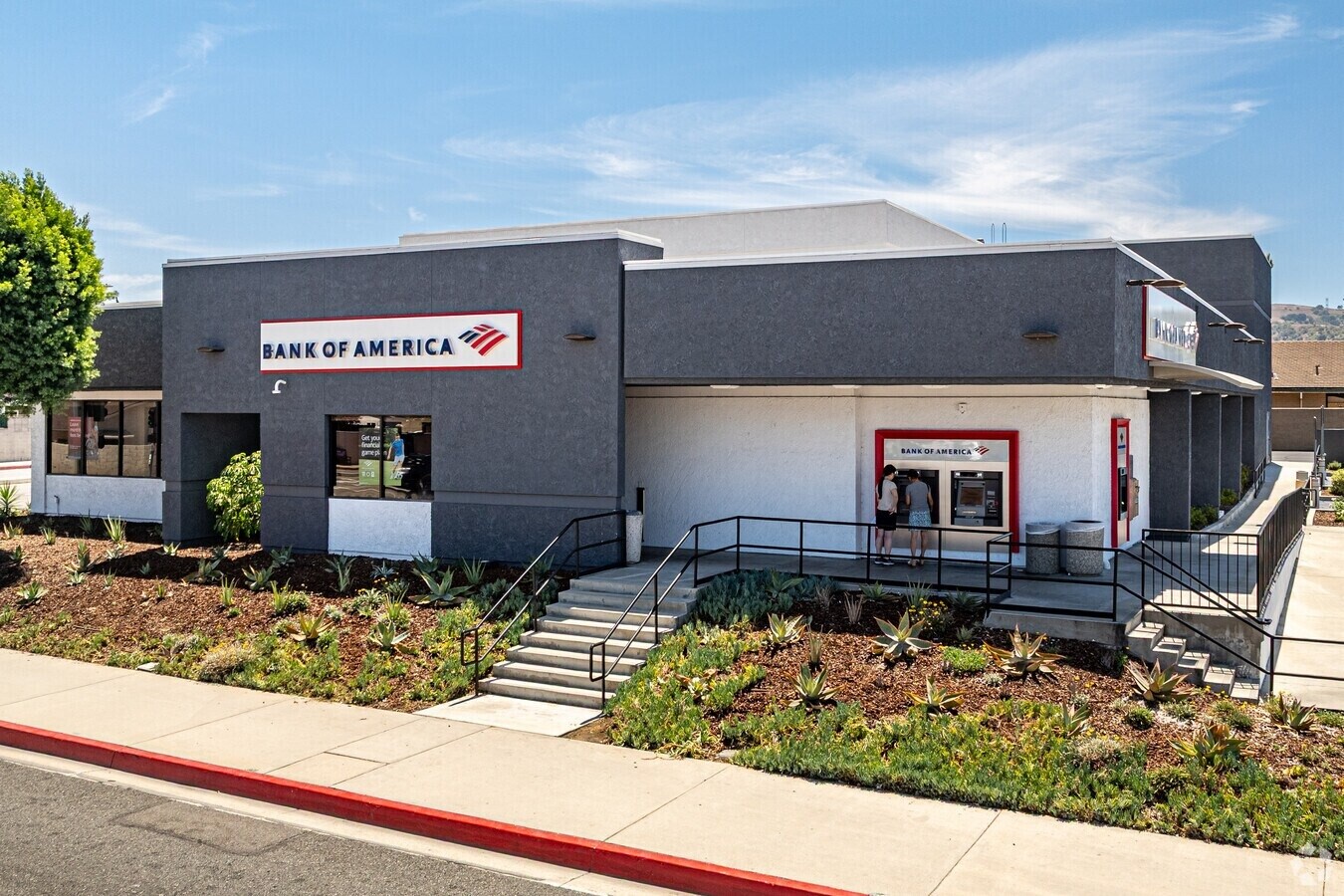
A bank branch has one of the smallest roof footprints in commercial real estate and one of the lowest tolerances for a leak. The square footage is modest, but everything under it is sensitive — a vault, a server or network room, ATM electronics, and a customer floor where a single ceiling stain undercuts the impression the branch is built to project. The roof is also highly visible from the street and the drive-through lane, so the work has to be clean and the building has to look maintained the whole time we're on it. We approach a financial building as a precision job, not a volume job.
The footprint hides more penetrations than its size suggests. A drive-through canopy ties back into the building, an ATM kiosk has its own enclosure and conduit, a standby generator needs a transfer-switch room with rooftop exhaust, and the server room runs precision cooling with its own condensers and refrigerant lines. Each of those is a discrete flashing detail, and on a roof this small they sit close together. We map and document every one before pricing the work.
The drive-through canopy is the usual culprit
If a bank branch leaks, the canopy-to-building joint is the first place we look. That connection takes constant thermal cycling, overspray from the drive-through lane, and differential movement between a light canopy structure and the heavier main building — and standard retail flashing details don't hold up to that combination over the long run. We treat the canopy transition as its own scope item, evaluated and detailed for the movement it actually sees, rather than assuming a new field membrane will fix a leak that originates at the canopy. Replacing the main roof and ignoring that joint is how these leaks come back.
Where the financial buildings sit in the metro
The downtown financial core runs along Poydras Street and through the Central Business District, where the corporate banking offices and headquarters buildings have larger and sometimes multi-level roofs with rooftop mechanical penthouses. Retail branches spread along the high-traffic suburban corridors — Veterans Memorial Boulevard and Clearview through Metairie, St. Charles Avenue and the Uptown commercial strips, and the Esplanade and Carrollton corridors in the city — usually as small single-story buildings with a drive-through and a compact flat roof. Community banks and credit unions hold individual buildings across Jefferson and the surrounding parishes.
Those two formats need different scopes. A Poydras Street office building roof involves penthouse tie-ins and larger drainage; a suburban branch on Veterans is mostly about a tight, well-detailed flat roof and a sound canopy connection. We read the building type before we write the spec.
Membrane, drainage, and a hard-rain climate
For a typical branch flat roof we specify a 60-mil TPO or PVC system, usually fully adhered on the small footprint where an adhered membrane gives the cleanest detailing around the dense cluster of penetrations. We log every curb's height and bring undersized ones up to the manufacturer's minimum flashing height so the warranty holds. New Orleans rain regularly exceeds two to three inches an hour in tropical weather, so even a small roof needs its drains and scuppers clear and sized correctly — a single clogged drain on a compact roof builds a water load fast. Where the original design left no overflow path, we add one.
Security access and business-hours scheduling
Security shapes a bank roofing job more than almost any other property type. Contractor badging, escorts for vault-adjacent areas, and camera documentation of rooftop activity are standard, and we build the credentialing timeline into the bid schedule instead of treating it as a surprise after the contract is signed. We identify vault and secure-room locations from the drawings before mobilizing, sequence work over those zones into approved windows, and confirm with the security team that no active vault operation is affected by vibration or temporary access changes.
Branches run business hours, often Monday through Saturday, with customers and staff below. We concentrate active tear-off and installation into off-hours and weekends, confirm daily dry-in before the branch opens each morning, and hold noise down during customer-service hours. Institutions that own several locations under a corporate real estate group get standardized scoping, documentation, and pricing across the portfolio with a single project-management contact for their facilities team.
- Full penetration map of canopy, ATM, generator exhaust, and server-room cooling before pricing
- Drive-through canopy joint detailed as a separate scope item for the movement it actually sees
- Adhered membrane for clean detailing on a tight, penetration-dense footprint
- Drains, scuppers, and overflow checked and sized for tropical rainfall intensity
- Security credentialing and vault-zone sequencing built into the schedule up front
How do you schedule around bank operating hours?
Questions to settle early
Where is the risk?
Locate leaks, wet-insulation indicators, open seams, weak flashing, and drainage restrictions across the roof.
What can wait?
Separate immediate work from maintenance items that can be tracked for the next service window.
What should be funded?
Build a practical recommendation for repair, coating, recover, or replacement planning.
Need help with bank & financial building roofing?
Send the building address, known roof age, access notes, and what changed. We will respond with the right next step.