
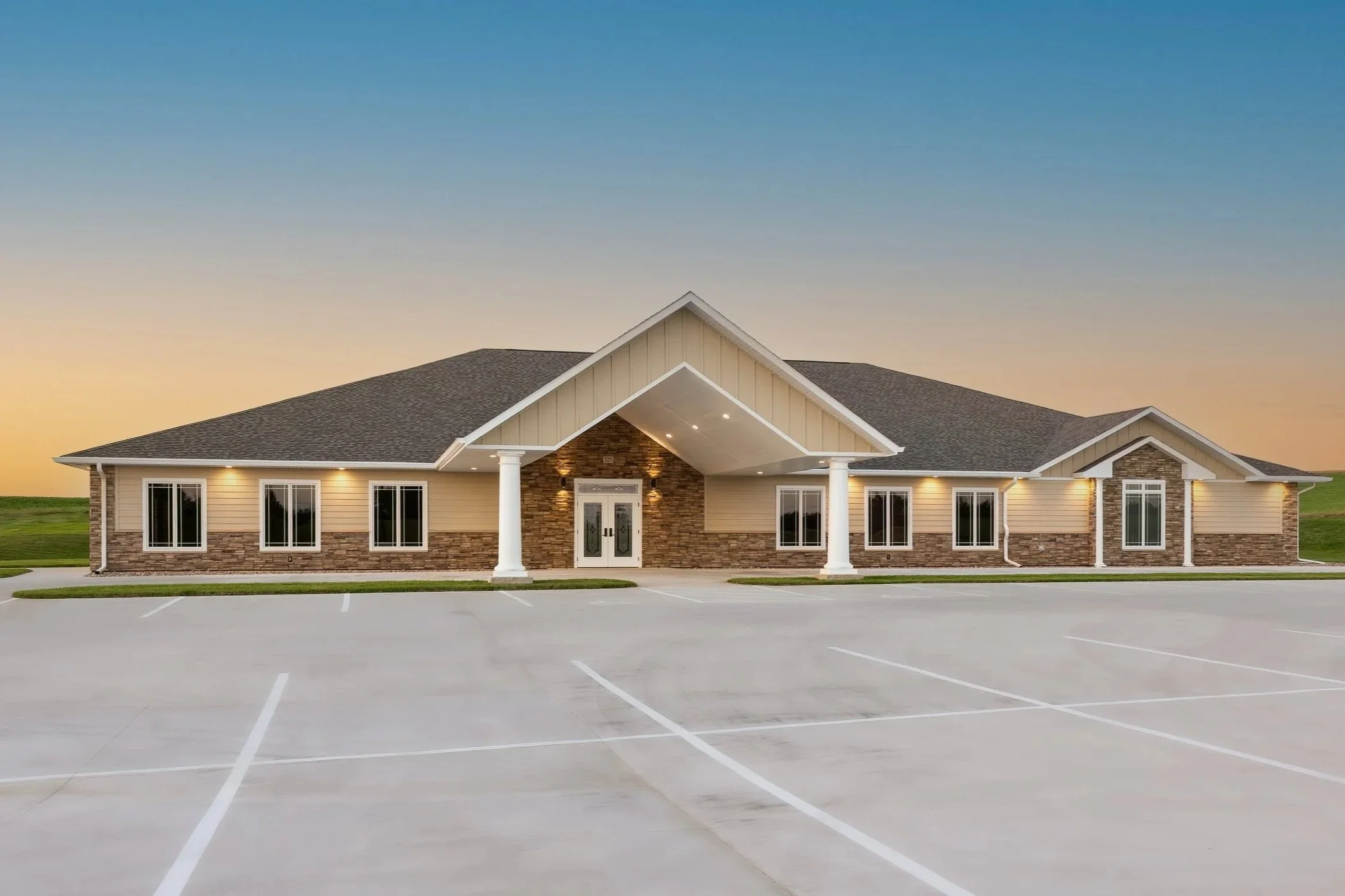
Funeral Home & Mortuary Roofing.
Funeral Home & Mortuary Roofing support in New Orleans, LA, with documented inspections, written scopes, and practical roof planning for commercial properties.
What this roof work solves
Funeral Home & Mortuary Roofing in New Orleans should begin with a documented roof walk. The first job is to identify active water entry, drainage problems, membrane condition, edge details, rooftop equipment conflicts, and weather exposure before a price or schedule is discussed.
For commercial owners, the useful answer is rarely a one-line recommendation. The roof file should explain the work area, the reason for the scope, the access constraints, and the next maintenance decision.
How the scope is built
The scope is geared to building use, building use, roof age, visible defects, and the cost difference between immediate repair and longer-range planning. When repair is enough, the work stays focused. When replacement or recover planning is the responsible move, the reasoning is written plainly.
Each finished project should leave behind before-and-after photos, service notes, and follow-up items so the owner keeps a record for future inspections, budgeting, and vendor conversations.
A roof you should never hear, see, or notice during a service
A funeral home is the rare commercial building where the most important quality of a roofing project is that no one attending notices it is happening. Families arrive on the hardest days of their lives, and the building has to feel calm, dignified, and intact. Visitations run into the evening seven days a week, services can be scheduled on short notice, and the preparation areas operate on a timing no contractor controls. That makes funeral home roofing an occupied-building discipline closer to working on a hospital or a place of worship than a strip retail roof, and we approach it that way: quietly, on the facility's schedule, and with the building's appearance and atmosphere protected at every step.
New Orleans has a deep, distinctive funeral tradition, from the historic firms in the older neighborhoods near the avenues and the city's above-ground cemeteries to family-owned chapels in Mid-City, Gentilly, and Algiers and regional and corporate-managed homes out in Metairie and on the West Bank. Many of these are long-standing buildings with chapels, porte-cocheres, and additions accumulated over decades, and the roofs reflect that history. We work across all of them with the discretion the setting demands.
The chapel roof and the prep-room exhaust are the two technical problems
Funeral home roofs usually break into a few distinct areas. Chapel and visitation rooms are frequently clear-span spaces of forty to sixty feet, much like a small sanctuary, where the long span drives the fastening pattern and the wind-uplift design. We evaluate the deck type and span and specify the attachment to the real structure rather than a generic pattern, with perimeter and corner enhancement for the region's wind exposure. Older homes in the established districts often have built-up roofing over wood or concrete decks where a serviceable-looking surface hides saturated insulation underneath, so we core and run a moisture survey before any recover decision rather than trapping wet material under a new membrane.
The preparation and embalming area is the other technical concern. These rooms run under negative pressure with rooftop exhaust that has to keep operating continuously to maintain a safe, compliant working environment, and that exhaust stack cannot simply be shut off for roofing convenience. We locate it before mobilization, plan the flashing around it as a discrete scope item with the director's sign-off, and keep the exhaust running throughout any work near it. It is never capped or blocked for our access.
Appearance is part of the specification on this building type. We stage materials and equipment out of sight of arriving families wherever the site allows, keep the entrance, porte-cochere, and chapel approaches clear and clean during service hours, and time the loud phases of work to avoid scheduled services and visitations entirely. The reflective white membranes we typically use also serve the building well here, cutting the rooftop heat load in our climate so the chapel and visitation HVAC are not fighting a superheated roof through a Gulf summer afternoon.
Coordinating around the service calendar
We schedule funeral home work directly against the director's weekly calendar. We ask for advance notice of services and visitations, plan the noisy and disruptive phases for the open windows between them, and confirm each section is dried in before the facility's evening hours begin. We do not occupy the primary entry, the chapel, or the family areas during active services. The covered entry canopy and porte-cochere get specific attention, since the canopy-to-building transition and its drainage are a frequent source of chronic leaks on older homes and are treated as their own scope item. And because this is hurricane country, every open section is dried in the same day, the roof and rooftop equipment are anchored for the region's wind exposure, and we never leave a deck over occupied space exposed overnight.
Quiet maintenance keeps the building ready, and storm-ready
A funeral home cannot afford to discover a roof problem during a service, so the goal is to catch issues long before they reach the ceiling of a chapel or a visitation room. A scheduled maintenance and inspection program lets us clear drains and gutters ahead of the rainy season, reseal aging penetrations and the porte-cochere flashing, and document the roof's condition over time, all on visits planned around the calendar so the work is never visible to families. On older homes with built-up or aging membrane, that steady attention often stretches a serviceable roof several more years and turns the eventual replacement into a planned project rather than an emergency.
Storm exposure makes that readiness more than routine. When a named system threatens the coast, loose equipment, weak edge metal, and clogged drains are exactly what fail first, and a funeral home has to be back in service quickly after a storm passes because grieving cannot wait for repairs. We help directors pre-stage for the season, respond after a storm to dry in any breach quickly, and document damage for insurance so the building can reopen with its appearance and dignity intact. Handling that quietly, without drawing attention to the work, is the part of the job that matters most on this building type.
How do you keep roof work from disrupting our services and visitations?
We schedule against your weekly calendar, plan the loud phases for the windows between services, and keep the entrance, porte-cochere, and chapel areas clear and clean during service hours. Each section is dried in before evening visitation begins, and we stay out of the primary entry and family areas during active services.
Questions to settle early
Where is the risk?
Locate leaks, wet-insulation indicators, open seams, weak flashing, and drainage restrictions across the roof.
What can wait?
Separate immediate work from maintenance items that can be tracked for the next service window.
What should be funded?
Build a practical recommendation for repair, coating, recover, or replacement planning.
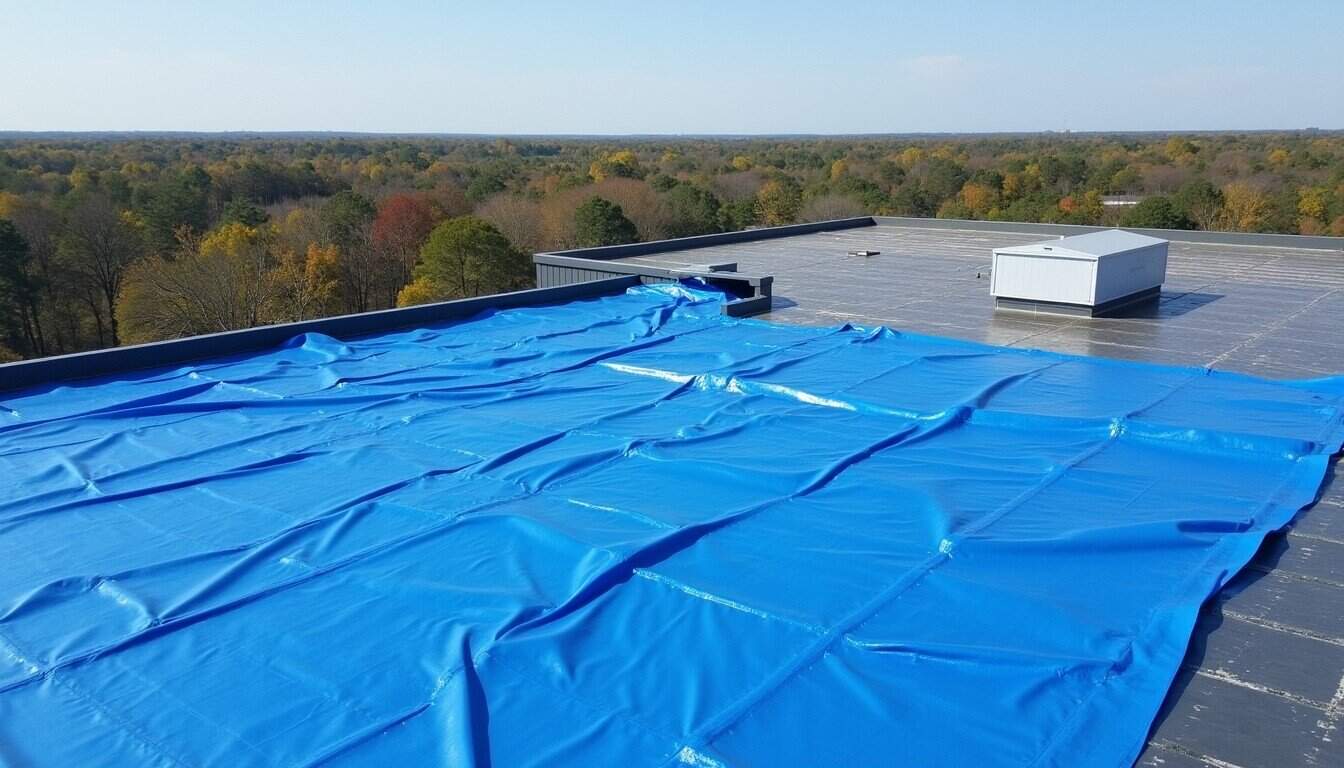
Need help with funeral home & mortuary roofing?
Send the building address, known roof age, access notes, and what changed. We will respond with the right next step.