
Fire Damage Roof Repair.
Fire Damage Roof Repair support in New Orleans, LA, with documented inspections, written scopes, and practical roof planning for commercial properties.
What this roof work solves
Fire Damage Roof Repair in New Orleans should begin with a documented roof walk. The first job is to identify active water entry, drainage problems, membrane condition, edge details, rooftop equipment conflicts, and weather exposure before a price or schedule is discussed.
For commercial owners, the useful answer is rarely a one-line recommendation. The roof file should explain the work area, the reason for the scope, the access constraints, and the next maintenance decision.
How the scope is built
The scope is geared to damage response, building use, roof age, visible defects, and the cost difference between immediate repair and longer-range planning. When repair is enough, the work stays focused. When replacement or recover planning is the responsible move, the reasoning is written plainly.
Each finished project should leave behind before-and-after photos, service notes, and follow-up items so the owner keeps a record for future inspections, budgeting, and vendor conversations.
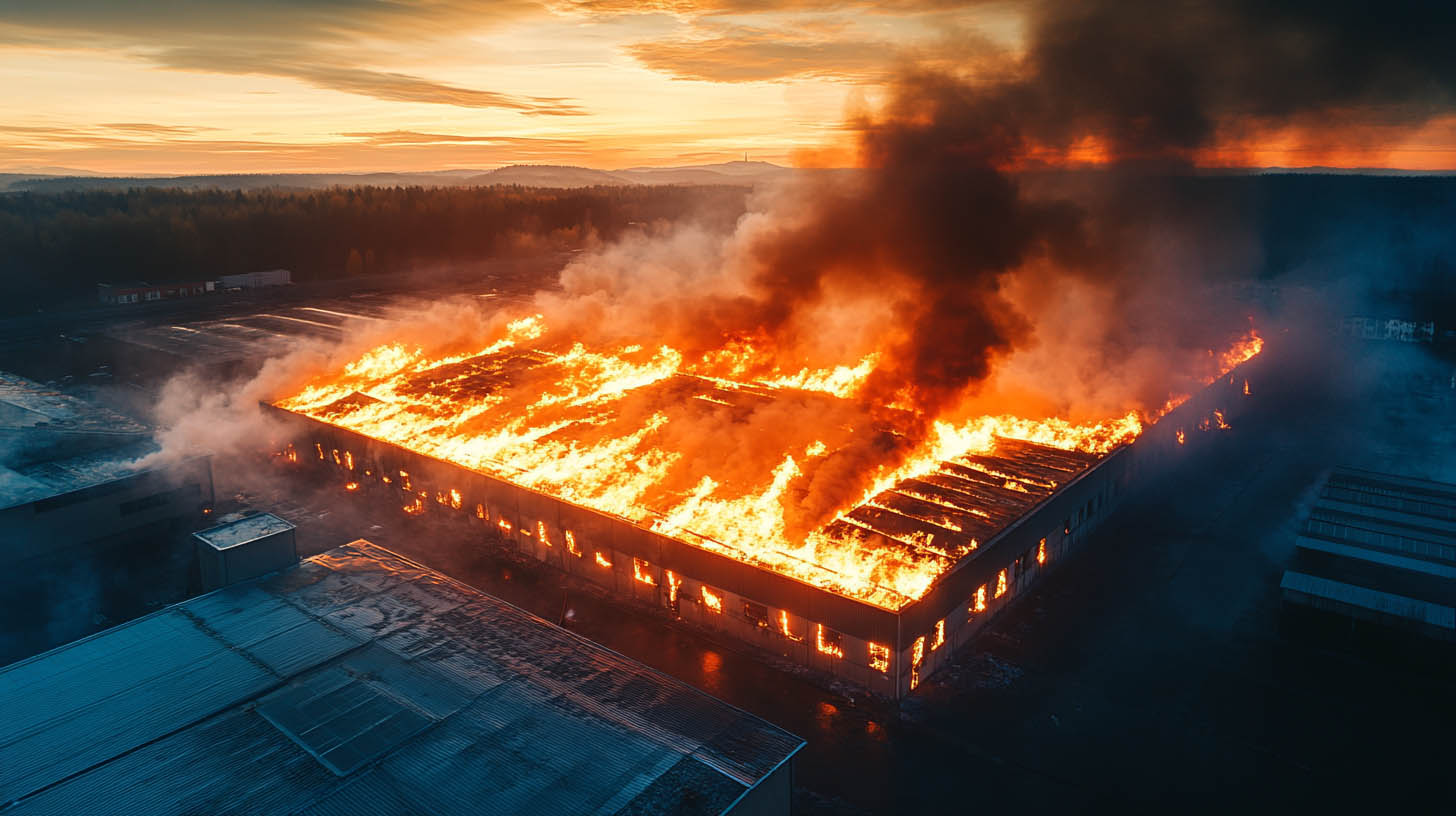
Fire damage on a commercial flat roof in New Orleans rarely stays contained to the visible burn area. Heat-compromised membrane in the adjacent zones, smoke-deposited residue on unburned sections, and water damage from suppression operations all extend the repair scope beyond what the fire's footprint suggests. We assess the full extent before writing a scope.
Commercial building fires in New Orleans produce a specific roof damage pattern shaped by the building stock and the subtropical climate. The French Quarter's historic hospitality buildings, the Warehouse District's converted commercial loft structures, and the industrial corridor along the New Orleans East riverfront carry older roofing assemblies — modified bitumen, BUR, and early single-ply systems — that respond to fire exposure differently than modern membranes on post-Katrina commercial construction. Heat from a building fire below the roof deck can compromise membrane adhesion, distort metal deck, and in some cases penetrate through the assembly before the visible surface shows direct burn evidence.
Fire suppression operations add another damage dimension. The water volume applied to a commercial fire by New Orleans Fire Department engine companies in active structural firefighting typically exceeds the roof drain system's capacity — producing water infiltration through any pre-existing membrane compromise and through the thermal stress cracks that high heat creates at seam edges adjacent to the fire zone. That water sits in the insulation layer in New Orleans's subtropical humidity and does not leave on its own.
We assess fire-damaged commercial roofs by documenting the visible burn zone, the heat-affected adjacent zone, the suppression water infiltration pattern, and the smoke deposition footprint separately. Each zone has a different scope and, in many cases, different insurance attribution. We produce the documentation in the format Louisiana commercial property carriers require — and we do it before scope decisions are made, not after temporary repairs have obscured the evidence.
Fire Damage Zones on Commercial Flat Roofs
The burn zone is the area of direct flame contact and thermal destruction — membrane, insulation, and in severe fires, the deck below. This zone requires full replacement of all affected components, including the deck where flame or heat has compromised structural integrity. On pre-Katrina commercial buildings with wood-nailer assemblies or older light-gauge metal deck, we inspect the deck from above and below before specifying any replacement system over a fire-affected area.
The heat-affected zone surrounds the burn zone and is defined by the area where radiant heat compromised membrane adhesion, thermally stressed seam lap adhesive, or distorted metal flashings without producing direct combustion. This zone is often the source of the leaks that appear weeks or months after the fire event — seam adhesive that was degraded by heat releases under the first heavy rain. We probe all lap seams in the heat-affected zone and pull cores where insulation damage beneath the membrane surface is suspected.
The suppression water zone extends across any area where fire suppression runoff pooled on the roof surface — which on a commercial flat roof can include sections far removed from the burn and heat-affected zones if drain capacity was exceeded during suppression operations. We document ponding evidence and pull cores in the suppression water zone to confirm whether insulation saturation occurred. In New Orleans's subtropical climate, insulation that absorbed suppression water during a fire event needs assessment and replacement before new membrane is installed over it.
Documentation for Louisiana Commercial Property Fire Claims
Commercial property fire claims in Louisiana involve the Louisiana Department of Insurance's regulatory framework alongside the specific policy provisions of the building's carrier — Citizens, State Farm, Allstate, USAA, or specialty commercial carrier. Fire claims for commercial buildings typically require more detailed documentation than wind claims because the damage zones have different scope requirements and the pre-existing versus fire-caused damage distinction matters for depreciation and replacement cost calculations.
Our fire damage scope package includes: a zone diagram distinguishing the burn zone, heat-affected zone, and suppression water zone; a photo log with GPS-tagged images at each damage category; core sample results from the suppression water zone and the outer edge of the heat-affected zone; and a written repair-vs-replace recommendation zone by zone. We include the New Orleans Fire Department incident report number where available and the fire date in the scope header.
We do not act as public adjusters or represent insureds. We produce the technical roof scope documentation that the people managing your claim can use. The coverage determination and the settlement process are between you and your carrier.
Sequencing Fire Damage Repairs in New Orleans
Fire damage repair on a commercial building in New Orleans requires coordination between the roof repair scope, the structural engineer's assessment of the deck and building envelope, and the general contractor managing the broader fire damage restoration. We work within that coordination framework — not ahead of it. Our scope addresses the roof system specifically; structural decisions about the deck and building structure are made by the licensed structural engineer of record.
Questions to settle early
Where is the risk?
Locate leaks, wet-insulation indicators, open seams, weak flashing, and drainage restrictions across the roof.
What can wait?
Separate immediate work from maintenance items that can be tracked for the next service window.
What should be funded?
Build a practical recommendation for repair, coating, recover, or replacement planning.
Need help with fire damage roof repair?
Send the building address, known roof age, access notes, and what changed. We will respond with the right next step.