
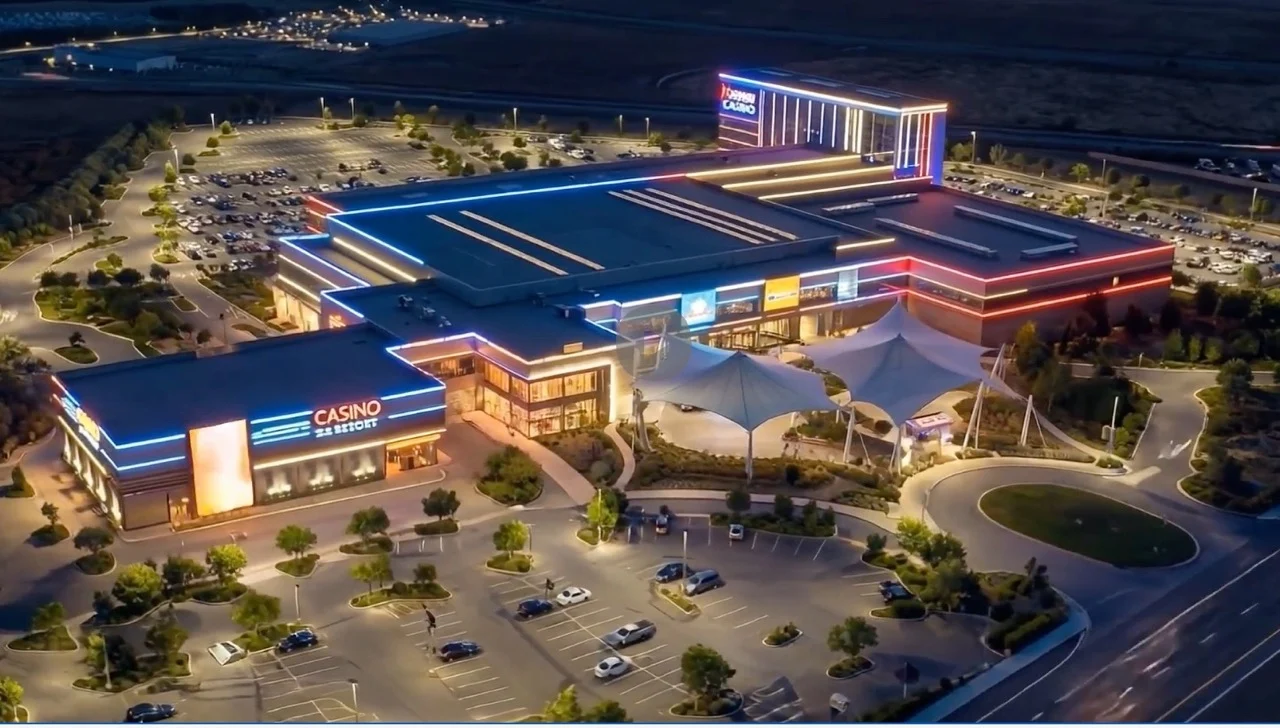
Casino & Entertainment Complex Roofing.
Casino & Entertainment Complex Roofing support in New Orleans, LA, with documented inspections, written scopes, and practical roof planning for commercial properties.
What this roof work solves
Casino & Entertainment Complex Roofing in New Orleans should begin with a documented roof walk. The first job is to identify active water entry, drainage problems, membrane condition, edge details, rooftop equipment conflicts, and weather exposure before a price or schedule is discussed.
For commercial owners, the useful answer is rarely a one-line recommendation. The roof file should explain the work area, the reason for the scope, the access constraints, and the next maintenance decision.
How the scope is built
The scope is geared to building use, building use, roof age, visible defects, and the cost difference between immediate repair and longer-range planning. When repair is enough, the work stays focused. When replacement or recover planning is the responsible move, the reasoning is written plainly.
Each finished project should leave behind before-and-after photos, service notes, and follow-up items so the owner keeps a record for future inspections, budgeting, and vendor conversations.
New Orleans's commercial corridors include the CBD and Warehouse District, the Mid-City and Gentilly commercial belts, the Elmwood industrial park, and the significant port logistics and petrochemical industrial zone along the River. Casino and entertainment complexes in this market operate around the clock and require security-credentialed contractors who understand the badging lead time, access restriction protocols, and 24-hour operational scheduling requirements that govern every aspect of construction at a gaming facility.
Casino and entertainment complex roofing in New Orleans has a lead-time problem that surprises contractors who haven't worked on gaming properties before: the security credentialing process. Background checks for contractor crew members at gaming properties take 2-4 weeks under standard processing. Fast-track credentialing, where available, still takes 7-10 business days. A roofing contractor who submits a proposal without building credentialing lead time into the project schedule is planning a mobilization that can't happen on the proposed date. We start the credentialing process the day the contract is executed — not the week before mobilization.
The security access framework at gaming facilities in New Orleans is not designed for construction convenience. Contractor crew members must be individually badged, their access is logged at every entry and exit, and certain building zones — the cage, surveillance infrastructure, and count rooms — are permanently off-limits regardless of the roofing scope. Work areas are defined in the facility's security plan before construction begins, and the security director signs off on the construction access protocol before a single crew member arrives. We build the security access plan as a pre-construction deliverable — not a field problem to sort out on day one.
Casino roofing in New Orleans frequently involves multiple building types on a single campus: the main gaming floor, a hotel tower, an entertainment venue, a parking structure, and retail plaza connections. Each building type has different structural characteristics and different operational constraints. The gaming floor runs 24 hours. The hotel needs quiet hours. The entertainment venue has a programming calendar. The parking structure waterproofing has its own phasing requirements. Managing all of these simultaneously requires a campus-level project plan approved by the casino's facilities team before work begins on any individual building.
Casino & Entertainment Roofing — Operations Questions
Standard gaming property background checks and badge processing take 2-4 weeks. The exact timeline depends on the tribal gaming authority, state gaming control board, or compact jurisdiction that governs the specific property. Some properties have expedited processing available for short-duration contracts; most don't. We submit the full crew list for credentialing within 48 hours of contract execution and confirm processing timelines with the casino's security office before publishing a mobilization date. Mobilization dates are set based on confirmed badge availability — not on assumed processing speed.
Yes — but with specific constraints. The gaming floor HVAC cannot be shut down during work; all penetration-affecting work is coordinated with the mechanical team to keep climate control active throughout. No overhead work that creates a debris risk is done above the active gaming floor without a complete protective barrier between the work area and the occupied space below. All gaming floor overhead work is coordinated daily with the facilities manager and the gaming floor shift supervisor — not just the property owner.
A campus-level project plan is developed before work begins on any building. The plan sequences work across buildings based on operational constraints — typically starting with the parking structure (which can be phased while open), then support buildings, then the hotel (quiet hours), then the entertainment venue (around the programming calendar), then the gaming floor (coordinated daily). The casino's facilities director approves the campus plan before mobilization. A single project manager on our side is the point of contact for all campus coordination — not a different supervisor for each building.
Standard restricted zones include: the cage and cash handling areas, surveillance and security monitoring infrastructure, count rooms, and server/IT infrastructure supporting gaming systems. None of these zones are typically in scope for roofing work — they're interior spaces. The roof sections above these zones, however, require additional protocols: no core drilling or penetration work above restricted zones without explicit security director approval, and a documented access log for any crew member working above a restricted zone. We identify restricted zone roof sections during the pre-construction walkover and build the additional protocols into the phase plan.
Overnight roofing work above the active gaming floor requires written daily confirmation from the facilities director that the work area, temporary protection, and crew access routes have been reviewed and approved for that night's shift. Our crew chief contacts the facilities director by 10 PM to confirm conditions for the overnight work session and again at 6 AM to confirm closeout status before the morning shift. Nothing is left open or unsecured above the gaming floor when crew leave for the night.
Commercial roofing for casino & entertainment complex roofing in New Orleans, LA — specifications, scheduling, and project coordination for this building type.
New Orleans's warehouse roofing inventory is defined by two primary corridors. The Port of New Orleans complex — which handles nearly 60 million tons of cargo annually through its riverfront terminals and the associated Napoleon Avenue and Poland Avenue warehouse facilities — represents some of the largest and oldest commercial roofing in the metro. These buildings carry the full exposure load of the Mississippi River corridor: open-terrain ASCE 7 wind designations, near-constant humidity, and the added complexity of port operations that run around the clock every day of the year.
The Elmwood Industrial Park in Jefferson Parish is the second major warehouse corridor in the New Orleans metro. Elmwood's mid-1970s through 1990s industrial buildings house distribution operations, light manufacturing, and storage facilities across millions of square feet of flat-roof inventory. Most of these buildings have been reroofed at least once since Katrina, but the post-Katrina replacement wave from 2006 through 2012 produced a significant volume of warehouse roofing that was installed quickly and not always specified to the post-2005 Louisiana wind-uplift code amendments. Many of those systems are now hitting their first major failure cycle.
The New Orleans East warehouse and distribution corridor along Chef Menteur Highway and the I-10 East industrial zone represents a third major concentration — open-terrain Exposure C buildings that were disproportionately damaged in both Katrina and Ida. Reroofing in this corridor requires the most rigorous wind-uplift engineering of any warehouse zone in the metro.
Questions to settle early
Where is the risk?
Locate leaks, wet-insulation indicators, open seams, weak flashing, and drainage restrictions across the roof.
What can wait?
Separate immediate work from maintenance items that can be tracked for the next service window.
What should be funded?
Build a practical recommendation for repair, coating, recover, or replacement planning.
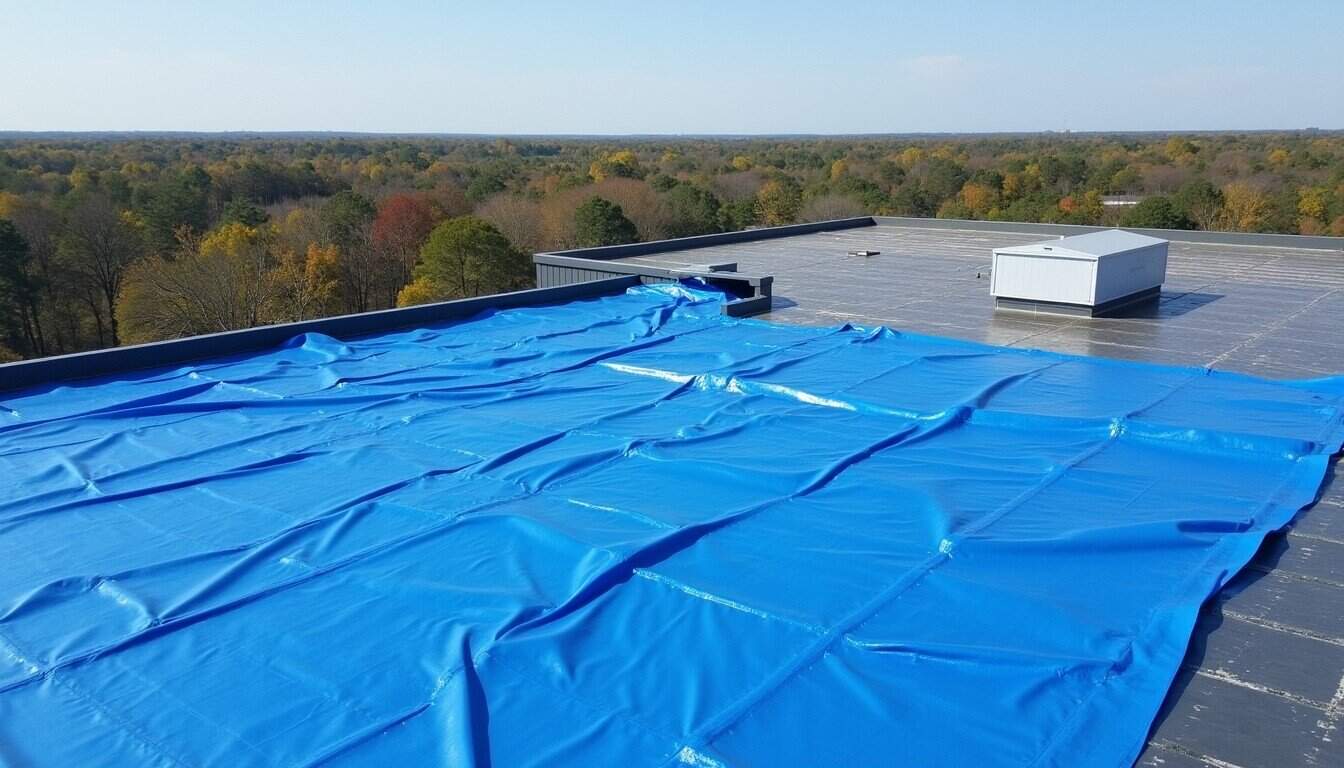
Need help with casino & entertainment complex roofing?
Send the building address, known roof age, access notes, and what changed. We will respond with the right next step.