
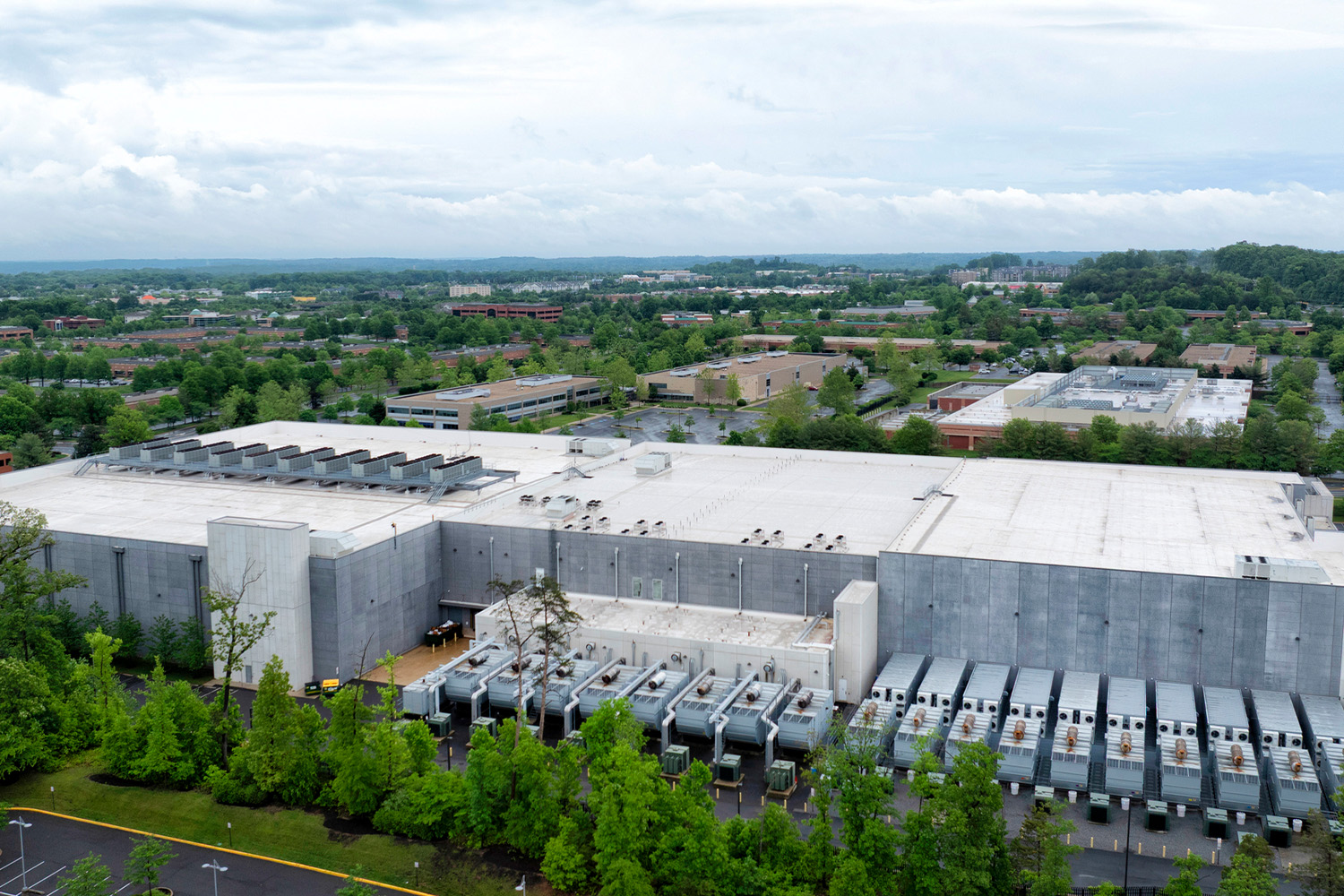
Data Center Roofing.
Data Center Roofing support in New Orleans, LA, with documented inspections, written scopes, and practical roof planning for commercial properties.
What this roof work solves
Data Center Roofing in New Orleans should begin with a documented roof walk. The first job is to identify active water entry, drainage problems, membrane condition, edge details, rooftop equipment conflicts, and weather exposure before a price or schedule is discussed.
For commercial owners, the useful answer is rarely a one-line recommendation. The roof file should explain the work area, the reason for the scope, the access constraints, and the next maintenance decision.
How the scope is built
The scope is matched to operating requirements, building use, roof age, visible defects, and the cost difference between immediate repair and longer-range planning. When repair is enough, the work stays focused. When replacement or recover planning is the responsible move, the reasoning is written plainly.
Each finished project should leave behind before-and-after photos, service notes, and follow-up items so the owner keeps a record for future inspections, budgeting, and vendor conversations.
New Orleans data centers operate in a climate that stacks humidity-driven moisture risk on top of hurricane wind-uplift risk — and they run at uptime standards that leave no room for a roofing contractor's penetration mistake. We build the sequencing, the cooling-system coordination, and the documentation around what data center facility managers actually require.
The New Orleans data center market is led by Venyu, a Baton Rouge-headquartered colocation operator with a significant New Orleans metro presence, and DXC Technology, which operates IT infrastructure facilities in the Gulf South corridor supporting federal, state, and commercial clients including Louisiana state government systems. These facilities run on uptime commitments that do not bend for roofing contractors, and they carry a second constraint that no inland data center faces: ASCE 7 hurricane-prone-region wind-uplift requirements for a Risk Category III or IV building in a Gulf Coast exposure environment.
Roofing on a data center in New Orleans has one absolute rule: you do not cause a cooling event. The precision air conditioning units, CRAC units, cooling towers, and free-cooling economizers that cover a data center roof are not rooftop accessories — they are mission-critical infrastructure whose failure cascades directly into rack shutdowns, SLA violations, and data integrity incidents. That rule is the same here as it is at a Tier IV facility anywhere in the country. What is different in New Orleans is that the same roof carrying that cooling infrastructure also has to perform through hurricane seasons that have produced Category 3 and Category 4 landfalls within 30 miles of the metro twice in the last 20 years.
Our project managers have worked with colocation facility managers and enterprise IT infrastructure directors on mission-critical roof projects across Orleans and Jefferson parishes. The documentation standards are more conservative than on a standard commercial building. The change-management coordination is more detailed. The wind-uplift specification is more stringent than most other US markets. We structure our pre-construction, production, and closeout processes around all three of those requirements simultaneously.
Penetration Inventory and Sealing for NOLA Data Center Roofs
Data center roofs carry more penetrations per square foot than almost any other building type: conduit bundles, fiber pathways, generator In New Orleans's subtropical climate, every one of those penetrations is also a potential moisture intrusion point in a market that averages more than 60 inches of annual rainfall. We inventory every penetration before production begins — photograph, measure, and log each one against a roof zone diagram that the facility manager approves before we start.
Fiber conduit penetrations receive a secondary water stop inside the conduit bore, because a standard pitch pan seals the annular gap around the conduit but not the bore itself. In high-humidity conditions where condensation forms inside conduit bundles, that bore seal is the line between a dry server room and a moisture incident. For New Orleans data center buildings that have accumulated penetration add-ons across multiple tenant generations — a common condition in mid-1990s commercial buildings repurposed for colocation — we do a full penetration audit before presenting a roof scope, because the actual penetration count often exceeds what the facility's records show.
Hurricane wind-uplift design for a data center building classified as Risk Category III carries edge metal and attachment specifications that go beyond what standard commercial work requires. We run the ASCE 7 wind-uplift calculation for the actual building and document the design in the project closeout file. The penetration manifest we deliver at closeout maps every penetration to the system it serves — a document that makes every future roofing contractor accountable to an accurate inventory rather than guessing what is inside a pitch pan after a storm event.
Cooling System Coordination in the Gulf Coast Climate
New Orleans's high-humidity environment means that cooling towers on data center roofs in this market operate at elevated load levels compared to drier climates. A colocation facility running 40-degree wet-bulb conditions from June through September has less cooling headroom available for planned shutdowns than an equivalent facility in a temperate market. We ask for access to the facility's maintenance schedule before finalizing the production sequence — if a cooling tower is scheduled for its annual inspection window, that is when we schedule the base flashing, supply line penetrations, and the roof area immediately around the tower.
Legionella prevention protocols at New Orleans data center cooling towers require that any drainage event be documented by the facility's water management team before a roofing crew works around the towers. This is the same protocol that hospital facility managers require and it is non-negotiable. CRAC unit supply and return penetrations are worked with temporary cover plates in place, sealed before end of shift, and documented with a photograph uploaded to the project log the same day. The protocol does not change based on weather conditions or production pressure.
Change Management and Hurricane-Season Continuity
Most enterprise and colocation data centers in the New Orleans market run a formal change management process for any work that could affect infrastructure. A roofing contractor on an active colocation facility is a change that gets logged, reviewed, and approved before production begins. We have been through this process at multiple facilities in the metro and we know what the change advisory board requires: scope description, risk assessment, rollback plan for penetration work, and the contact chain for after-hours events.
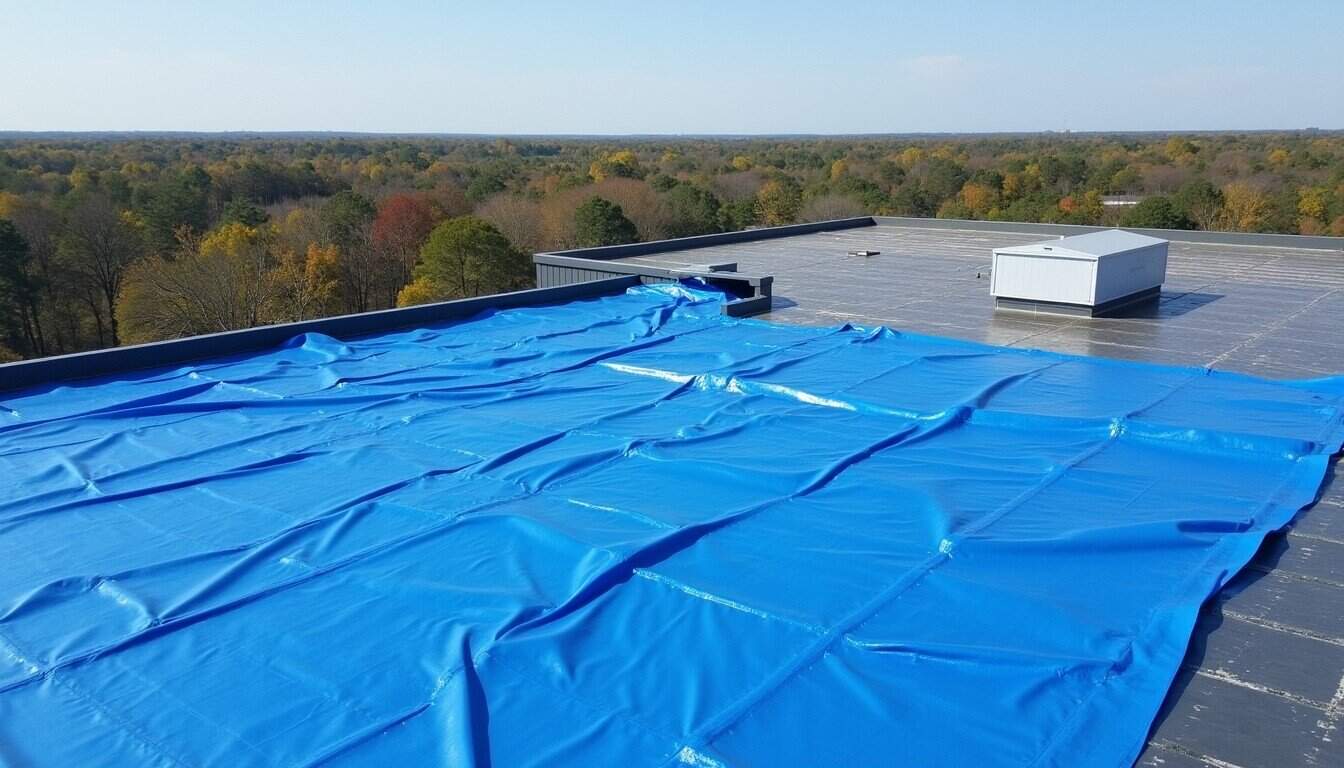
Hurricane season (June through November) adds a planning layer that inland data center markets do not face. When tropical weather is active in the Gulf, we maintain a standing dry-in protocol: no section of roof is left open overnight, and all open penetrations are temporarily sealed before crew departure regardless of the current weather forecast. We communicate this protocol explicitly to the facility manager in pre-construction so the production timeline accounts for weather windows during hurricane season months. Post-storm rapid assessment is available for all data center clients in our service area — documented condition survey, emergency dry-in if the building is taking water, and written scope distinguishing storm-event damage from pre-existing conditions.
Questions to settle early
Where is the risk?
Locate leaks, wet-insulation indicators, open seams, weak flashing, and drainage restrictions across the roof.
What can wait?
Separate immediate work from maintenance items that can be tracked for the next service window.
What should be funded?
Build a practical recommendation for repair, coating, recover, or replacement planning.
Need help with data center roofing?
Send the building address, known roof age, access notes, and what changed. We will respond with the right next step.