
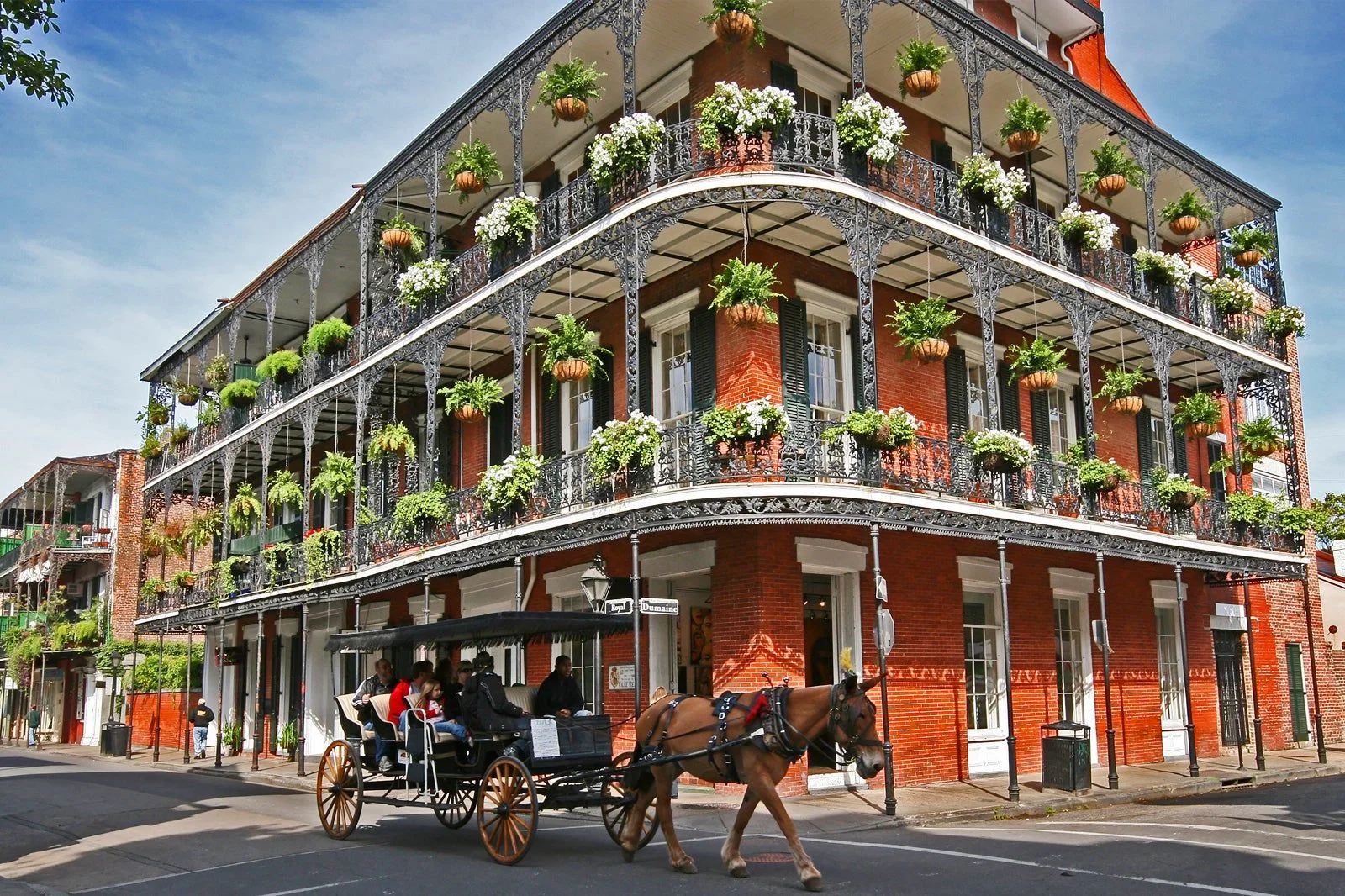
Commercial Roofing in French Quarter.
Commercial Roofers New Orleans provides commercial roof inspections, repairs, maintenance, storm response, and replacement planning in French Quarter, LA.
What this roof work solves
Commercial Roofing in French Quarter in New Orleans should begin with a documented roof walk. The first job is to identify active water entry, drainage problems, membrane condition, edge details, rooftop equipment conflicts, and weather exposure before a price or schedule is discussed.
For commercial owners, the useful answer is rarely a one-line recommendation. The roof file should explain the work area, the reason for the scope, the access constraints, and the next maintenance decision.
How the scope is built
French Quarter roof work is planned around site access, traffic, tenant schedules, drainage, and the weather exposure that shapes that corridor. When repair is enough, the work stays focused. When replacement or recover planning is the responsible move, the reasoning is written plainly.
Each finished project should leave behind before-and-after photos, service notes, and follow-up items so the owner keeps a record for future inspections, budgeting, and vendor conversations.
The Vieux Carré is the most constrained commercial roofing environment in the New Orleans metro. Buildings operate on active guest-occupancy schedules seven days a week, Vieux Carré Commission oversight applies to visible rooftop alterations, and the block-dense historic streetscape limits crane access to specific windows on specific streets. We scope and execute in this district regularly.
Commercial roofing in the French Quarter requires a separate planning process from every other district in New Orleans. The Vieux Carré Commission has jurisdiction over all exterior alterations visible from a public street or banquette — and in this district, nearly every rooftop HVAC unit, exhaust stack, and parapet cap is potentially visible from the surrounding streets and the elevated river corridor. Pre-construction review with the VCC is required for any replacement scope that changes the roofline profile, introduces new rooftop equipment, or alters the parapet height or finish. We initiate that review early in the scope process, not after a permit application is already in the queue.
The hospitality concentration along Bourbon Street, Royal Street, and Chartres Street — hotels, restaurants, bars, and short-term rental properties operating on 24-7 schedules — means that production windows in the French Quarter are narrower than anywhere else in the metro. Guest-occupancy buildings require off-hours scheduling for anything that generates noise, vibration, or odor during occupied periods. We build that constraint into the project schedule before contract signing, not after the first noise complaint arrives.
The VCC review process for commercial roofing work depends on the scope. Routine maintenance — resealing, flashing repair, drain clearing — typically falls below the threshold that triggers VCC review. Replacement work that changes the membrane color or introduces new rooftop equipment visible from the street requires a certificate of appropriateness from the VCC before the City of New Orleans building permit can be issued. The review timeline adds four to eight weeks to the pre-construction phase on projects that require it — we factor that into the project schedule from the first scope meeting.
Modified bitumen cap sheets in gray or tan are the standard VCC-compatible membrane specification for French Quarter commercial roofs. White TPO — the standard specification for energy compliance in Climate Zone 2A — is sometimes declined by the VCC on buildings where the rooftop is visible from adjacent elevated structures or riverfront public spaces. We work with the building owner to identify the appropriate membrane specification and prepare the VCC submission before the permit application is filed. Buildings that have received prior VCC approval for white membrane systems are documented in their permit history — we pull that history as part of scope development.
Access and Staging in the Historic Streetscape
Crane staging on Bourbon Street and Royal Street requires a street-use permit from the City of New Orleans Department of Public Works and coordination with the Downtown Development District. The permit process specifies staging dates, equipment dimensions, and traffic management requirements — any deviation requires a permit amendment. We handle the full permit package and have working relationships with the city offices that process French Quarter street-use applications.
Buildings on interior blocks — off the main Bourbon and Royal corridors — often have rear-courtyard access that allows material staging without a street-use permit. We evaluate courtyard access early in scope development, because courtyard staging eliminates the street-use permit timeline and reduces the disruption to adjacent businesses. Where courtyard access is available, we use it. Where it is not, we plan the street-use application at the same time as the VCC review, so both processes run in parallel rather than sequentially.
Hurricane-Season Protocol for Occupied Hospitality Buildings
French Quarter hotels and restaurants operate through hurricane season. The convention calendar, festival schedule, and the city's year-round tourism economy mean that no month is truly an off-season for occupied hospitality buildings in this district. Hurricane-season production in the French Quarter requires same-day dry-in discipline on every tear-off section — no section left open overnight when tropical development is active in the Gulf, regardless of the current forecast track.
Post-storm rapid assessment in the French Quarter is complicated by access: debris on narrow streets, downed canopy structures, and the volume of insurance-related traffic in the immediate post-storm period. We prioritize French Quarter buildings on our maintenance contracts for post-storm condition assessment and emergency dry-in within 72 hours of storm passage. Documentation is written to the format Louisiana Department of Insurance adjusters require for wind-damage claims.
Does every French Quarter roofing project require VCC review?
Not every project. Routine maintenance and repair work that does not change the roofline, membrane color, or introduce new visible equipment typically falls below the VCC review threshold. Full replacement scopes that alter the roof profile or membrane color visible from a public way require a certificate of appropriateness from the VCC before the Orleans Parish building permit can be issued. We assess the VCC requirement as part of scope development and file the review application early so it does not delay the production schedule.
Can you work around an active hotel or restaurant schedule?
Questions to settle early
Where is the risk?
Locate leaks, wet-insulation indicators, open seams, weak flashing, and drainage restrictions across the roof.
What can wait?
Separate immediate work from maintenance items that can be tracked for the next service window.
What should be funded?
Build a practical recommendation for repair, coating, recover, or replacement planning.
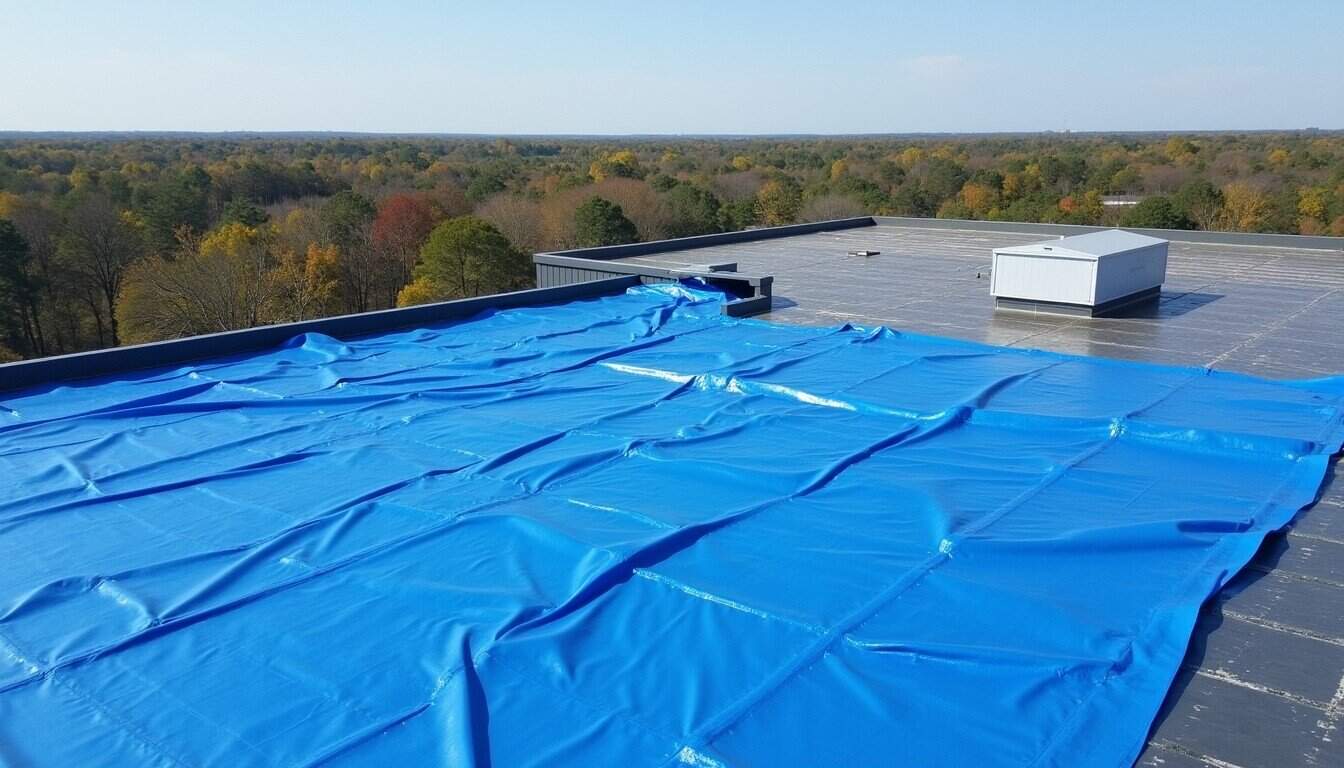
Need help with commercial roofing in french quarter?
Send the building address, known roof age, access notes, and what changed. We will respond with the right next step.