
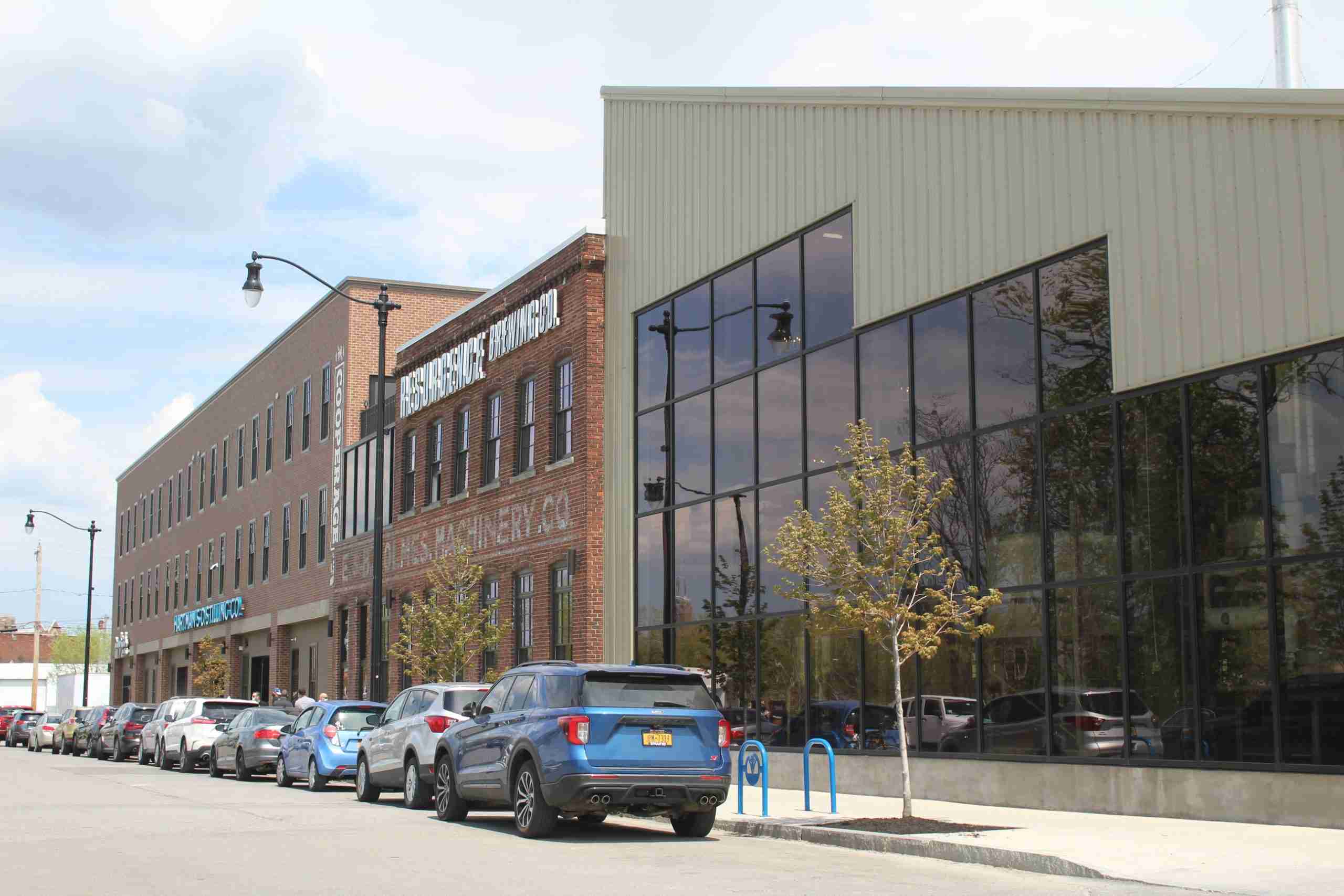
Brewery, Distillery & Food Production Roofing.
Brewery, Distillery & Food Production Roofing support in New Orleans, LA, with documented inspections, written scopes, and practical roof planning for commercial properties.
What this roof work solves
Brewery, Distillery & Food Production Roofing in New Orleans should begin with a documented roof walk. The first job is to identify active water entry, drainage problems, membrane condition, edge details, rooftop equipment conflicts, and weather exposure before a price or schedule is discussed.
For commercial owners, the useful answer is rarely a one-line recommendation. The roof file should explain the work area, the reason for the scope, the access constraints, and the next maintenance decision.
How the scope is built
The scope is geared to building use, building use, roof age, visible defects, and the cost difference between immediate repair and longer-range planning. When repair is enough, the work stays focused. When replacement or recover planning is the responsible move, the reasoning is written plainly.
Each finished project should leave behind before-and-after photos, service notes, and follow-up items so the owner keeps a record for future inspections, budgeting, and vendor conversations.
New Orleans's commercial corridors include the CBD and Warehouse District, the Mid-City and Gentilly commercial belts, the Elmwood industrial park, and the significant port logistics and petrochemical industrial zone along the River. Breweries, distilleries, and food and beverage production facilities in this market generate interior humidity and CO₂ loads that make vapor control design a critical specification decision — not an afterthought — and require roofing contractors who have worked in production environments and understand how to coordinate around active fermentation and distillation schedules.
Production scheduling drives every roofing access decision at a brewery, distillery, or food and beverage production facility in New Orleans. Active fermentation batches occupy fixed timelines — a 14-day primary fermentation on a 30-barrel batch can't be paused or moved because roofing work needs overhead access. We review the production calendar before we write the phasing plan. Brew days, tank-filling schedules, kegging runs, and spirit distillation cycles all appear on a whiteboard or production planning software that the head brewer controls. We work with that calendar, not against it.
Vibration from overhead roofing work — compressors, pneumatic fasteners, concrete cutting equipment — is a real concern near active fermentation vessels and barrel storage. Low-frequency vibration transmitted through the roof deck to the building structure can affect yeast behavior in active fermentation and disturb barrel aging. We plan the sequence of roof work zones to keep mechanical work away from active fermentation areas during critical fermentation phases, and we consult with the head brewer on timing before any heavy equipment work begins overhead.
Weekend production is common in New Orleans's craft beverage sector — brew days frequently fall on Saturdays and Sundays when taproom traffic is highest. Before assuming weekends are available work windows, we confirm the production schedule. Some of the most active work windows for brewery roofing are actually Tuesday through Thursday mornings, when taproom traffic is minimal and the prior weekend's batches have moved past the critical fermentation phase. Scheduling is a conversation with the brewmaster — not an assumption.
Brewery & Distillery Roofing — Scheduling Questions
We meet with the head brewer or production manager before mobilization and review the production calendar together. We identify which days and which sections of the facility are safe for overhead roofing work based on what's active below. Daily check-ins with the production team during construction confirm the next day's work plan is compatible with the production schedule. The brewmaster's calendar governs — we adjust our sequence to match it.
Overhead work above active fermentation vessels requires case-by-case review with the head brewer. Light work — membrane installation, insulation laying — with no vibration impact is generally acceptable above closed fermentation vessels. Mechanical work — compressors, fastener driving, concrete cutting — should be kept away from active fermentation areas during the first 72 hours of primary fermentation when yeast activity is most sensitive. We build this constraint into the daily work sequence and flag it explicitly in the mobilization briefing.
Most production breweries in New Orleans have available roofing access windows on days when fermentation is in mid-cycle (not at pitch-day sensitivity), deliveries are not scheduled, and taproom service hours haven't started. For a 5-7 day per week operation, that often means 6-8 hours of workable access per day on 3-4 days per week. We design phase scopes to fit within confirmed work windows — not phase scopes that require more time than the production calendar allows.
Grain deliveries to a production brewery occupy the access routes that construction equipment also needs — and they're often scheduled weeks in advance on a fixed delivery calendar. We confirm the delivery schedule before mobilization and stage equipment access to keep grain delivery routes clear on delivery days. If a delivery conflicts with a critical phase day, we work around it — not through it.
For a standard production brewery in New Orleans in the 5,000-15,000 SF footprint range, a well-planned re-roofing project phased around production constraints typically completes in 3-5 weeks of calendar time with 3-4 available work days per week. Continuous-access facilities (no production constraints) complete in 1-2 weeks. The tradeoff is real: scheduling around production slows the calendar but protects the product. We price both options when the facility's constraints allow a choice.
Commercial roofing for brewery, distillery & food production roofing in New Orleans, LA — specifications, scheduling, and project coordination for this building type.
New Orleans's warehouse roofing inventory is defined by two primary corridors. The Port of New Orleans complex — which handles nearly 60 million tons of cargo annually through its riverfront terminals and the associated Napoleon Avenue and Poland Avenue warehouse facilities — represents some of the largest and oldest commercial roofing in the metro. These buildings carry the full exposure load of the Mississippi River corridor: open-terrain ASCE 7 wind designations, near-constant humidity, and the added complexity of port operations that run around the clock every day of the year.
The Elmwood Industrial Park in Jefferson Parish is the second major warehouse corridor in the New Orleans metro. Elmwood's mid-1970s through 1990s industrial buildings house distribution operations, light manufacturing, and storage facilities across millions of square feet of flat-roof inventory. Most of these buildings have been reroofed at least once since Katrina, but the post-Katrina replacement wave from 2006 through 2012 produced a significant volume of warehouse roofing that was installed quickly and not always specified to the post-2005 Louisiana wind-uplift code amendments. Many of those systems are now hitting their first major failure cycle.
The New Orleans East warehouse and distribution corridor along Chef Menteur Highway and the I-10 East industrial zone represents a third major concentration — open-terrain Exposure C buildings that were disproportionately damaged in both Katrina and Ida. Reroofing in this corridor requires the most rigorous wind-uplift engineering of any warehouse zone in the metro.
Questions to settle early
Where is the risk?
Locate leaks, wet-insulation indicators, open seams, weak flashing, and drainage restrictions across the roof.
What can wait?
Separate immediate work from maintenance items that can be tracked for the next service window.
What should be funded?
Build a practical recommendation for repair, coating, recover, or replacement planning.
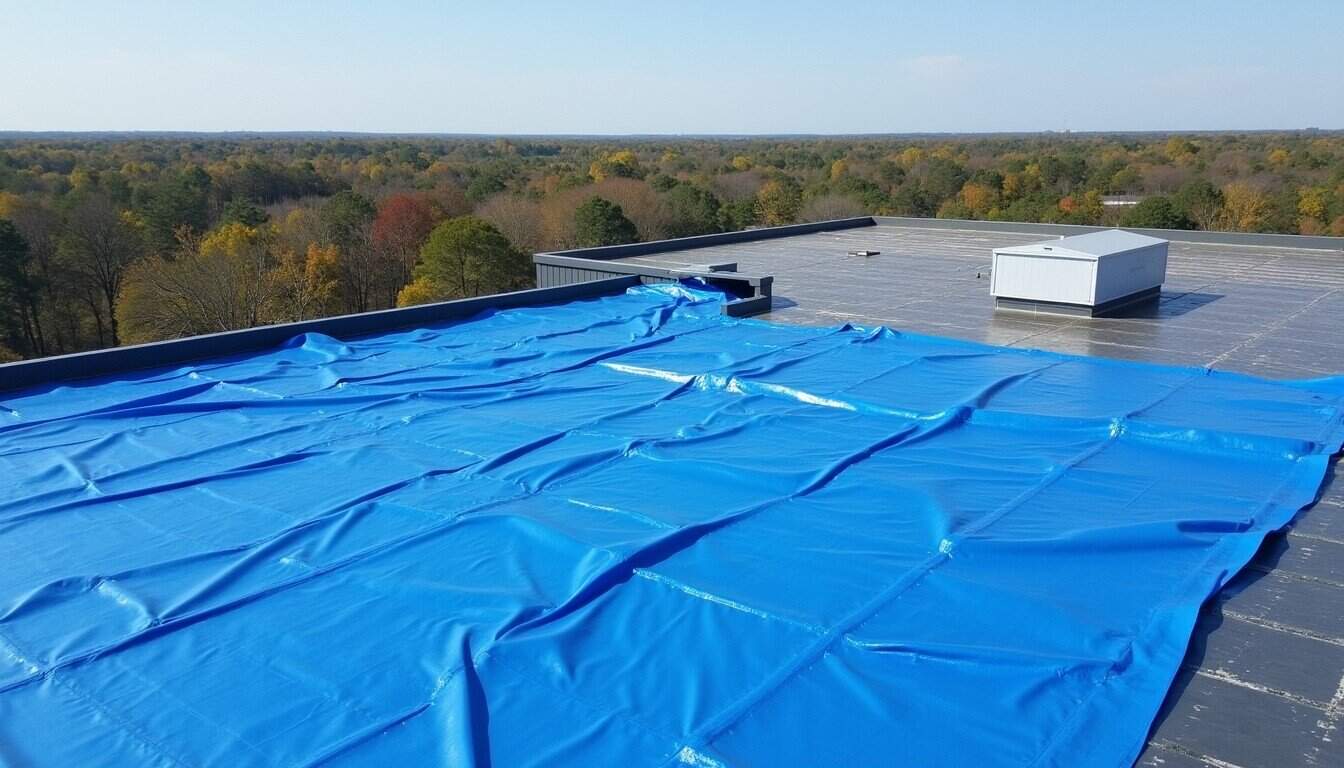
Need help with brewery, distillery & food production roofing?
Send the building address, known roof age, access notes, and what changed. We will respond with the right next step.