
Retail Roofing.
Retail Roofing support in New Orleans, LA, with documented inspections, written scopes, and practical roof planning for commercial properties.
What this roof work solves
Retail Roofing in New Orleans should begin with a documented roof walk. The first job is to identify active water entry, drainage problems, membrane condition, edge details, rooftop equipment conflicts, and weather exposure before a price or schedule is discussed.
For commercial owners, the useful answer is rarely a one-line recommendation. The roof file should explain the work area, the reason for the scope, the access constraints, and the next maintenance decision.
How the scope is built
The scope is geared to building use, building use, roof age, visible defects, and the cost difference between immediate repair and longer-range planning. When repair is enough, the work stays focused. When replacement or recover planning is the responsible move, the reasoning is written plainly.
Each finished project should leave behind before-and-after photos, service notes, and follow-up items so the owner keeps a record for future inspections, budgeting, and vendor conversations.
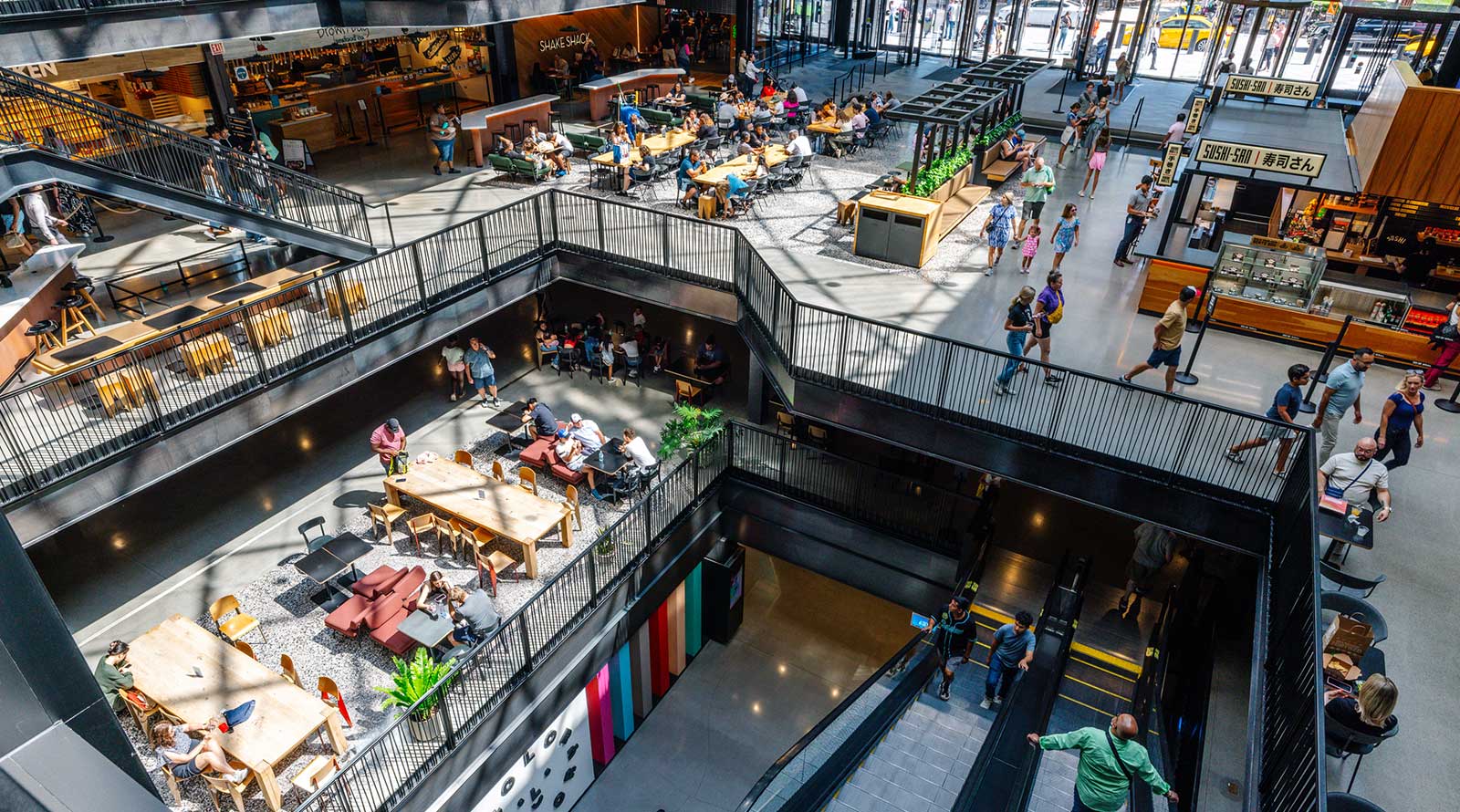
Riverwalk Marketplace along the Convention Center corridor, Lakeside Mall and the Veterans Boulevard retail strip in Metairie, and the Magazine Street independent retail corridor from the Irish Channel to Uptown. Retail roofing in New Orleans runs around the customer calendar, and our production scheduling respects it.
Retail roofing in New Orleans spans a wide range of building types. The Riverwalk Marketplace — the 200,000-plus square foot festival marketplace along the Convention Center Boulevard riverfront — is among the most prominent retail addresses in the metro, drawing both local shoppers and the hotel-based tourist population from the adjacent French Quarter and CBD. Reroofing any section of a building with that occupancy profile requires weekend scheduling blackouts, tenant coordination, and careful sequencing around major convention and event weekends at the adjacent Ernest N. Morial Convention Center.
Lakeside Shopping Center in Metairie is Jefferson Parish's primary Class A mall — driven by major department stores and surrounded by a dense ring of strip retail, restaurant, and outparcel buildings along Veterans Boulevard and Causeway Boulevard. The Lakeside anchor building's large-footprint roof and the surrounding outparcel retail shells present a range of roofing vintages and membrane conditions, from post-Katrina replacements now entering their second cycle to original 1980s modified bitumen systems still being maintained patch by patch.
Retail Scheduling: Protecting Revenue During Production
Retail tenants in New Orleans have a heightened sensitivity to roof work because the city's event calendar is so dense. Mardi Gras, French Quarter Festival, Jazz Fest, Essence Festival, and Superdome event weekends generate peak foot traffic periods where any disruption to retail access or HVAC performance directly translates to lost revenue. We identify the high-revenue weekends for each retail tenant before production scheduling and build blackout windows around them — not as a concession, but as a baseline requirement of the project schedule.
For Riverwalk Marketplace and the Lakeside Mall anchor buildings, production zones are documented with tenant management before the lease notification period opens. Temporary overhead protection over any open-air retail access point is part of our pre-construction staging plan. Magazine Street retail buildings are typically owner-operated or single-tenant, which simplifies coordination but requires the same discipline around customer-facing access.
HVAC and Refrigeration Management for Food and Beverage Retail
Food and beverage retail in New Orleans — which occupies a significant share of the French Quarter, Magazine Street, and Riverwalk retail inventory — has specific roofing constraints around refrigeration and HVAC continuity. Restaurant and specialty-food retail tenants cannot tolerate HVAC disruption during service hours in New Orleans's subtropical heat, and walk-in refrigeration systems that vent through the roof cannot be left without condenser access for extended periods.
We schedule rooftop HVAC and refrigeration equipment work in morning windows before service begins for restaurant tenants, and we coordinate temporary condenser access where equipment isolation requires short-term curb removal. Each food-service tenant receives a separate advance notice of any phase that will affect their rooftop mechanical equipment — not a generic building-wide notification.
Magazine Street and Historic Retail Building Conditions
Magazine Street's retail buildings present a distinct set of roofing conditions. Historic masonry parapets on pre-1960 commercial buildings along Magazine require careful flashing detail at the parapet-to-membrane transition — the through-wall flashing on many of these buildings was compromised in Katrina or was never installed to a standard that handles New Orleans rainfall intensity. Parapet-to-deck flashing rebuild is almost always part of the Magazine Street retail scope.
Roof drainage on the smaller Magazine Street retail buildings is often handled by internal drains or through-parapet scuppers that have been partially blocked by parapet cap replacement or building modifications over the decades. We document the existing drainage configuration on every Magazine Street building we inspect and include a drain-capacity review in the scope — not a separate add-on.
Can you work around major New Orleans event weekends at Riverwalk?
Yes. We identify the high-traffic event weekends — Mardi Gras, Jazz Fest, Essence, major Superdome events, and convention center peak occupancy weekends — before finalizing the production schedule and build blackout windows around them. For Riverwalk Marketplace specifically, we coordinate with the management office and the Downtown Development District on any phase that affects the Convention Center Boulevard access.
Questions to settle early
Where is the risk?
Locate leaks, wet-insulation indicators, open seams, weak flashing, and drainage restrictions across the roof.
What can wait?
Separate immediate work from maintenance items that can be tracked for the next service window.
What should be funded?
Build a practical recommendation for repair, coating, recover, or replacement planning.
Need help with retail roofing?
Send the building address, known roof age, access notes, and what changed. We will respond with the right next step.