
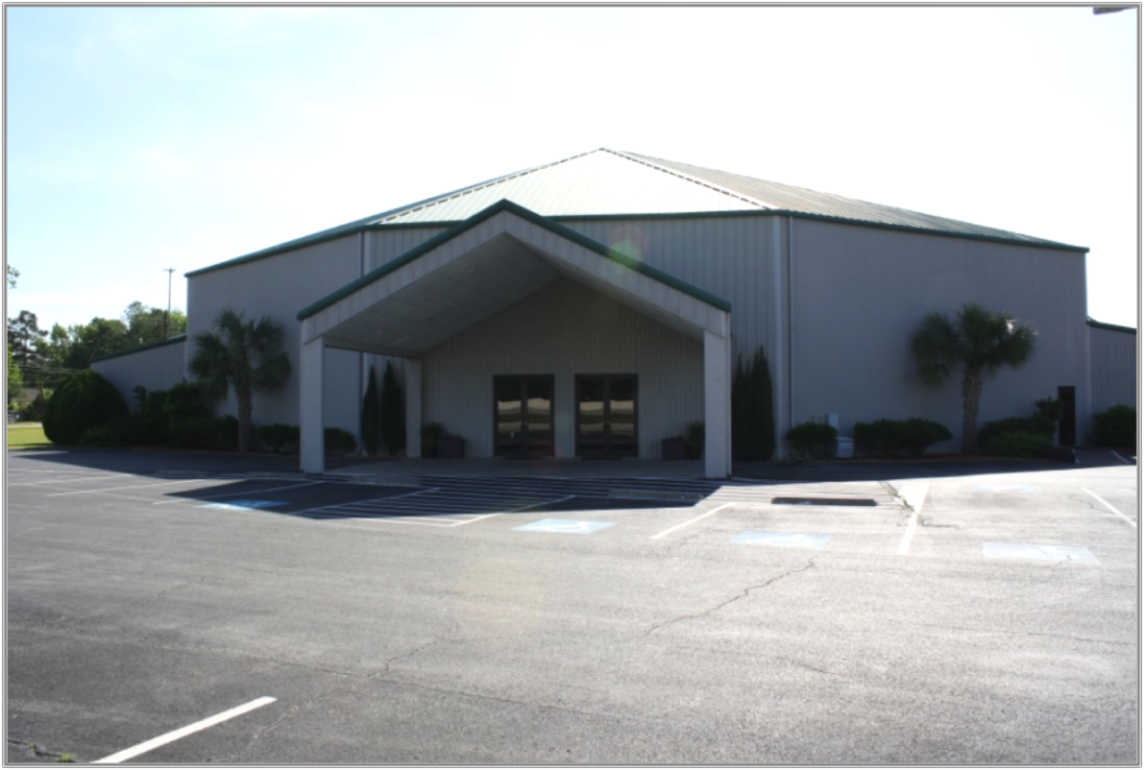
Church and Religious Building Roofing.
Church and Religious Building Roofing support in New Orleans, LA, with documented inspections, written scopes, and practical roof planning for commercial properties.
What this roof work solves
Church and Religious Building Roofing in New Orleans should begin with a documented roof walk. The first job is to identify active water entry, drainage problems, membrane condition, edge details, rooftop equipment conflicts, and weather exposure before a price or schedule is discussed.
For commercial owners, the useful answer is rarely a one-line recommendation. The roof file should explain the work area, the reason for the scope, the access constraints, and the next maintenance decision.
How the scope is built
The scope is based on service scope, building use, roof age, visible defects, and the cost difference between immediate repair and longer-range planning. When repair is enough, the work stays focused. When replacement or recover planning is the responsible move, the reasoning is written plainly.
Each finished project should leave behind before-and-after photos, service notes, and follow-up items so the owner keeps a record for future inspections, budgeting, and vendor conversations.
Commercial roofing for churches, worship centers, and religious facilities throughout New Orleans, LA.
St. Louis Cathedral in New Orleans is arguably the most photographed building in the American South, and its three iconic spires overlooking Jackson Square represent a historic preservation responsibility of the highest order. Churches throughout New Orleans face a roofing challenge unlike anywhere else in the country: the combination of subtropical heat and humidity, hurricane exposure, and a built environment full of historically significant structures that must be maintained in accordance with strict preservation guidelines. Our team specializes in religious property roofing across greater New Orleans, and historic preservation is at the center of how we approach every project in this unique city.
Historic preservation requirements govern roofing work on a large share of New Orleans' church inventory. The Vieux Carré Commission, the Louisiana State Historic Preservation Office, and various local landmark designations each have specific requirements about materials, colors, profiles, and installation methods. A church in the French Quarter or Central Business District cannot simply be re-roofed with whatever is cheapest and most convenient. We work within these regulatory frameworks as a matter of course and we help building committees understand what options are available under the applicable guidelines before a project begins.
Hurricane resilience is the other defining factor in New Orleans church roofing. The memory of Katrina, Rita, Ida, and the storms that came before and after them is present in every building committee conversation in this city. Roofing systems here must be designed not just for everyday weather performance but for sustained high winds, wind-driven rain infiltration, and the debris impact that accompanies major storm events. We install systems with enhanced wind uplift ratings, use code-plus fastening patterns, and pay particular attention to edge flashings and perimeter terminations where hurricane damage most commonly begins.
Clear-span sanctuary roofs on New Orleans' older churches were typically built with cypress timber framing — a material that resists decay remarkably well in the wet Gulf Coast climate but that requires careful assessment before any new roofing system is installed. Cypress that has been exposed to moisture infiltration from a failed roof can develop localized rot that, if not corrected, will compromise the new installation. We probe and assess exposed framing before re-roofing and we report our findings honestly to the building committee, including repair cost estimates for any structural issues we identify.
Capital campaigns in New Orleans' religious community often carry an additional emotional weight. Many congregations are still completing recovery projects that began after Katrina, and a new roofing campaign may represent the final chapter in a long rebuilding story. We understand what that context means to a congregation, and we bring a level of care and respect to our work on these projects that reflects the significance of what the church has been through. Roofing is not just a construction project in this context — it is a statement that the congregation has persevered.
Architectural features on New Orleans churches require custom fabrication skills that are rare in the modern roofing industry. Cast-iron cresting, ornate copper gutters and downspouts, pressed-tin cornice details, and decorative slate patterns are all features that must be handled with matching materials and traditional techniques when repairs are needed. We maintain relationships with specialty fabricators who can replicate historic metal work, and we have the in-house skills to install those custom elements correctly.
Scheduling roofing work around the New Orleans church calendar requires awareness of the city's unique cultural rhythms. Mardi Gras, Jazz Fest, and the summer festival season all affect traffic, parking, and crew logistics in ways that are unfamiliar to contractors from outside the region. We schedule major projects for the fall and early winter window when weather is cooperative, post-hurricane season activity has settled, and the church calendar is somewhat less intense. Emergency repairs are available year-round and we respond rapidly to post-storm damage calls.
Building committees at New Orleans churches often include members with deep community roots and strong institutional memory of what past construction projects have delivered — or failed to deliver. We earn the trust of those committees through transparent communication, honest assessments, and by delivering exactly what we promised. Our references in the New Orleans religious community are extensive, and we encourage building committees to contact them before making any decision.
From the French Quarter's historic Catholic parishes to the shotgun-style neighborhood churches of Tremé and the Oak Park megachurch campuses of the North Shore, our team serves every segment of the greater New Orleans religious property market. We are licensed in Louisiana, carry the insurance coverage that church policies require, and have the preservation expertise that this city's unique building stock demands.
Can you repair a leaking BUR roof on a New Orleans building without full replacement?
Sometimes. If the leak source is an isolated failed flashing at a penetration or parapet — and core cuts show the BUR field plies are otherwise dry and intact — targeted repair is the appropriate scope. If the leak is coming from degraded plies in the roof field, patching the visible wet spot without addressing the ply failure produces another leak nearby within a season or two. In a market where the next tropical rain event may arrive before the targeted repair has time to prove out, that distinction matters more than it does in other markets. We tell you which situation you are in before we propose a scope.
How do you manage gravel removal during BUR tear-off in a dense urban New Orleans location?
Gravel-surfaced BUR tear-off is labor-intensive and generates significant debris volume. On CBD, French Quarter, and Warehouse District buildings with constrained street access, we use rooftop vacuum systems that collect the gravel without staging loose aggregate at the curb. Street-use permits for dumpster placement in the French Quarter and the Downtown Development District require advance coordination with the City of New Orleans — we handle that permitting before mobilization.
Questions to settle early
Where is the risk?
Locate leaks, wet-insulation indicators, open seams, weak flashing, and drainage restrictions across the roof.
What can wait?
Separate immediate work from maintenance items that can be tracked for the next service window.
What should be funded?
Build a practical recommendation for repair, coating, recover, or replacement planning.
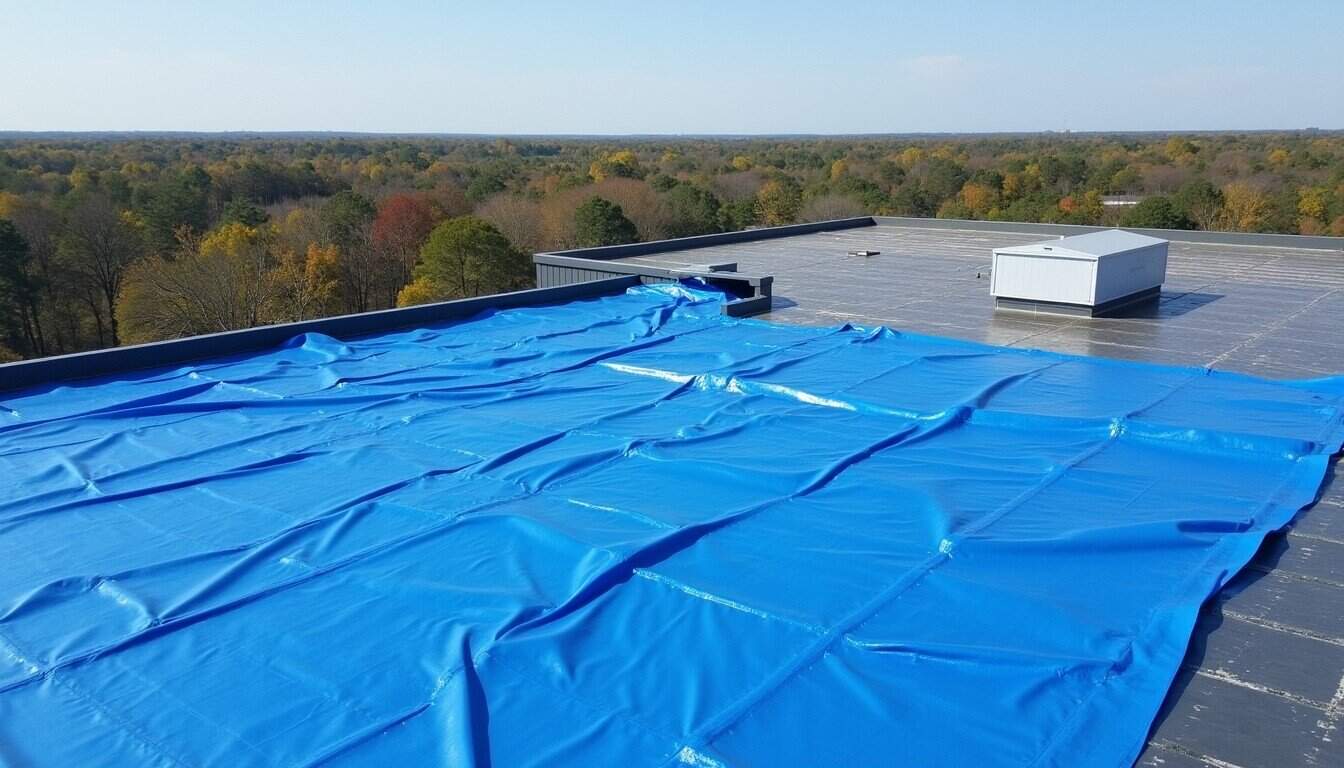
Need help with church and religious building roofing?
Send the building address, known roof age, access notes, and what changed. We will respond with the right next step.