
Restaurant and Food Service Building Roofing.
Restaurant and Food Service Building Roofing support in New Orleans, LA, with documented inspections, written scopes, and practical roof planning for commercial properties.
What this roof work solves
Restaurant and Food Service Building Roofing in New Orleans should begin with a documented roof walk. The first job is to identify active water entry, drainage problems, membrane condition, edge details, rooftop equipment conflicts, and weather exposure before a price or schedule is discussed.
For commercial owners, the useful answer is rarely a one-line recommendation. The roof file should explain the work area, the reason for the scope, the access constraints, and the next maintenance decision.
How the scope is built
The scope is based on service scope, building use, roof age, visible defects, and the cost difference between immediate repair and longer-range planning. When repair is enough, the work stays focused. When replacement or recover planning is the responsible move, the reasoning is written plainly.
Each finished project should leave behind before-and-after photos, service notes, and follow-up items so the owner keeps a record for future inspections, budgeting, and vendor conversations.
Commercial roofing for restaurants, quick-service chains, breweries, and food service facilities throughout New Orleans, LA.
New Orleans feeds its residents and visitors from an ecosystem of restaurants that is unlike anywhere else in the country. The po'boy shops and plate-lunch counters of Mid-City, the Creole fine dining institutions in the Central Business District, the oyster bars and raw-bar concepts lining Magazine Street, and the sprawling festival food operations that run through Jazz Fest and Mardi Gras season all share one building envelope challenge: a flat or low-slope commercial roof in a subtropical climate where humidity rarely dips below 60 percent, annual rainfall exceeds 60 inches, and hurricane season is not a hypothetical risk but a scheduling reality that shapes every aspect of facility maintenance.
Moisture management is the foundational concern for any New Orleans restaurant roof. Unlike markets where moisture is a seasonal issue, Greater New Orleans food-service buildings deal with elevated humidity year-round, and that persistent humidity works into every unsealed penetration, every deteriorated flashing edge, and every membrane seam that was welded below specification. Kitchen operations add significant interior moisture through cooking vapor, dishwasher exhaust, and the constant cycling of walk-in cooler and freezer units, creating an interior humidity environment that drives moisture upward into the roof assembly when vapor control is inadequate. A properly specified New Orleans restaurant re-roof addresses both the exterior moisture exposure and the interior vapor load simultaneously.
Grease exhaust penetrations on New Orleans restaurant roofs are under continuous stress. The city's cuisine traditions mean that full-service kitchens run wood-burning grills, cast-iron cooking stations, and deep fryer banks that generate grease vapor volumes well above national averages for restaurants of comparable square footage. Magazine Street's upscale bistros and the fast-casual concepts expanding through the Mid-City neighborhood both deal with grease film accumulation on exhaust flashing collars that, in the subtropical sun and constant humidity, degrades standard elastomeric sealants faster than comparable installations in the Midwest or Northeast. PVC membrane systems are particularly well-suited to New Orleans restaurant roofs because their resistance to grease and plasticizer stability in sustained heat outperforms alternative single-ply options over a 20-year service life.
Hurricane preparedness is a roofing consideration that New Orleans restaurant owners build into every capital planning conversation. The Louisiana building code's wind uplift requirements for commercial roofing in Orleans Parish reflect the post-Katrina reality that building envelope failure during a tropical event can destroy a business that survived the storm itself. Membrane fastening patterns at corners, perimeters, and field zones must meet the enhanced requirements applicable to New Orleans' wind design zone, and roofing assemblies must be installed to manufacturer specifications without shortcuts that would void the uplift warranty. Restaurant owners who invest in a properly installed, warranted membrane system have documented evidence that their roof meets code, which matters for both insurance underwriting and post-storm claims.
Walk-in cooler and freezer units in New Orleans restaurants generate the most persistent moisture management challenge on any Gulf Coast restaurant roof. The combination of subtropical exterior humidity and the refrigerated interior environment creates a vapor pressure differential that is among the highest of any climate zone in the country, driving moisture aggressively into unprotected roof assemblies around refrigeration curbs. When original vapor retarders are absent or degraded—as they commonly are on pre-1980 New Orleans commercial buildings—the insulation above walk-in units absorbs moisture continuously until it reaches saturation. A re-roof scope for any New Orleans restaurant with walk-in units should include nuclear moisture surveys to quantify wet insulation extent and full removal of saturated material before new insulation is installed.
The brewery and taproom segment in New Orleans has grown substantially since the Crescent City Brewhouse was joined by a generation of neighborhood craft operations from the Bywater to Freret Street. Brewing operations that occupy converted shotgun commercial buildings and former Creole cottage commercial spaces present unusual roof geometry challenges: multiple small roof sections, numerous penetrations, and parapet conditions that reflect decades of informal repair work rather than a coherent waterproofing system. Consolidating all of those roof sections under a single new membrane system with properly flashed parapets and updated equipment curbs typically requires a licensed commercial roofing contractor with experience in New Orleans' historic building stock, not a general contractor who occasionally handles roofing as a second trade.
Health inspections by the Louisiana Department of Health and the Orleans Parish sanitarian program cover physical plant conditions that roofing directly affects. A slow roof leak that creates ceiling moisture in a kitchen prep area can trigger a mandatory closure until the source is corrected and the area is sanitized and re-inspected, a sequence that can take a week or more to complete during the health department's normal scheduling cycle. New Orleans restaurant owners who have experienced that closure process once invariably move to preventive maintenance contracts with commercial roofing contractors who can respond within a business day and provide written documentation of completed repairs in a format that the parish sanitarian accepts.
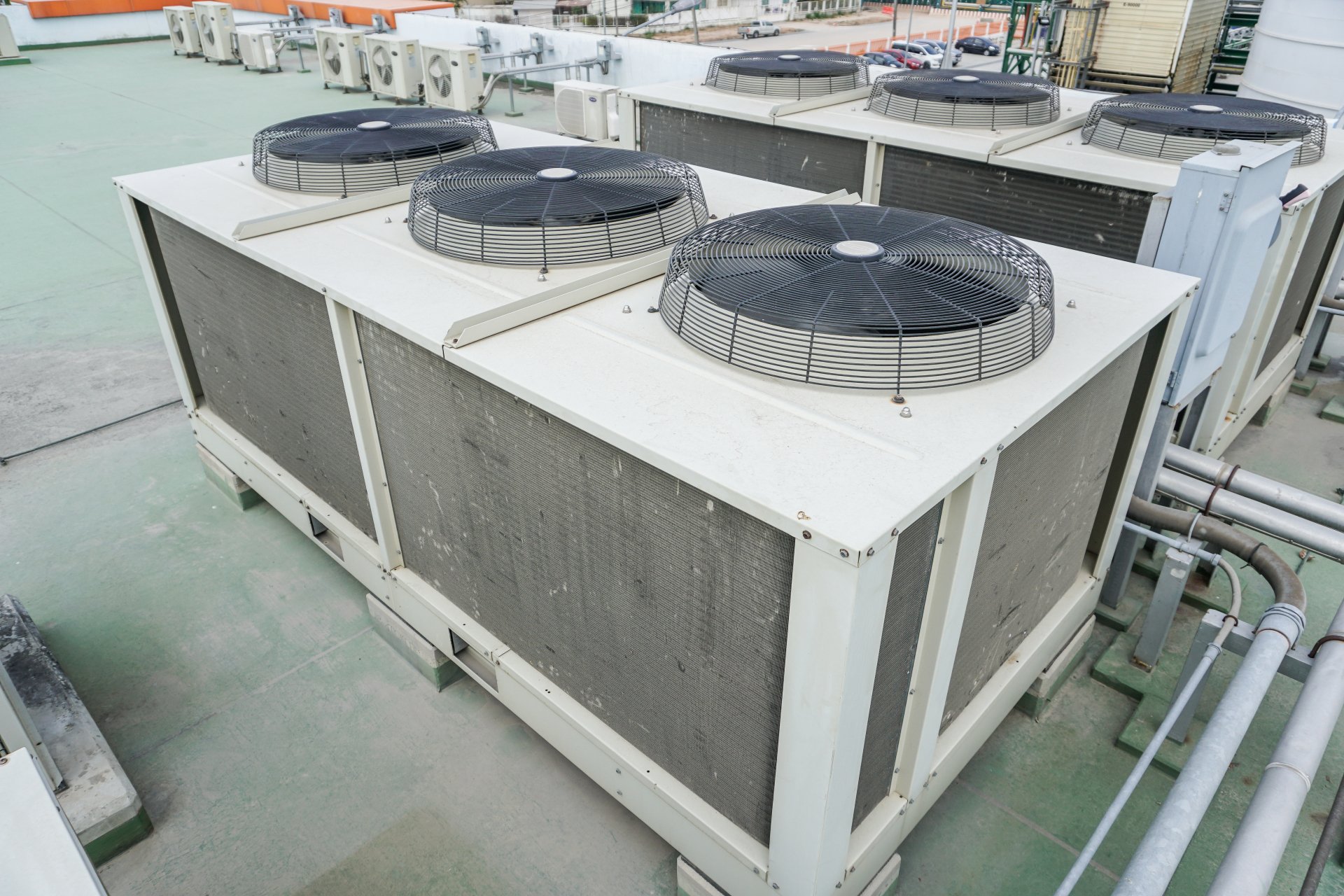
Fast-food franchise operations along Tulane Avenue, Chef Menteur Highway, and the commercial corridors of the West Bank maintain rooftop HVAC equipment under corporate maintenance schedules that interact directly with roofing condition. When a corporate HVAC technician services a rooftop unit and finds that the curb base flashing is deteriorated or the membrane around the equipment pad is blistered, that observation goes into a corporate maintenance record that can trigger a required repair timeline. Franchise operators who address roofing deficiencies proactively through scheduled re-roofing—rather than waiting for a corporate maintenance report to force the issue—control the contractor selection, timing, and budget rather than having those decisions made for them under time pressure.
The optimal scheduling window for New Orleans restaurant re-roofing runs from October through March, when ambient temperatures are more moderate, humidity is at its seasonal low, and the Atlantic hurricane season has ended. Summer re-roofing in New Orleans requires additional precautions for heat safety for roofing crews and can produce membrane welds that show more thermal expansion movement before final set, a condition that experienced contractors manage with extended walk-off time and post-weld inspection. Restaurant owners who plan roof replacements in the fall protect their buildings before the winter rain season peaks and enter the following hurricane season with a warranted, fully inspected roofing system rather than a patched membrane carrying deferred risk.
Can you repair a leaking BUR roof on a New Orleans building without full replacement?
Sometimes. If the leak source is an isolated failed flashing at a penetration or parapet — and core cuts show the BUR field plies are otherwise dry and intact — targeted repair is the appropriate scope. If the leak is coming from degraded plies in the roof field, patching the visible wet spot without addressing the ply failure produces another leak nearby within a season or two. In a market where the next tropical rain event may arrive before the targeted repair has time to prove out, that distinction matters more than it does in other markets. We tell you which situation you are in before we propose a scope.
How do you manage gravel removal during BUR tear-off in a dense urban New Orleans location?
Gravel-surfaced BUR tear-off is labor-intensive and generates significant debris volume. On CBD, French Quarter, and Warehouse District buildings with constrained street access, we use rooftop vacuum systems that collect the gravel without staging loose aggregate at the curb. Street-use permits for dumpster placement in the French Quarter and the Downtown Development District require advance coordination with the City of New Orleans — we handle that permitting before mobilization.
Questions to settle early
Where is the risk?
Locate leaks, wet-insulation indicators, open seams, weak flashing, and drainage restrictions across the roof.
What can wait?
Separate immediate work from maintenance items that can be tracked for the next service window.
What should be funded?
Build a practical recommendation for repair, coating, recover, or replacement planning.
Need help with restaurant and food service building roofing?
Send the building address, known roof age, access notes, and what changed. We will respond with the right next step.