
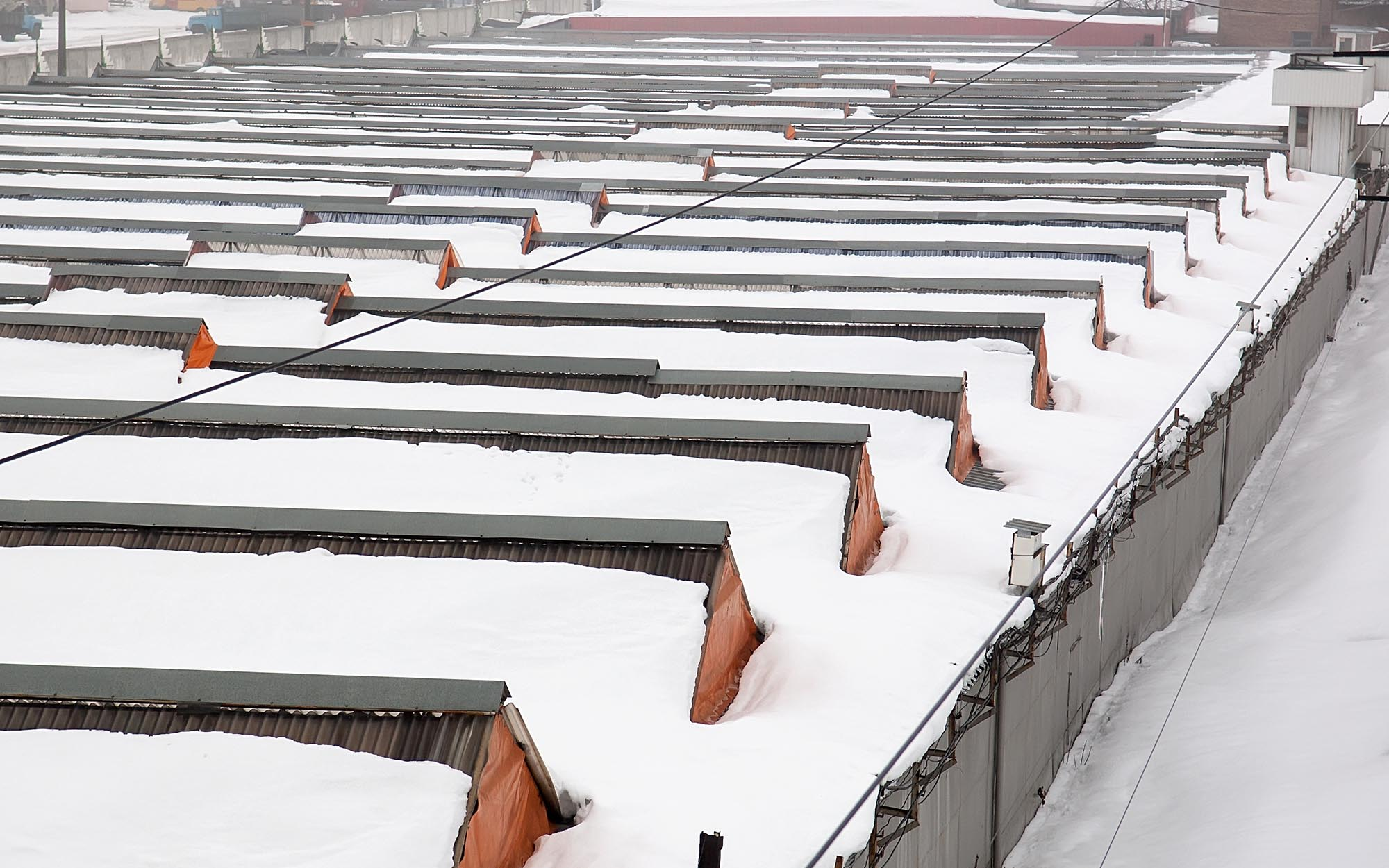
Freeze Damage Roof Repair.
Freeze Damage Roof Repair support in New Orleans, LA, with documented inspections, written scopes, and practical roof planning for commercial properties.
What this roof work solves
Freeze Damage Roof Repair in New Orleans should begin with a documented roof walk. The first job is to identify active water entry, drainage problems, membrane condition, edge details, rooftop equipment conflicts, and weather exposure before a price or schedule is discussed.
For commercial owners, the useful answer is rarely a one-line recommendation. The roof file should explain the work area, the reason for the scope, the access constraints, and the next maintenance decision.
How the scope is built
The scope is geared to damage response, building use, roof age, visible defects, and the cost difference between immediate repair and longer-range planning. When repair is enough, the work stays focused. When replacement or recover planning is the responsible move, the reasoning is written plainly.
Each finished project should leave behind before-and-after photos, service notes, and follow-up items so the owner keeps a record for future inspections, budgeting, and vendor conversations.
Freeze events in New Orleans are rare enough that commercial roofs here are not specified for sustained subfreezing exposure. Winter Storm Uri in February 2021 demonstrated what happens when a subtropical-climate roof membrane experiences its first hard freeze — and left a documented damage pattern across the metro that caught most building owners and carriers off guard.
New Orleans is not a freeze-damage roofing market in the way that northern cities are. The commercial membranes, insulation systems, and flashing materials specified for the subtropical Gulf Coast climate are designed for heat and humidity — not sustained subfreezing temperatures. When Winter Storm Uri dropped New Orleans temperatures to 11°F on February 16, 2021, the region's coldest recorded temperature in more than 30 years, commercial flat roofs across Orleans and Jefferson parishes experienced freeze-expansion damage that the systems were never designed to handle.
Uri's freeze damage on New Orleans commercial roofs followed a predictable pattern once you understand what the event subjected the membranes to. Moisture that had infiltrated lap seams and penetration flashings prior to the freeze — a condition common on subtropical-climate roofs with less aggressive maintenance inspection than northern markets — expanded as it froze, forcing seam edges open and widening existing hairline cracks in aged membrane. When the freeze thawed over February 17 and 18, the widened seams and cracks were no longer self-sealing, and the metro's subsequent rain events produced leaks in buildings that had not reported active water infiltration before Uri.
We documented freeze damage on commercial buildings across the New Orleans metro following Uri and worked with Louisiana insurance carriers and adjusters through that claim process. The damage pattern was specific and identifiable — distinct from the hurricane wind damage that the market's carriers are more accustomed to processing, and distinct from the chronic maintenance-related seam failures common in this climate. We build that documentation for your Louisiana carrier in the same format.
How Uri-Class Freeze Events Damage New Orleans Commercial Membranes
TPO and EPDM membranes specified for New Orleans's subtropical climate carry plasticizer formulations that maintain flexibility in high heat. At sustained temperatures below 20°F — temperatures Uri brought across the metro for 36-plus hours — those formulations reach brittleness thresholds that northern-climate membranes are designed to avoid. A membrane that flexes normally in New Orleans's summer heat becomes rigid and crack-susceptible in Uri-class cold. Foot traffic during freeze conditions — maintenance personnel accessing rooftop equipment during the storm — can produce surface cracking that would not occur in normal conditions.
Moisture expansion is the more widespread damage mechanism. New Orleans commercial flat roofs in the subtropical climate accumulate moisture at lap seams and penetration flashings through the normal aging process — a condition that aggressive maintenance inspection limits but that is present to some degree on almost every older commercial building in the market. When that moisture freezes, it expands approximately nine percent by volume, forcing seam edges and flashing laps open. The seam that was thermally bonded or adhesively sealed now has a freeze-driven opening that does not close when the temperature returns to normal.
Ice ponding at low points on commercial flat roofs during Uri produced additional loading conditions that some older commercial buildings in Orleans and Jefferson parishes had not experienced in their structural design life. The weight of standing ice on large-footprint warehouse and retail buildings in the New Orleans East corridor added dead load to roof systems not specified for that condition. We check for deck deflection at low points and drain areas on any building reporting freeze-event structural concerns.
Identifying Freeze Damage vs. Pre-Existing Deterioration
Freeze damage has a specific physical signature that distinguishes it from the chronic UV and moisture-cycling deterioration common on subtropical-climate commercial roofs. Freeze-expanded seam openings show a consistent opening width across a seam length rather than the irregular, progressive-widening pattern of adhesive aging. Surface cracking from thermal brittleness follows a network of fine interconnected cracks — spiderweb-pattern surface crazing — rather than the directional alligatoring pattern produced by UV oxidation over time.
The temporal evidence also distinguishes freeze from chronic damage. Buildings that had documented pre-Uri inspection records showing no active leaks and then reported active leaks within two to four weeks of the February 2021 freeze event have strong evidence of freeze-caused damage. The Louisiana Department of Insurance recognized Uri as a qualifying weather event for commercial property claims, and most Louisiana carriers processed Uri commercial roof damage under their winter weather provisions.
We document freeze damage with the freeze-event temporal reference and the physical failure signature evidence, and we note any pre-existing conditions we observe that predate the event. Louisiana carriers and adjusters working Uri-related commercial claims need the same attribution clarity as hurricane claims — the documentation standard is the same.
Freeze Damage Repair Scope and Sequencing
Freeze-expanded seam repairs on TPO and EPDM systems require seam reopening, cleaning of the lap edge to remove any freeze-fractured adhesive or contamination, and re-welding or re-bonding under controlled temperature and humidity conditions. New Orleans's ambient humidity creates challenges for seam bonding repair work — moisture on the lap surface prevents adhesive contact and heat-weld bond formation. We schedule seam repairs for low-humidity morning windows and confirm seam bond quality with pull-probe testing before closing out the repair.
Questions to settle early
Where is the risk?
Locate leaks, wet-insulation indicators, open seams, weak flashing, and drainage restrictions across the roof.
What can wait?
Separate immediate work from maintenance items that can be tracked for the next service window.
What should be funded?
Build a practical recommendation for repair, coating, recover, or replacement planning.
Need help with freeze damage roof repair?
Send the building address, known roof age, access notes, and what changed. We will respond with the right next step.