
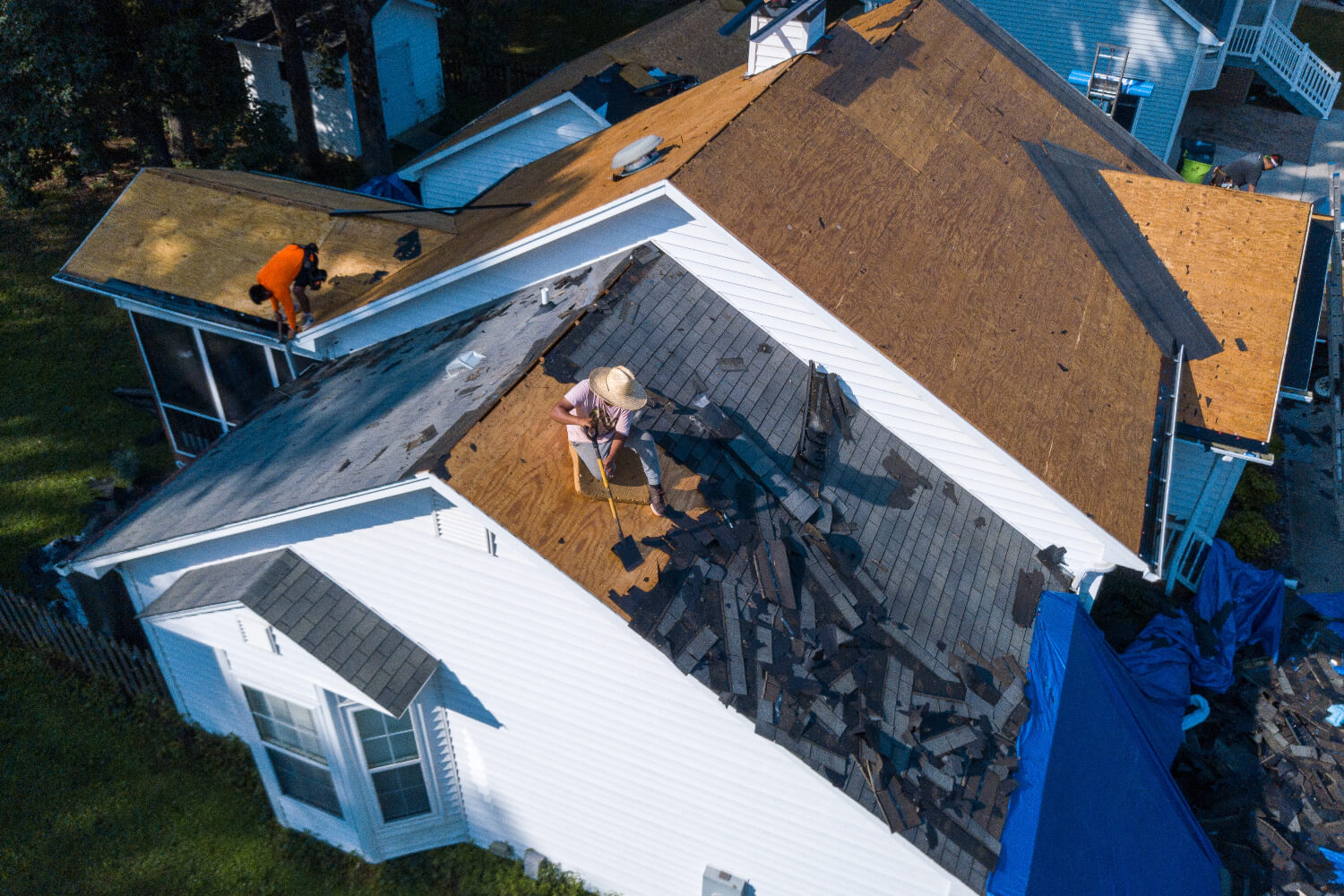
Structural Roof Damage Assessment.
Structural Roof Damage Assessment support in New Orleans, LA, with documented inspections, written scopes, and practical roof planning for commercial properties.
What this roof work solves
Structural Roof Damage Assessment in New Orleans should begin with a documented roof walk. The first job is to identify active water entry, drainage problems, membrane condition, edge details, rooftop equipment conflicts, and weather exposure before a price or schedule is discussed.
For commercial owners, the useful answer is rarely a one-line recommendation. The roof file should explain the work area, the reason for the scope, the access constraints, and the next maintenance decision.
How the scope is built
The scope is geared to damage response, building use, roof age, visible defects, and the cost difference between immediate repair and longer-range planning. When repair is enough, the work stays focused. When replacement or recover planning is the responsible move, the reasoning is written plainly.
Each finished project should leave behind before-and-after photos, service notes, and follow-up items so the owner keeps a record for future inspections, budgeting, and vendor conversations.
A structural roof damage assessment in New Orleans looks at what the hurricane, the tropical moisture, and the subtropical climate have done to the building envelope over time — not just the membrane surface. Deck condition, parapet integrity, and uplift attachment adequacy determine whether the building's roof system performs the next time a Gulf storm makes landfall.
Commercial roof structural assessments in New Orleans have a context unique to the Gulf Coast market. Post-Katrina surveys documented widespread deck deterioration on pre-2005 commercial buildings that had accumulated moisture over decades in a subtropical climate — wood-nailer assemblies with rot, older light-gauge metal deck with corrosion at fastener holes, and parapet walls with cracked masonry that had been allowing water infiltration for years before the storm. Katrina's wind loads did not create those conditions — they revealed conditions that had been developing since original construction.
Hurricane Ida's Cat-4 landfall in 2021 produced a second round of structural documentation across the metro. Post-Ida engineering surveys in Jefferson Parish found parapet wall failures — not membrane failures — as the initial failure mode on several commercial buildings where the parapet wall-to-deck connection had not been updated to post-Katrina code standards. The parapet fails, the membrane tears at the wall-to-deck transition, and the building is exposed before the wind event is over.
We conduct commercial roof structural assessments in coordination with the project's licensed structural engineer of record where structural determination is required — our assessment identifies roofing-system structural concerns and refers structural determinations to the appropriate licensed professional. Our written assessment provides the roofing-system documentation that the structural engineer, the building owner, and the Louisiana insurance carrier need to make informed decisions about the building's roof envelope.
Deck Condition Assessment After Hurricane Events
Metal deck condition on commercial buildings in New Orleans's subtropical climate deteriorates through a combination of moisture infiltration from above and humid air exposure from below. Fastener holes in light-gauge metal deck that are exposed to recurring water infiltration develop corrosion rings that reduce the structural fastener pullout capacity over time. On mechanically attached roofing systems, reduced fastener pullout capacity at the deck level is the underlying structural failure that wind-uplift testing at the membrane level cannot detect.
We pull deck inspection ports beneath suspected moisture infiltration zones and at confirmed wet-core locations to assess the deck's surface condition and the fastener hole diameter relative to the original specification. On pre-Katrina commercial buildings in Orleans and Jefferson parishes, we have found deck corrosion at fastener locations that had not been documented in prior roof inspections because the membrane surface above showed no visible evidence of the subsurface condition.
Where deck corrosion is documented, the repair scope includes not just the membrane system but also the deck repair or replacement in the affected zones, with the deck repair documented in the project closeout file for the structural engineer's review and the building permit record.
Parapet Integrity Assessment for Hurricane-Prone Buildings
Parapets on commercial buildings in New Orleans are the most hurricane-vulnerable component of the roof envelope. The parapet wall is exposed to full wind load on both faces, carries the perimeter flashing that seals the membrane edge, and connects to the building structure at the wall-to-deck junction — a detail that pre-Katrina construction commonly underspecified for hurricane-prone-region lateral loads.
Post-Ida parapet failures in Jefferson Parish followed a predictable pattern: the wall-to-deck connection sheared first, the parapet rotated outward under the Cat-4 wind load, and the membrane tore at the transition flashing as the parapet moved. We inspect parapet-to-deck connections on every structural assessment — probing for mortar deterioration in masonry parapets, checking metal parapet frame connection bolts, and reviewing the transition flashing detail for compliance with post-Katrina ASCE 7 hurricane-prone-region requirements.
Where parapet structural concerns are identified, we coordinate with the project's structural engineer of record and document the parapet condition in the assessment report. The structural determination — whether the parapet requires repair, reinforcement, or replacement — is the structural engineer's scope. Our assessment identifies the roofing-system implications and provides the documented baseline.
Commercial buildings in New Orleans's hurricane-prone region designation carry ASCE 7 wind-uplift requirements that were updated after Katrina's 2005 damage documentation. Buildings reroofed before the 2006 Louisiana Building Code amendments may have mechanically attached systems installed to pre-Katrina fastener density specifications that do not
We review the existing roof system's attachment documentation — or document the attachment pattern by inspection where original records do not exist — and compare the observed fastener density to the ASCE 7 requirements for the building's current classification. On buildings in Exposure C designations (the New Orleans East warehouse corridor, the lakefront commercial zone, the open-terrain portions of Jefferson Parish along the causeway corridor), the gap between pre-Katrina installation specifications and current requirements is often significant.
Questions to settle early
Where is the risk?
Locate leaks, wet-insulation indicators, open seams, weak flashing, and drainage restrictions across the roof.
What can wait?
Separate immediate work from maintenance items that can be tracked for the next service window.
What should be funded?
Build a practical recommendation for repair, coating, recover, or replacement planning.
Need help with structural roof damage assessment?
Send the building address, known roof age, access notes, and what changed. We will respond with the right next step.