
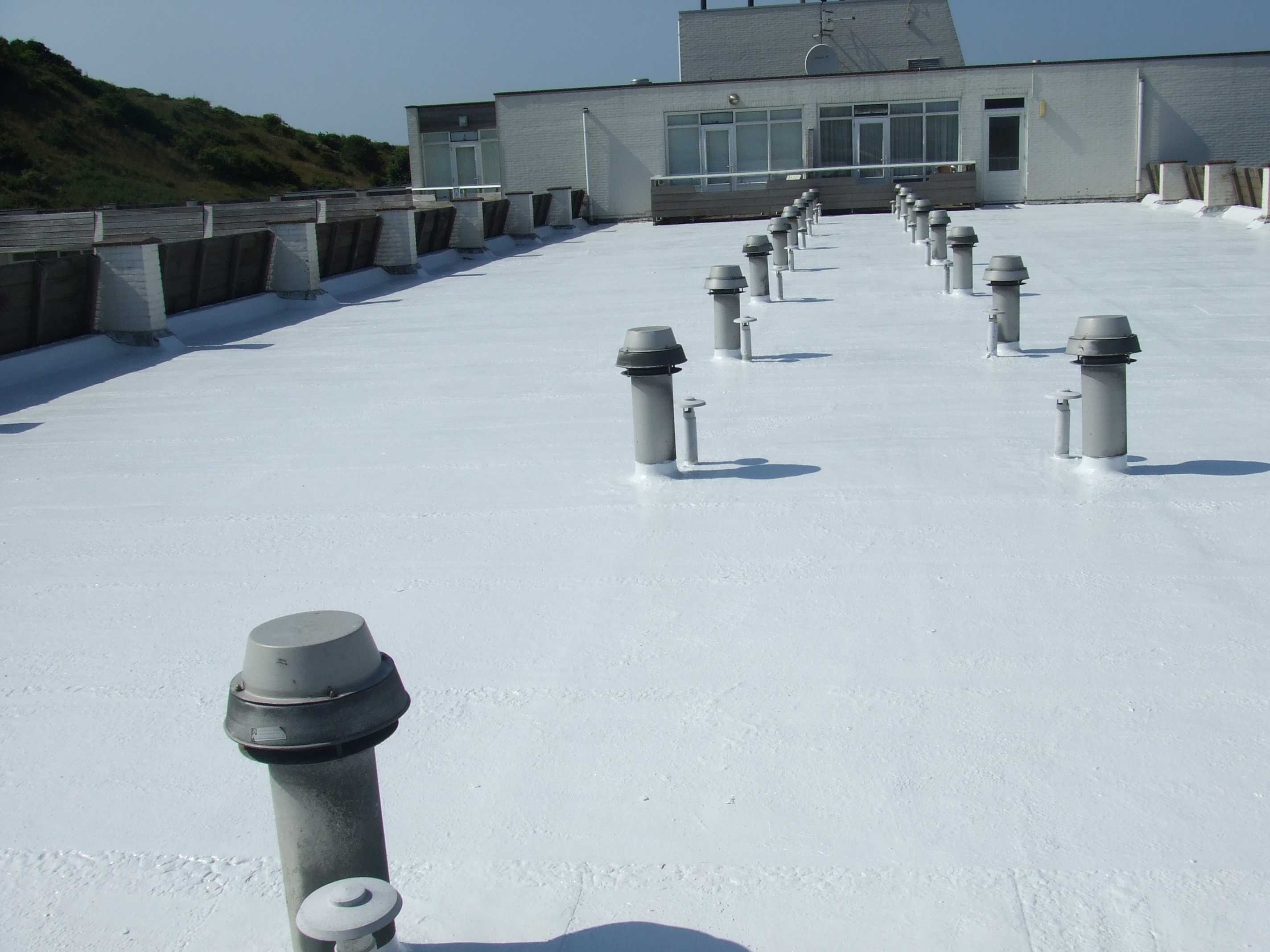
Cool Roof Systems.
Cool Roof Systems support in New Orleans, LA, with documented inspections, written scopes, and practical roof planning for commercial properties.
What this roof work solves
Cool Roof Systems in New Orleans should begin with a documented roof walk. The first job is to identify active water entry, drainage problems, membrane condition, edge details, rooftop equipment conflicts, and weather exposure before a price or schedule is discussed.
For commercial owners, the useful answer is rarely a one-line recommendation. The roof file should explain the work area, the reason for the scope, the access constraints, and the next maintenance decision.
How the scope is built
The scope is based on system selection, building use, roof age, visible defects, and the cost difference between immediate repair and longer-range planning. When repair is enough, the work stays focused. When replacement or recover planning is the responsible move, the reasoning is written plainly.
Each finished project should leave behind before-and-after photos, service notes, and follow-up items so the owner keeps a record for future inspections, budgeting, and vendor conversations.
New Orleans sits in IECC Climate Zone 2A — one of the highest cooling-load commercial building climates in the country. Dark commercial rooftop surfaces reach 150°F and above in July and August. White TPO, white EPDM, and reflective silicone coatings cut that surface temperature significantly and reduce HVAC cooling load in a climate where air-conditioning runs harder and longer than almost anywhere else in the US.
The energy case for cool roofs in New Orleans is among the strongest in the continental United States. Climate Zone 2A — the IECC designation for the hot-humid Gulf Coast region — means commercial buildings here carry larger cooling loads per square foot than equivalent buildings in most northern and interior markets. A conventional dark commercial roof in New Orleans absorbs solar radiation through a July afternoon at rooftop surface temperatures that can exceed 150°F, conducting heat through the roof assembly into the conditioned space below and adding directly to the HVAC load that runs continuously through the six-month summer season.
A white TPO membrane, white EPDM, or reflective silicone coating on the same roof reflects 70-to-80% of that incoming solar radiation rather than absorbing it. Rooftop surface temperatures on these systems under the same New Orleans summer conditions stay in the 100-to-115°F range — a 40 to 50°F reduction that translates measurably to HVAC cooling energy. For single-story commercial buildings with relatively thin insulation stacks and large roof-to-floor-area ratios — the strip retail, light commercial, and service commercial building stock that dominates the mid-city and Jefferson Parish corridors — cool roof installation is among the most cost-effective energy investments available.
Louisiana's adoption of the 2021 International Energy Conservation Code requires minimum roof reflectance and emittance values for low-slope commercial roofs in new construction and major reroofs. The standard white TPO and white EPDM systems we specify in New Orleans already For existing dark-membrane buildings seeking compliance or HVAC load reduction without full replacement, a CRRC-rated reflective coating is the most economical path.
White Membrane Systems for New Orleans Commercial Buildings
White TPO is the most-installed cool roof membrane in the New Orleans metro's post-Katrina commercial construction. The white formulation delivers an initial solar reflectance index (SRI) of 0.80 or higher — well above Louisiana's IECC 2021 minimum for low-slope commercial buildings — without any additional coating or treatment. Over time, the SRI of an uncleaned white membrane degrades modestly as biological growth and dust accumulate on the surface; New Orleans's subtropical humidity and rainfall accelerate this process compared to drier markets. Periodic cleaning — or specification of a self-cleaning membrane finish where the manufacturer offers it — maintains reflectance performance through the warranty term.
White EPDM achieves comparable SRI values, either through factory-laminated white fleece or white EPDM formulations. For New Orleans industrial buildings where EPDM's chemical resistance or elongation properties drive the membrane selection, white EPDM provides IECC compliance as part of the specification without requiring a separate cool roof treatment. Black EPDM — still present on a large portion of the pre-Katrina industrial inventory — is not a cool roof and does not meet current Louisiana energy code reflectance requirements; buildings with black EPDM that are undertaking a permitted reroof are required to achieve current SRI values in the new system.
Louisiana IECC 2021 Compliance Documentation
Louisiana adopted IECC 2021 through the Louisiana Uniform Construction Code, administered by the Louisiana State Uniform Construction Code Council. For low-slope commercial roofs, IECC 2021 Section C402.3 requires a minimum aged solar reflectance of 0.55 and thermal emittance of 0.75, or a minimum solar reflectance index of 64. Standard white TPO, white EPDM, and PVC membranes from major manufacturers
We document IECC compliance on every permitted New Orleans commercial roof project at closeout: the manufacturer's published SRI data for the installed membrane, the CRRC product listing for the specified system, and the energy compliance form required by the City of New Orleans Department of Safety and Permits or the Jefferson Parish Inspection and Code Enforcement office. For buildings in historic overlay districts where Vieux Carré Commission or Downtown Development District review applies, membrane color and reflectance documentation may be part of the VCC submittal package — we prepare this documentation as part of the permit coordination process.
HVAC Load Reduction and Utility Rebate Documentation
Does Louisiana require a cool roof on new commercial construction in New Orleans?
Yes. Louisiana's adoption of IECC 2021 requires minimum solar reflectance and emittance values for low-slope commercial roofs in new construction and major reroofs. Standard white TPO and EPDM membranes We include IECC compliance documentation in every permitted commercial roof closeout package.
Can a reflective coating bring my existing dark New Orleans roof into energy code compliance?
Questions to settle early
Where is the risk?
Locate leaks, wet-insulation indicators, open seams, weak flashing, and drainage restrictions across the roof.
What can wait?
Separate immediate work from maintenance items that can be tracked for the next service window.
What should be funded?
Build a practical recommendation for repair, coating, recover, or replacement planning.
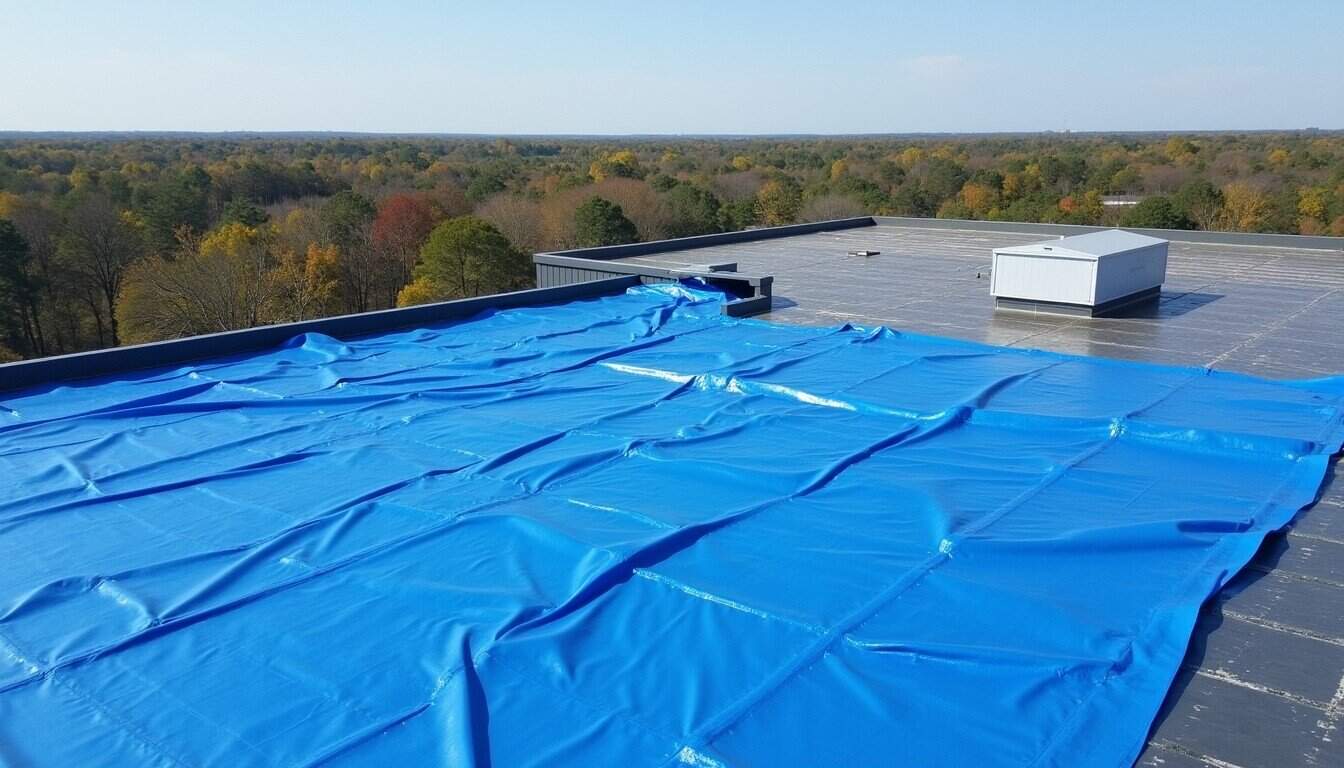
Need help with cool roof systems?
Send the building address, known roof age, access notes, and what changed. We will respond with the right next step.