
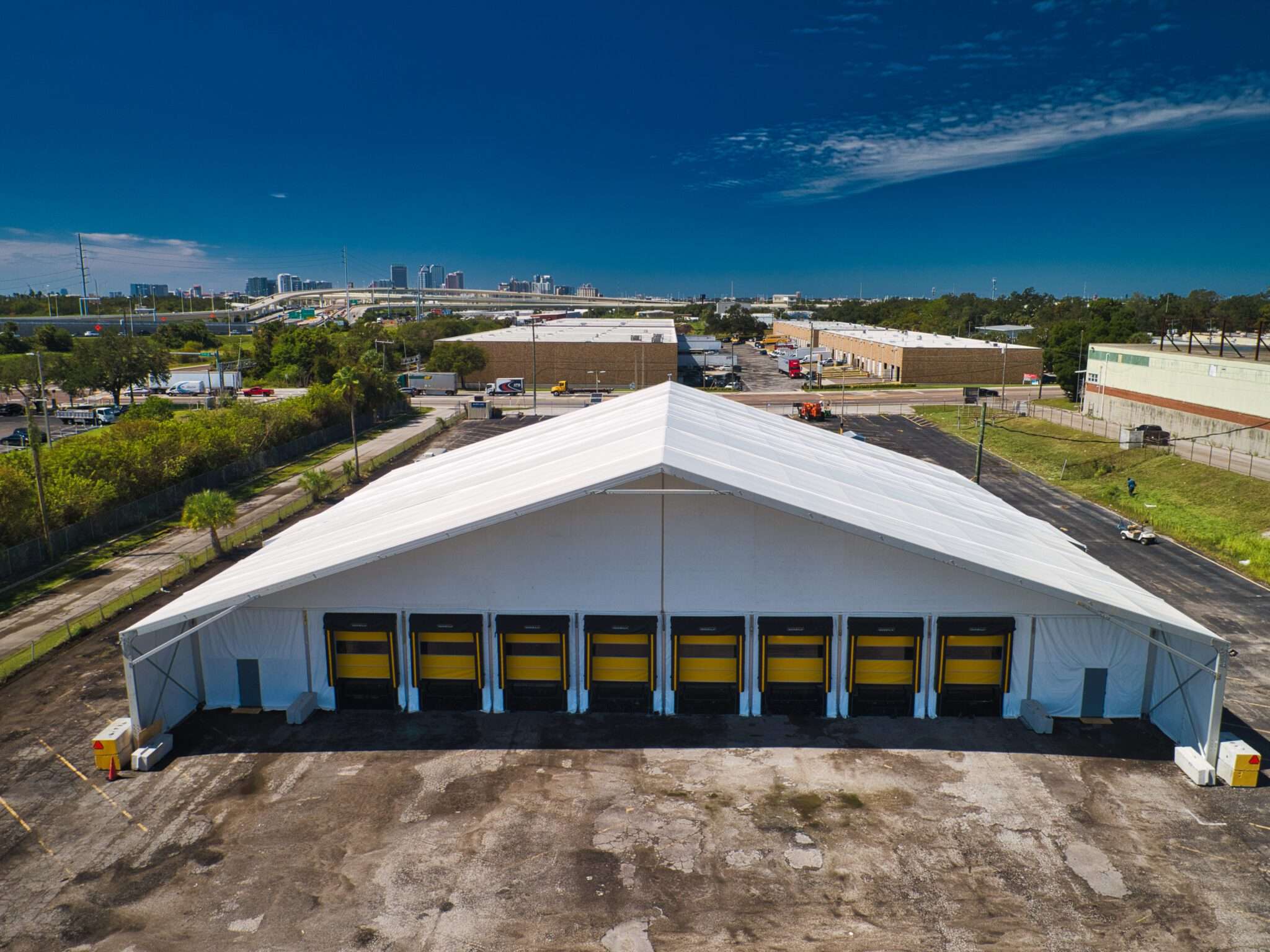
Logistics & Warehouse Roofing.
Logistics & Warehouse Roofing support in New Orleans, LA, with documented inspections, written scopes, and practical roof planning for commercial properties.
What this roof work solves
Logistics & Warehouse Roofing in New Orleans should begin with a documented roof walk. The first job is to identify active water entry, drainage problems, membrane condition, edge details, rooftop equipment conflicts, and weather exposure before a price or schedule is discussed.
For commercial owners, the useful answer is rarely a one-line recommendation. The roof file should explain the work area, the reason for the scope, the access constraints, and the next maintenance decision.
How the scope is built
The scope is matched to operating requirements, building use, roof age, visible defects, and the cost difference between immediate repair and longer-range planning. When repair is enough, the work stays focused. When replacement or recover planning is the responsible move, the reasoning is written plainly.
Each finished project should leave behind before-and-after photos, service notes, and follow-up items so the owner keeps a record for future inspections, budgeting, and vendor conversations.
The Port of New Orleans, the I-10 and I-310 interchange corridors, and the Norfolk Southern and CSX rail yards that feed the port make Greater New Orleans one of the most active freight distribution hubs in the Gulf South. The warehouse and distribution buildings anchoring that infrastructure carry large flat roofs in open-terrain exposure — the most demanding ASCE 7 wind-uplift environment in the metro.
The Port of New Orleans handles more than 53 million tons of cargo annually and operates terminal facilities on both the Mississippi River and the Inner Harbor Navigation Canal. The warehouse and intermodal distribution buildings that support port operations — along the Tchoupitoulas Street corridor, the Napoleon Avenue wharf district, and the Public Grain Elevator complex — represent some of the oldest and largest commercial roof areas in the city. Many of these structures pre-date modern hurricane-prone-region wind-uplift code requirements and have been patched repeatedly through successive storm events rather than replaced to current specifications.
The I-. Charles Parish and Jefferson Parish border zone anchor a concentration of regional distribution centers and third-party logistics warehouses serving the Gulf South market. These facilities — many in open-terrain exposure along the elevated I-10 East corridor and in the flat industrial zones of Elmwood and Harahan — carry ASCE 7 Exposure C designations that produce significantly higher corner and perimeter wind-uplift pressure coefficients than sheltered urban sites. CSX Transportation and Norfolk Southern both operate rail yards and transload facilities in the Greater New Orleans industrial corridor that feed goods into the port and into regional distribution networks.
Large-footprint logistics roofs in New Orleans present the Gulf Coast's version of the warehouse roofing challenge: massive square footage in open-terrain exposure, high annual rainfall loading, and a hurricane season that can move a building from planned maintenance to emergency scope in a single afternoon. We have scoped and completed logistics and distribution roofing projects across the Orleans, Jefferson, and St. Charles Parish industrial corridors, and we understand what operating a distribution center through a Gulf Coast storm season requires from the roof overhead.
Open-Terrain Exposure and Hurricane Wind-Uplift on Logistics Buildings
Warehouse and distribution buildings along the I-10 East corridor, the Elmwood industrial park in Jefferson Parish, and the river-adjacent warehouse districts of the Port of New Orleans sit in open-terrain exposure environments where ASCE 7 Exposure C designations apply. These buildings experienced disproportionate roof damage in both Hurricane Katrina in 2005 and Hurricane Ida in 2021 relative to their pre-storm attachment documentation — because the actual gust pressures at building corners and perimeters in Category 3 and 4 conditions exceeded what pre-storm fastener designs assumed. Post-Ida damage surveys documented repeated perimeter and corner failures on large-footprint mechanically attached systems in the Elmwood corridor and the New Orleans East warehouse zone.
Every logistics roof replacement we scope starts from the ASCE 7 wind-uplift calculation specific to the building's dimensions, exposure category, and deck type. We do not pull fastener patterns from a standard manufacturer table for large-footprint open-exposure buildings. Corner and perimeter zone fastener density is calculated separately from field-of-roof density and documented in the project closeout file. On buildings where the uplift design cannot be achieved with mechanical attachment density alone, we specify full-adhered or hybrid attachment systems. Edge metal is specified to FM 4435 and ANSI/SPRI ES-1 rated standards — not to pre-2005 code minimums that are still found on many port-adjacent warehouse buildings.
Rainfall Loading and Drainage Design on Large Warehouse Roofs
New Orleans averages more than 60 inches of annual rainfall, with peak rainfall intensity during tropical events that can exceed 3 inches per hour. A 200,000-square-foot warehouse roof in this market handles an enormous volume of water per storm event — and if the drain sizing, scupper placement, or roof slope is inadequate, ponding water adds structural load and accelerates membrane aging at a rate that the manufacturer's warranty period does not account for. We specify tapered insulation systems on replacement projects for large-footprint logistics buildings where existing drain placement is suboptimal or where the original construction allowed low points to develop across the field of the roof.
The port-adjacent warehouse buildings along the Mississippi River corridor present particular drainage challenges: some of these structures were built on soil that has subsided since original construction, creating uneven slopes that route water away from drains rather than toward them. We survey roof slope conditions as part of the pre-replacement assessment and document the slope-to-drain map in the closeout package so the next inspection cycle has a baseline. Drain flow tests at closeout are standard on all large-footprint logistics projects.
Production Sequencing Around Active Distribution Operations
Distribution centers and port-adjacent warehouses cannot shut down for a roofing contractor's production schedule. Dock-door access, forklift traffic, and inventory movement operations run on receiving and shipping cycles that we work around, not through. Pre-construction coordination with the building's operations manager establishes which roof sections overlie active storage zones, which forklift traffic patterns conflict with staging areas, and which dock doors must remain accessible throughout production.
Same-day dry-in discipline is non-negotiable on logistics buildings during hurricane season. The combination of large open roof sections and rapid Gulf weather development means that a logistics building exposed to a storm overnight is not just a roofing problem — it is a cargo-damage event and potentially a business-continuity event for a distribution tenant. We maintain a standing protocol that no section exceeding 10,000 square feet is left without dry-in at end of shift from June through November, regardless of the current forecast.
Can you work on a Port of New Orleans warehouse building without shutting down operations?
Questions to settle early
Where is the risk?
Locate leaks, wet-insulation indicators, open seams, weak flashing, and drainage restrictions across the roof.
What can wait?
Separate immediate work from maintenance items that can be tracked for the next service window.
What should be funded?
Build a practical recommendation for repair, coating, recover, or replacement planning.
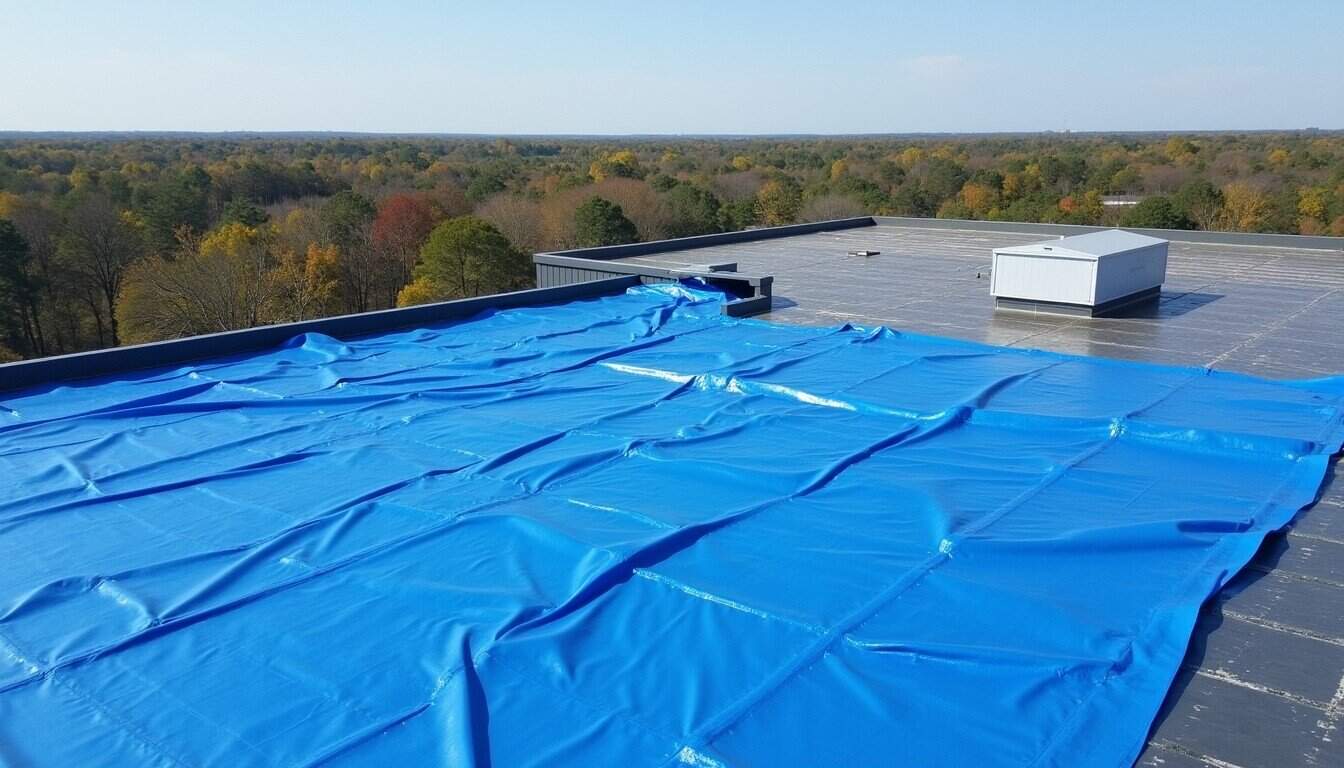
Need help with logistics & warehouse roofing?
Send the building address, known roof age, access notes, and what changed. We will respond with the right next step.