
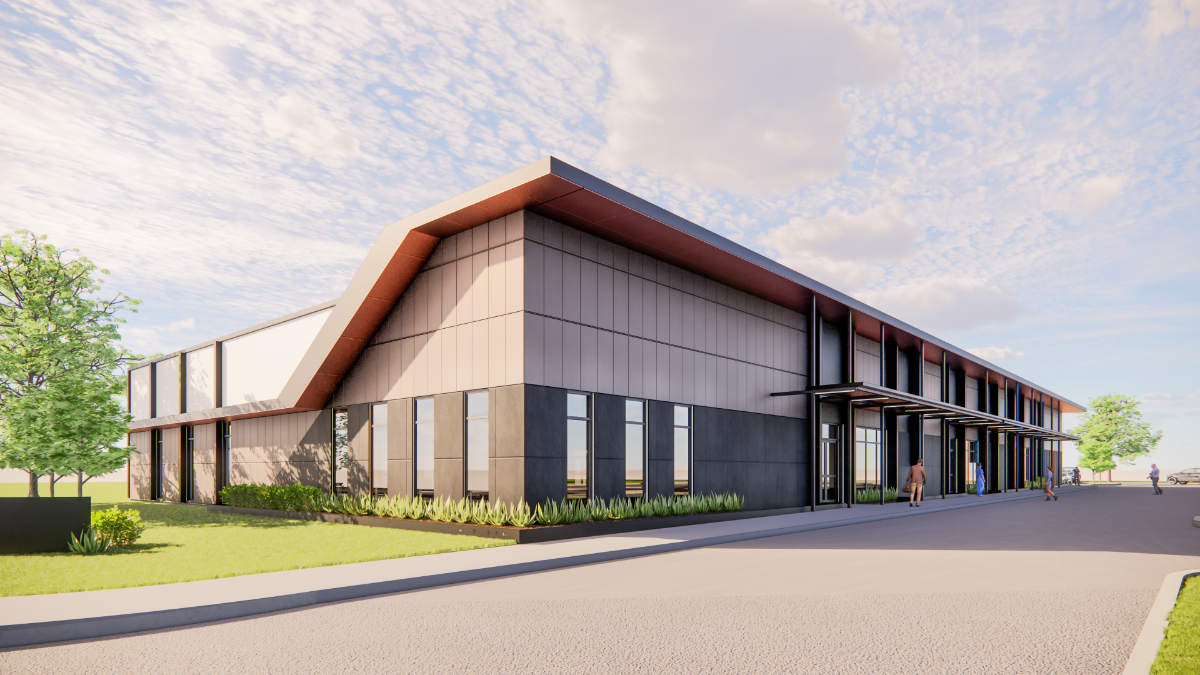
Medical Building Roofing.
Medical Building Roofing support in New Orleans, LA, with documented inspections, written scopes, and practical roof planning for commercial properties.
What this roof work solves
Medical Building Roofing in New Orleans should begin with a documented roof walk. The first job is to identify active water entry, drainage problems, membrane condition, edge details, rooftop equipment conflicts, and weather exposure before a price or schedule is discussed.
For commercial owners, the useful answer is rarely a one-line recommendation. The roof file should explain the work area, the reason for the scope, the access constraints, and the next maintenance decision.
How the scope is built
The scope is geared to building use, building use, roof age, visible defects, and the cost difference between immediate repair and longer-range planning. When repair is enough, the work stays focused. When replacement or recover planning is the responsible move, the reasoning is written plainly.
Each finished project should leave behind before-and-after photos, service notes, and follow-up items so the owner keeps a record for future inspections, budgeting, and vendor conversations.
Ochsner Health System's flagship campus on Jefferson Highway, Tulane Medical Center in the Tulane-Gravier district, LSU Health Sciences Center, and East Jefferson General in Metairie. Medical roofing in New Orleans requires infection-control discipline, NFPA 241 hot-work compliance, and off-hours scheduling — none of these are optional.
Medical-building roofing in the New Orleans metro is concentrated at a handful of major campuses that shape the entire regional healthcare infrastructure. Ochsner Health System's main campus on Jefferson Highway in Jefferson Parish is the largest healthcare campus in Louisiana — a sprawling facility with multiple patient towers, medical-office buildings, parking structures, and support buildings spread across the campus, each with independent roofing needs and a shared requirement for infection-control awareness in every phase of roof work. East Jefferson General Hospital in Metairie serves as Jefferson Parish's primary acute-care facility and adds another large-campus roofing environment to the Jefferson Parish market.
Tulane Medical Center at anchors the Tulane-Gravier medical corridor in the CBD adjacent zone — a district that also includes University Medical Center New Orleans (the post-Katrina rebuild of Charity Hospital) and a cluster of medical-office and specialty-practice buildings that generate significant roofing activity. LSU Health Sciences Center at brings academic medical and research-facility roofing into this same corridor, with additional constraints from research-grade contamination protocols and 24-hour occupancy in laboratory spaces.
Medical roofing in this market is not simply a commercial roofing job with a hospital sign outside. Infection-control risk assessments, NFPA 241 hot-work permits, pressurization management during tear-off on occupied clinical floors, and coordination with hospital facilities engineering on HVAC isolation are baseline requirements, not add-ons. We scope medical projects with these requirements built into the production plan before the contract is signed.
Infection Control Risk Assessment (ICRA) requirements apply to any construction activity on or adjacent to an occupied healthcare facility in Louisiana. Roof tear-off on a clinical building generates dust, vibration, and potential penetration into the building envelope that can compromise the pressurization balance maintaining positive-pressure rooms and negative-pressure isolation areas. We work with the hospital's infection-control officer and facilities engineering team to define the ICRA class for each production zone before mobilization, and we implement the barrier and monitoring measures that ICRA classification requires.
Hot-work permits are a specific requirement at every New Orleans-area healthcare campus. Modified bitumen application with open-flame equipment requires NFPA 241-compliant hot-work permits, fire watch during and after application, and in many cases, pre-approval from the hospital's safety officer and the New Orleans Fire Department for facilities in Orleans Parish. We obtain all required hot-work permits before any ignition source is brought onto the roof and maintain the documentation in the project file.
HVAC Isolation and Pressurization Management
Rooftop HVAC units on hospital buildings cannot be arbitrarily isolated for curb-flashing work the way they can on a standard office building. Clinical areas served by a rooftop unit — operating suites, ICUs, isolation rooms — depend on continuous pressurization that fails when the unit is shut down. We coordinate HVAC isolation schedules with the hospital's facilities engineering and clinical engineering teams, identify alternative air-handling capacity or temporary air supply before any unit is shut down for flashing work, and restore every unit to full operation before the clinical areas it serves resume patient occupancy.
Tear-off operations on occupied clinical buildings require additional pressure-monitoring protocols. Creating a temporary roof opening above an occupied floor can depressurize the space below if the work is not staged with temporary closures. We sequence tear-off in sections that maintain continuous building envelope closure and install temporary membrane closures at section boundaries before removing the next section of existing roof.
Off-Hours Scheduling at Active Hospital Campuses
Most productive medical roofing work at Ochsner Main Campus, Tulane Medical Center, East Jefferson General, and LSU Health Sciences Center happens in night and weekend windows when patient census in the affected clinical areas is lower and elective procedure scheduling allows temporary HVAC isolation without disrupting active surgical or diagnostic work. We build off-hours production into the project schedule from the initial scope — crew costs for night and weekend work are in the bid, not presented as change orders after the project starts.
Material staging at hospital campuses requires designated zones approved by the campus facilities team and consistent with infection-control perimeter requirements. Dumpster placement, material hoisting equipment, and contractor vehicle parking are all coordinated through the campus facilities office before mobilization. We have worked at major New Orleans-area healthcare campuses and we understand that campus-specific staging and access protocols vary by facility and must be documented before production begins.
Do you have experience working at Ochsner or other major NOLA healthcare campuses?
We work at major healthcare campuses in the New Orleans metro and understand the ICRA compliance, hot-work permit, HVAC coordination, and off-hours scheduling requirements specific to those environments. Every medical roofing project begins with a pre-construction coordination meeting with the hospital facilities engineering and infection-control teams to document requirements before production starts.
Questions to settle early
Where is the risk?
Locate leaks, wet-insulation indicators, open seams, weak flashing, and drainage restrictions across the roof.
What can wait?
Separate immediate work from maintenance items that can be tracked for the next service window.
What should be funded?
Build a practical recommendation for repair, coating, recover, or replacement planning.
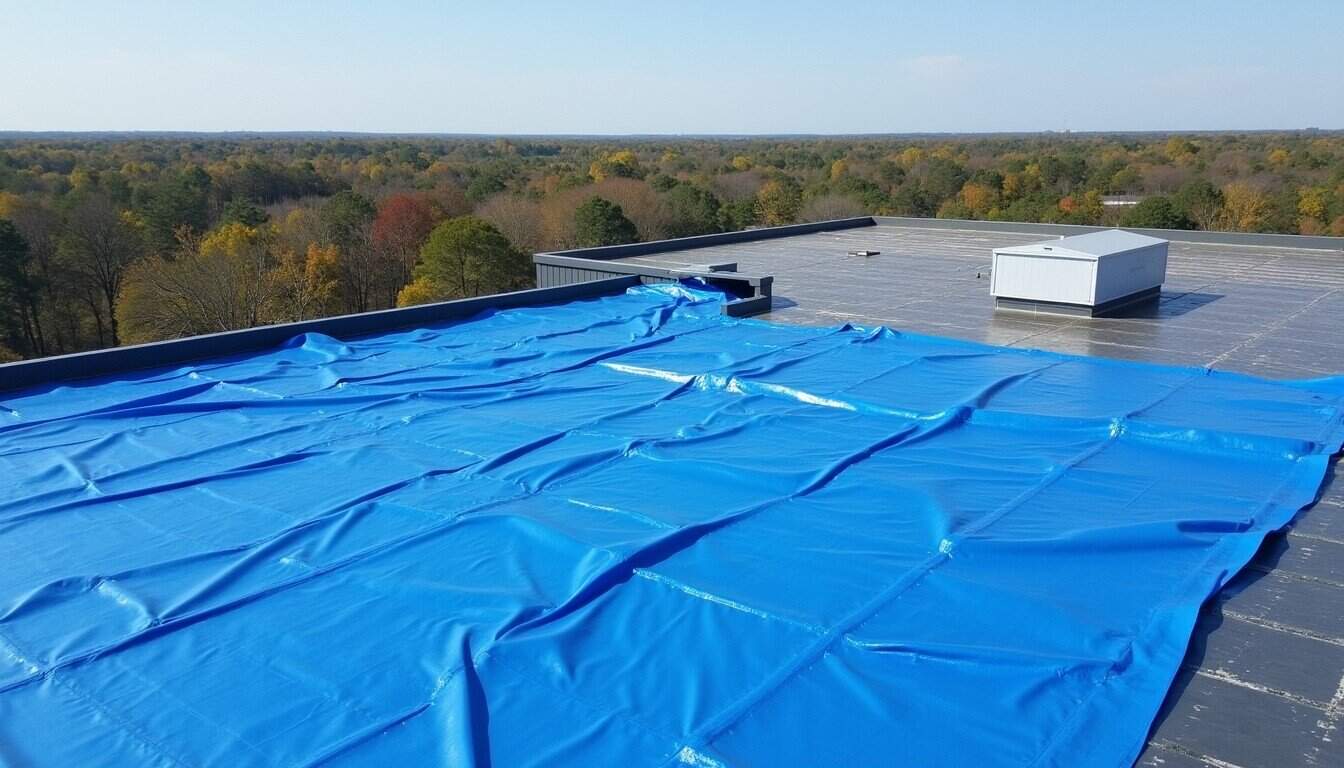
Need help with medical building roofing?
Send the building address, known roof age, access notes, and what changed. We will respond with the right next step.