
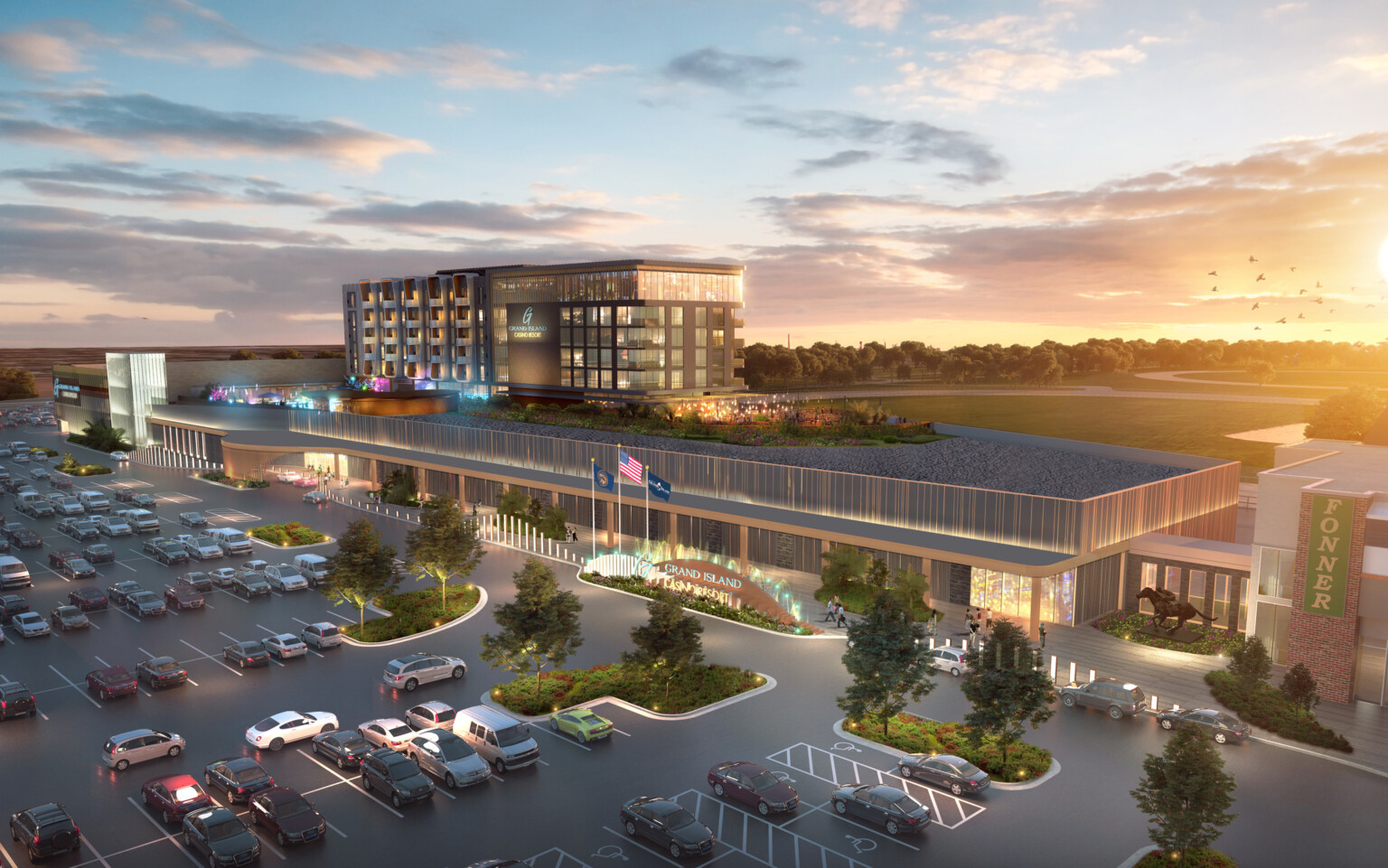
Hotel and Hospitality Property Roofing.
Hotel and Hospitality Property Roofing support in New Orleans, LA, with documented inspections, written scopes, and practical roof planning for commercial properties.
What this roof work solves
Hotel and Hospitality Property Roofing in New Orleans should begin with a documented roof walk. The first job is to identify active water entry, drainage problems, membrane condition, edge details, rooftop equipment conflicts, and weather exposure before a price or schedule is discussed.
For commercial owners, the useful answer is rarely a one-line recommendation. The roof file should explain the work area, the reason for the scope, the access constraints, and the next maintenance decision.
How the scope is built
The scope is based on service scope, building use, roof age, visible defects, and the cost difference between immediate repair and longer-range planning. When repair is enough, the work stays focused. When replacement or recover planning is the responsible move, the reasoning is written plainly.
Each finished project should leave behind before-and-after photos, service notes, and follow-up items so the owner keeps a record for future inspections, budgeting, and vendor conversations.
Commercial roofing for full-service hotels, limited-service hotels, extended-stay properties, and hospitality brands throughout New Orleans, LA.
New Orleans hotels operate in one of the most demanding physical environments in the United States, and the roofing system is where that demand is felt most acutely. The combination of subtropical heat, near-constant high humidity, intense UV radiation, heavy rainfall concentrated in summer months, and the ever-present threat of hurricane landfall creates a set of roofing stresses that operate simultaneously rather than seasonally. A hotel roof on Canal Street, in the Central Business District, or along the Warehouse Arts District hospitality corridor must be specified and installed with all of these factors in mind, because a system that handles two of the three well but fails on the third will still produce an expensive, reputation-damaging leak at the worst possible time.
The New Orleans hotel market is defined by event-driven demand—Jazz Fest, French Quarter Festival, Essence Fest, Super Bowl returns, and the year-round draw of Bourbon Street, the Garden District, and the French Quarter—that keeps occupancies high during precise calendar windows when a roofing failure would carry maximum financial impact. Hoteliers managing properties like those on St. Charles Avenue, in the Marigny, or around the Ernest N. Morial Convention Center know that a ceiling leak during a citywide sell-out weekend is not just a maintenance event; it is a social media story, a potential brand standard violation, and a guest relations expense that can exceed the cost of the deferred roofing investment that caused it. We build project schedules around New Orleans' event calendar rather than requiring hotel operators to work around our schedule.
Property improvement plans for New Orleans branded hotels carry an additional layer of complexity because many of the city's hotel properties occupy historic structures subject to oversight by the Historic District Landmarks Commission or the Vieux Carré Commission. Roofing work on buildings within these jurisdictions requires materials and installation methods compatible with historic preservation standards—specific membrane colors, restricted parapet profiles, and constraints on mechanical equipment placement that affect how rooftop HVAC and drainage infrastructure are configured. We have navigated HDLC and VCC review processes and can manage the pre-application consultation, drawing submission, and commission presentation that these projects require.
Hurricane resilience is not an abstract design goal for New Orleans hoteliers—it is the specific lesson absorbed from Katrina, Ida, and every named storm since. We install roof systems with enhanced perimeter securement using code-compliant edge metal fastened to meet Miami-Dade or ASCE 7 wind uplift requirements for this coastal zone, and we anchor all rooftop equipment curbs to structural members rather than relying on membrane adhesion alone. In the aftermath of a hurricane, hotels that can document a properly installed and maintained roof system recover from insurance claims faster and face less coverage dispute than properties whose roofing records are incomplete.
Extended-stay and suite hotels serving New Orleans' significant medical and legal tourism sectors—the LSU Health New Orleans and Tulane Medical Center corridors, and the downtown legal district—have a guest base that expects consistent comfort and tolerates construction disruption poorly. We have developed a noise mitigation protocol for New Orleans hotel projects that limits pneumatic equipment use to the 8 AM to 3 PM window, schedules tear-off operations away from occupied suites by working across the roof field in sections that move progressively away from the highest-occupancy zones, and uses vacuum debris removal where feasible to minimize the duration of dumpster-adjacent staging near hotel parking areas.
Pool deck waterproofing at New Orleans hotel properties is a high-stakes roofing application because the pool amenity is central to the guest experience year-round in the subtropical climate. Rooftop pools at properties like the Renaissance Arts Hotel or the Ace Hotel have structural waterproofing systems beneath the deck finish that must remain watertight against a combination of pool chemical vapor, thermal expansion of the deck surface, and the impact loading from poolside furniture and foot traffic. We specify structural waterproofing membranes with a traffic-rated topping assembly for all occupied hotel rooftop surfaces and provide a maintenance protocol for the deck surface that protects the underlying waterproofing from mechanical damage during routine operations.
New Orleans' below-sea-level topography creates drainage challenges that are unique in the national hotel market. Roof drains must be sized and maintained to handle rainfall rates that consistently exceed those of most other U.S. cities, and the municipal drainage infrastructure that the drains discharge to can reach capacity during peak storm events, creating backpressure that can force water upward through drain bodies if check valves are not properly installed and maintained. We include drain backflow prevention in our standard specification for New Orleans hotel projects and verify that existing drain assemblies are compatible with this protection before signing off on any completed installation.
The boutique hotel sector in New Orleans has expanded dramatically in recent years, with developers converting historic Creole townhouses, warehouses, and office buildings throughout the Warehouse District, the Lower Garden District, and even in emerging neighborhoods like the Bywater. These properties frequently have structural roofing conditions—original cast-iron framing, deteriorated wood decking, inadequate parapet height above the membrane surface—that require structural remediation before a new roofing system can be installed. We engage with structural engineers early in the assessment process and provide hotel owners with a complete picture of what a proper roofing renovation will require before committing to a budget or timeline.
Preventive maintenance for New Orleans hotels is most critical in the June-to-November hurricane season, but the spring months immediately prior are the optimal time to complete drain cleaning, penetration reseal, and any minor membrane repairs that accumulated over the winter. An inspection in April or May allows sufficient lead time to procure any replacement materials and schedule contractor visits before storm season demands limit availability. After a named storm passes within 50 miles of New Orleans, our service agreement clients receive a priority inspection within 48 hours to identify and document any storm damage before secondary water infiltration compounds the original impact.
Can you repair a leaking BUR roof on a New Orleans building without full replacement?
Sometimes. If the leak source is an isolated failed flashing at a penetration or parapet — and core cuts show the BUR field plies are otherwise dry and intact — targeted repair is the appropriate scope. If the leak is coming from degraded plies in the roof field, patching the visible wet spot without addressing the ply failure produces another leak nearby within a season or two. In a market where the next tropical rain event may arrive before the targeted repair has time to prove out, that distinction matters more than it does in other markets. We tell you which situation you are in before we propose a scope.
How do you manage gravel removal during BUR tear-off in a dense urban New Orleans location?
Gravel-surfaced BUR tear-off is labor-intensive and generates significant debris volume. On CBD, French Quarter, and Warehouse District buildings with constrained street access, we use rooftop vacuum systems that collect the gravel without staging loose aggregate at the curb. Street-use permits for dumpster placement in the French Quarter and the Downtown Development District require advance coordination with the City of New Orleans — we handle that permitting before mobilization.
Questions to settle early
Where is the risk?
Locate leaks, wet-insulation indicators, open seams, weak flashing, and drainage restrictions across the roof.
What can wait?
Separate immediate work from maintenance items that can be tracked for the next service window.
What should be funded?
Build a practical recommendation for repair, coating, recover, or replacement planning.
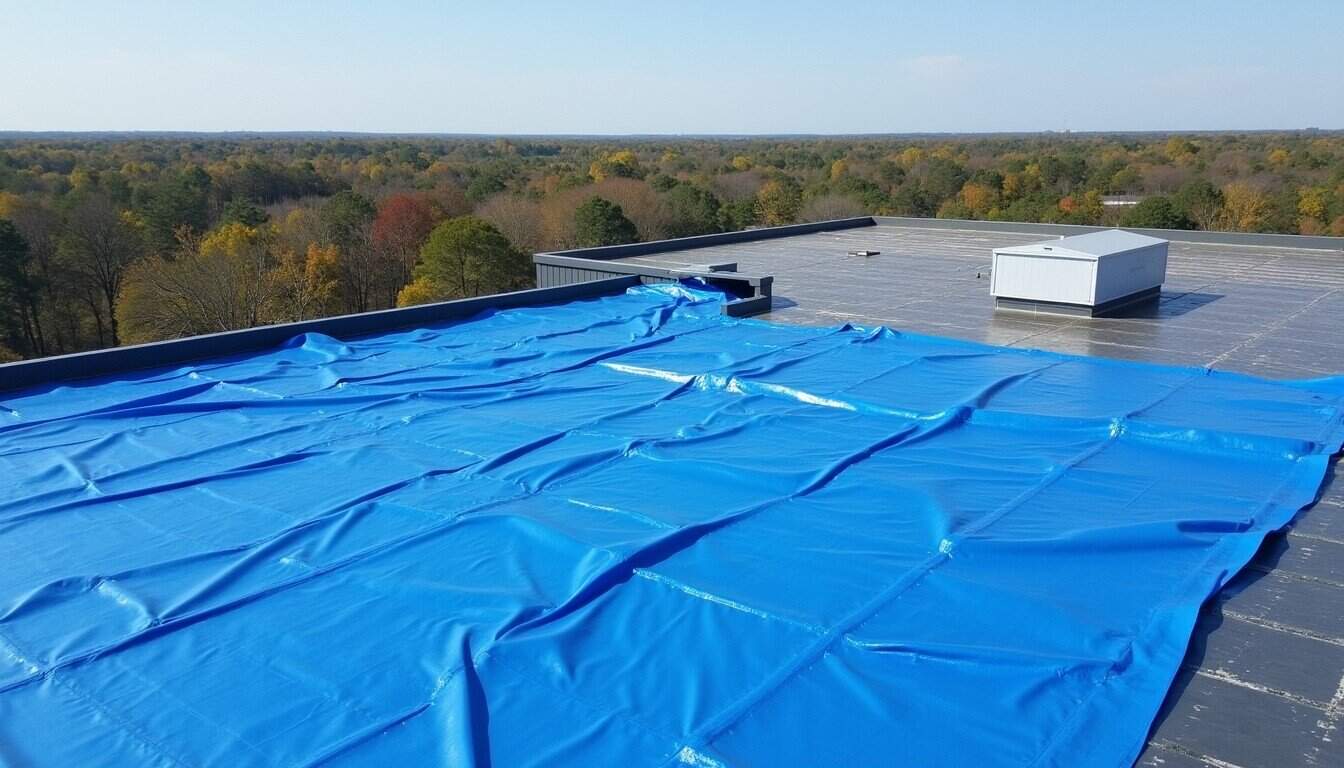
Need help with hotel and hospitality property roofing?
Send the building address, known roof age, access notes, and what changed. We will respond with the right next step.