
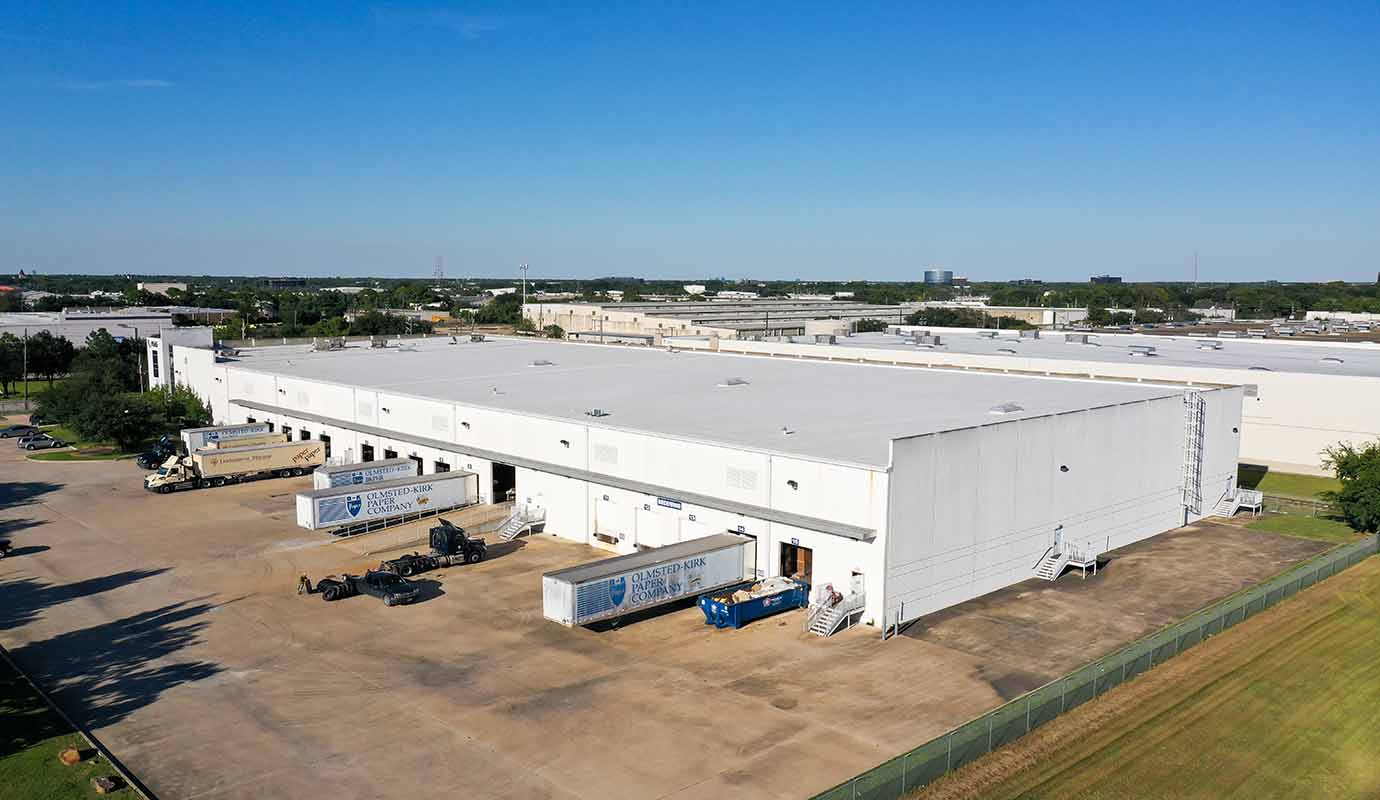
REIT Roofing Services.
REIT Roofing Services support in New Orleans, LA, with documented inspections, written scopes, and practical roof planning for commercial properties.
What this roof work solves
REIT Roofing Services in New Orleans should begin with a documented roof walk. The first job is to identify active water entry, drainage problems, membrane condition, edge details, rooftop equipment conflicts, and weather exposure before a price or schedule is discussed.
For commercial owners, the useful answer is rarely a one-line recommendation. The roof file should explain the work area, the reason for the scope, the access constraints, and the next maintenance decision.
How the scope is built
The scope is matched to operating requirements, building use, roof age, visible defects, and the cost difference between immediate repair and longer-range planning. When repair is enough, the work stays focused. When replacement or recover planning is the responsible move, the reasoning is written plainly.
Each finished project should leave behind before-and-after photos, service notes, and follow-up items so the owner keeps a record for future inspections, budgeting, and vendor conversations.
Commercial roofing programs for REITs and institutional real estate investors managing commercial property portfolios throughout New Orleans, LA.
New Orleans occupies one of the most distinctive positions in U.S. commercial real estate — a dense, historically significant urban market that attracts institutional capital from REITs with hospitality, retail, and industrial exposure while carrying a building stock and climate risk profile unlike any other major American city. Whitestone REIT and W. P. Carey have held diversified net lease commercial assets in Louisiana, and industrial REITs with Gulf Coast logistics exposure have built positions along the New Orleans industrial corridor that lines the Mississippi River. What makes New Orleans categorically different for REIT roofing programs is the combination of hurricane vulnerability, extreme rainfall, and the elevated humidity environment that accelerates roofing system degradation at rates that require calibration against local — not national — experience data.
Hurricane risk in New Orleans is not an abstract underwriting variable but a historical certainty that has reshaped the city's entire built environment. The post-Katrina rebuilding period introduced a generation of commercial buildings designed to updated wind load requirements and waterproofing standards, but significant pre-Katrina commercial inventory remains in the market — assets that were repaired rather than replaced and that carry the legacy vulnerabilities of older construction standards. REITs acquiring New Orleans commercial properties must assess not just current membrane condition but the underlying structural context: was the building rebuilt or significantly renovated post-Katrina, or does it carry the original framing and deck that may have been compromised by storm events and never fully restored to original design strength?
New Orleans receives over 64 inches of annual rainfall, distributed across a calendar that includes the summer thunderstorm season and the fall hurricane season — months when the city is simultaneously at greatest precipitation risk and most exposed to severe weather damage. Roofing systems in this environment are under near-constant moisture loading, and any drainage deficiency becomes a chronic operational problem rather than an occasional inconvenience. The city's below-sea-level topography means that street flooding events can elevate water tables around building foundations and increase the moisture loading on below-deck assemblies in ways that compound the roofing system's moisture burden from above.
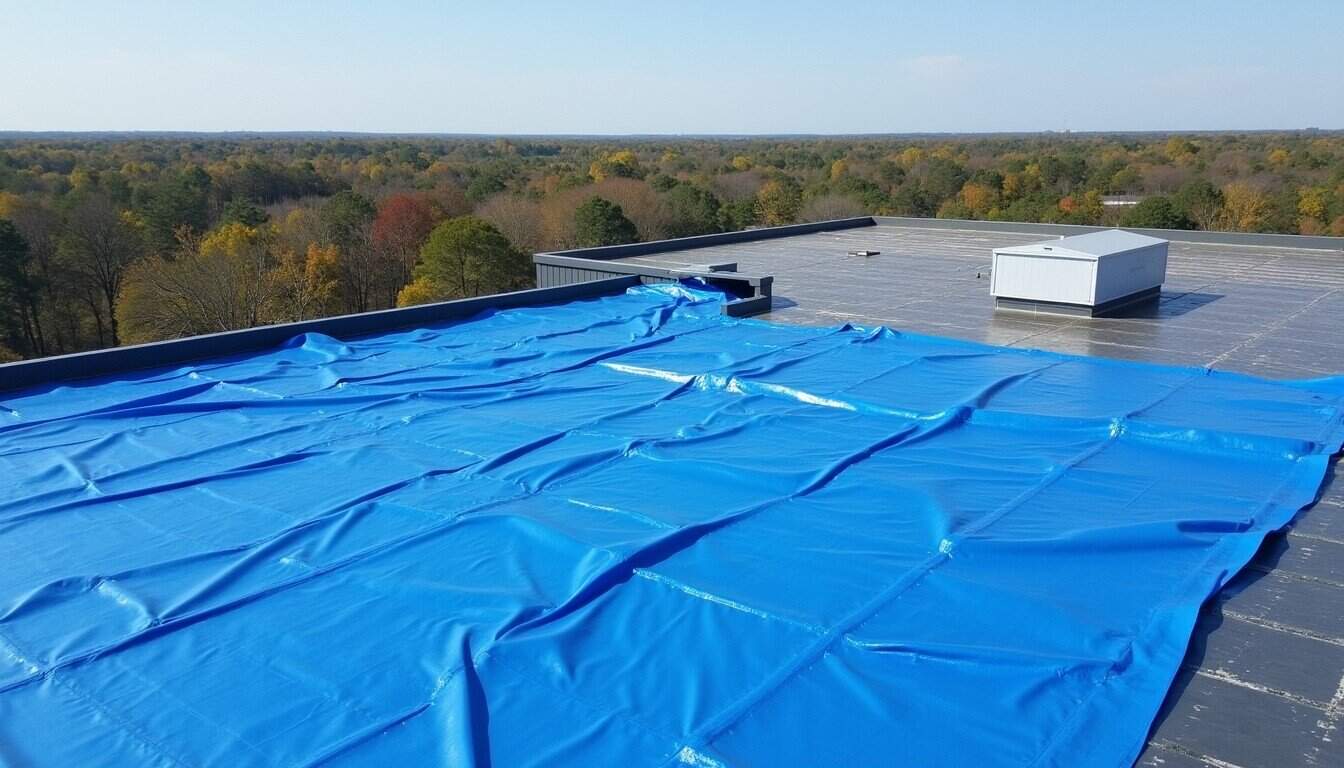
Multi-property master service agreements for REIT portfolios in New Orleans must address hurricane preparedness as a core program component rather than an appendix. Pre-season inspections in April and May — before the June 1 official hurricane season start — serve as both a maintenance intervention and a documentation baseline. Flashings, membrane attachment, parapet cap conditions, and drainage adequacy are assessed and deficiencies corrected before the high-risk window opens. The preferred vendor should also maintain emergency response protocols that define post-storm mobilization procedures, pre-positioned tarping materials, and the documentation standards needed to support insurance claims in a market where every major storm triggers a surge in competing claims and adjuster attention is a scarce commodity.
Property condition assessments for New Orleans commercial acquisitions require assessors who understand the city's specific building stock and its history. Many commercial buildings in New Orleans have flat or very low-slope roofs over wood framing — a construction tradition common in the Gulf South that creates different failure modes than the steel-framed industrial buildings dominant in most other major REIT markets. Wood decking is more susceptible to moisture damage, less tolerant of standing water, and harder to assess for latent structural compromise than steel or concrete decks. A PCA that applies a standard industrial assessment protocol to a New Orleans historic commercial building without adjusting for these structural differences will produce an inaccurate reserve opinion.
The economic character of New Orleans commercial real estate — hospitality, entertainment, retail, and food service concentrated in the French Quarter and Central Business District — creates a specific NOI sensitivity to roofing failures. Tourism-dependent tenants cannot operate during interior damage remediation, and a roof leak event in a hospitality or food service location may trigger immediate closure while the damage is assessed and repaired. For a REIT holding retail or hospitality-adjacent commercial assets in the CBD or French Quarter, a single significant roof event at the wrong time of year — Mardi Gras, Jazz Fest, Super Bowl season — can translate into tenant revenue losses that trigger lease remedy claims and damage the landlord relationship with operators who have no alternative locations.
The insurance market for New Orleans commercial properties has tightened dramatically in the post-Katrina period, with wind and flood coverage among the most expensive in the country and several major carriers having exited the Louisiana market entirely. REITs holding New Orleans assets carry insurance programs that include substantial wind and hail deductibles — often 2 to 5 percent of insured value for named storm events — meaning that a major hurricane creating roofing damage across a multi-property portfolio will generate out-of-pocket costs running into millions of dollars before insurance responds. The reserve model must carry a named storm reserve funded annually to absorb these deductibles rather than treating hurricane damage as an insurance pass-through.
Ten-year CAPEX models for New Orleans commercial portfolios must reflect the premium costs of roofing work in a market where skilled contractors are less abundant than in major Northern cities, where material freight costs to coastal Louisiana add to base pricing, and where permitting and inspection processes in the City of New Orleans can add time to project schedules. The model should also reflect the shortened effective service life of roofing systems in the city's extreme UV and humidity environment — a meaningful downward adjustment from national warranty period assumptions that can materially change the timing of reserve-funded replacement events.
Commercial roofing vendors seeking preferred status with New Orleans REITs need to demonstrate hurricane preparedness capabilities, experience with the city's diverse building stock and construction traditions, and the documentation infrastructure that institutional asset managers require for insurance claims and investor reporting. In a market where the consequence of a roofing failure during a major event is measured not just in repair costs but in tenant revenue losses and lease relationship damage, the contractor who brings institutional-grade program management to a historically relationship-driven local market occupies a genuinely differentiated competitive position.
Can you work on a live New Orleans data center without interrupting cooling systems?
Yes, but it requires the facility manager's active cooperation on the production schedule. We build the sequence around the cooling system's maintenance windows, work cooling-adjacent penetrations during planned low-load periods, and never disturb any mechanical penetration without the facility's written approval for that specific action on that specific date. We do not make unilateral decisions about cooling system access.
How does hurricane season affect a data center roofing project in New Orleans?
During hurricane season (June through November), we maintain a standing dry-in protocol — no section of roof is left open overnight, all open penetrations sealed before crew departure. We communicate this protocol in pre-construction so the production timeline accounts for weather windows. If a tropical weather event develops while production is active, we close and dry-in all open sections before securing the site.
Questions to settle early
Where is the risk?
Locate leaks, wet-insulation indicators, open seams, weak flashing, and drainage restrictions across the roof.
What can wait?
Separate immediate work from maintenance items that can be tracked for the next service window.
What should be funded?
Build a practical recommendation for repair, coating, recover, or replacement planning.
Need help with REIT roofing services?
Send the building address, known roof age, access notes, and what changed. We will respond with the right next step.