
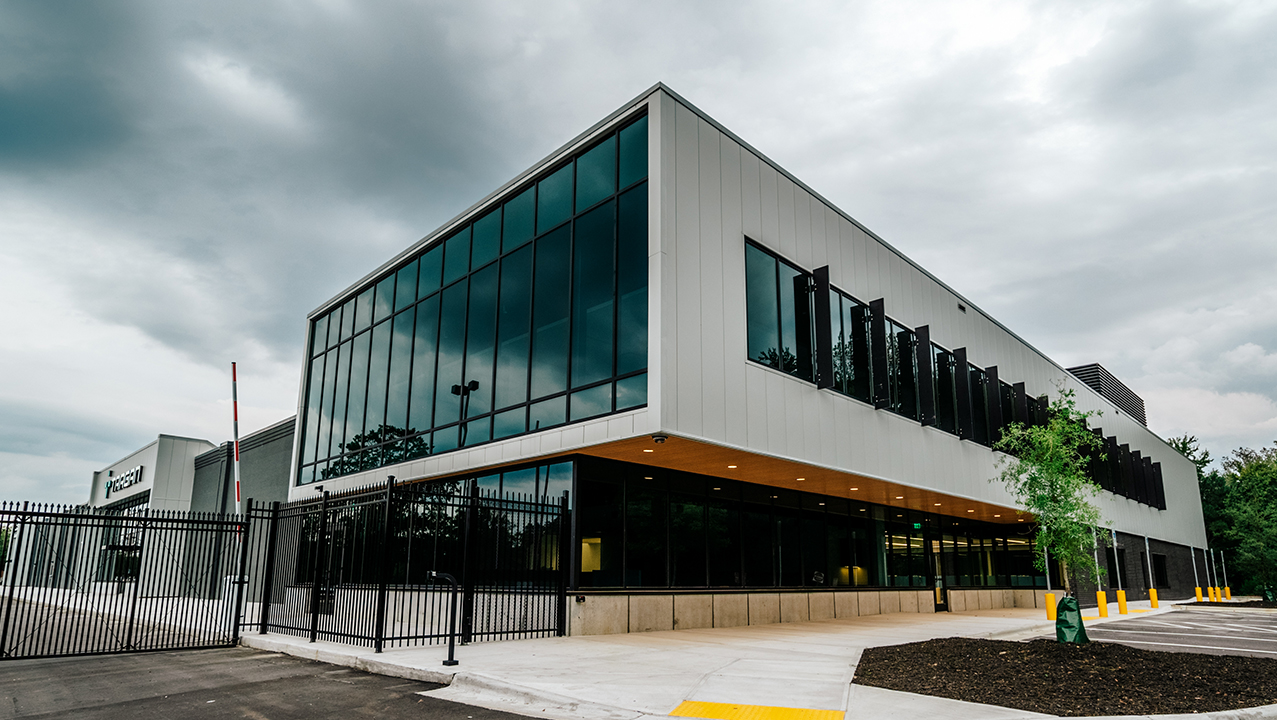
Pharmaceutical & Lab Roofing.
Pharmaceutical & Lab Roofing support in New Orleans, LA, with documented inspections, written scopes, and practical roof planning for commercial properties.
What this roof work solves
Pharmaceutical & Lab Roofing in New Orleans should begin with a documented roof walk. The first job is to identify active water entry, drainage problems, membrane condition, edge details, rooftop equipment conflicts, and weather exposure before a price or schedule is discussed.
For commercial owners, the useful answer is rarely a one-line recommendation. The roof file should explain the work area, the reason for the scope, the access constraints, and the next maintenance decision.
How the scope is built
The scope is geared to building use, building use, roof age, visible defects, and the cost difference between immediate repair and longer-range planning. When repair is enough, the work stays focused. When replacement or recover planning is the responsible move, the reasoning is written plainly.
Each finished project should leave behind before-and-after photos, service notes, and follow-up items so the owner keeps a record for future inspections, budgeting, and vendor conversations.
Roofing where a single leak can ruin a batch
On most commercial buildings, a roof leak is an inconvenience. Over a pharmaceutical cleanroom, a compounding suite, or a clinical lab bench, it is a contamination event. A few drops of water finding their way onto a sterile fill line, a stability chamber, or a rack of analytical instruments can force a product hold, an investigation, and a write-off that dwarfs the cost of the roof itself. We approach laboratory and pharmaceutical roofing with that asymmetry front of mind. The job is not just to keep water out on an average day. It is to engineer a roof that holds through a Gulf Coast downpour, a tropical system, and a decade of subtropical heat without a single drop reaching the controlled space below.
Around New Orleans, this building type clusters in a few places. The BioDistrict and the medical campuses near downtown house research and clinical labs. There are specialty compounding pharmacies and diagnostic labs spread through the Metairie and Jefferson Highway medical corridors, and contract testing and life-sciences tenants occupying flex space out in Elmwood and Harahan. Each one shares the same intolerance for water intrusion over sensitive areas, and each one sits in a climate that puts more water on the roof, faster, than almost anywhere in the country.
Cleanroom HVAC turns the roof into a maze of curbs
What makes a lab roof technically hard is everything sitting on top of it. Cleanroom air handlers, HEPA-filtered exhaust, fume hood and isolator stacks, process chilled water lines, reheat coils, and building automation conduit all penetrate the deck, often in tight clusters that leave little room to flash each one correctly. Every curb is a potential leak path, and on a controlled facility every one of them sits directly above something that cannot get wet.
We detail these penetrations individually rather than running a single generic curb detail across the roof. Tall, properly counterflashed curbs, sealed pipe penetrations, and reinforced membrane around equipment stands are the difference between a roof that holds and one that nuisance-leaks for years. Where a cleanroom maintains a pressure relationship to the spaces around it, we coordinate with the facility's mechanical team before we open or reflash anything near supply and exhaust connections, so the room's pressure cascade is not disturbed and is verified back to spec when we are done. We also keep our work area clean of debris that could be drawn into intakes serving the controlled envelope.
Exhaust chemistry and membrane compatibility
Lab and pharmaceutical exhaust is not benign air. Solvent vapors, acid fumes, and other process exhaust can condense on stacks and drip onto the surrounding membrane, creating localized chemical attack that a standard membrane warranty will not cover. Before we specify the field membrane around exhaust stacks, we identify what those stacks actually discharge with the facility's environmental and engineering staff. In aggressive exhaust zones we lean toward chemically resistant PVC and corrosion-resistant flashing metals, and we treat the area immediately downwind of a stack as a different specification than the open field of the roof.
Credentialed access and the documentation a regulated site expects
A roofing crew cannot simply show up at a GMP facility. Access takes advance credentialing, background coordination, escort arrangements, and sometimes restrictions on which areas a worker can be near. We start that process during pre-construction, weeks ahead of mobilization, so the full crew is cleared before day one rather than losing a mobilization to a badge problem. We also plan rooftop staging and crane or hoist picks so that nothing swings over occupied controlled space or critical intakes.
Quality teams at these facilities expect a closeout package that matches the rigor of the rest of their operation. We provide material submittals for engineering review, daily work logs, manufacturer installation documentation, system approval records where required, photographic condition documentation, and warranty registration, formatted to fit the facility's document control system. The roof becomes part of the building record, not a folder of receipts in a drawer.
New Orleans gives a lab roof everything to push against. Rainfall here regularly arrives in intense bursts that overwhelm marginal drainage, and ponding water over a flat lab roof is both a membrane-aging problem and a standing reservoir directly above sensitive space. We design positive drainage with tapered insulation to the actual drain locations, add overflow protection, and never recover over wet insulation, because trapped moisture in this humidity does not dry back out and will corrode the deck while hiding under an intact-looking surface. For wind, the high uplift exposure of the region means attachment and perimeter detailing are engineered to the building, and any open deck is dried in the same day it is opened. We will not leave a controlled facility exposed overnight in hurricane country.
How do you guarantee no water reaches our cleanroom during the work?
We sequence the project so only a small, fully controllable section is open at any time, and that section is dried in watertight the same day. Penetration and curb work near critical areas is scheduled in coordination with your facilities team, often during planned HVAC windows, and we maintain temporary protection over sensitive zones. In this climate, same-day dry-in is a firm rule, not a goal.
Questions to settle early
Where is the risk?
Locate leaks, wet-insulation indicators, open seams, weak flashing, and drainage restrictions across the roof.
What can wait?
Separate immediate work from maintenance items that can be tracked for the next service window.
What should be funded?
Build a practical recommendation for repair, coating, recover, or replacement planning.
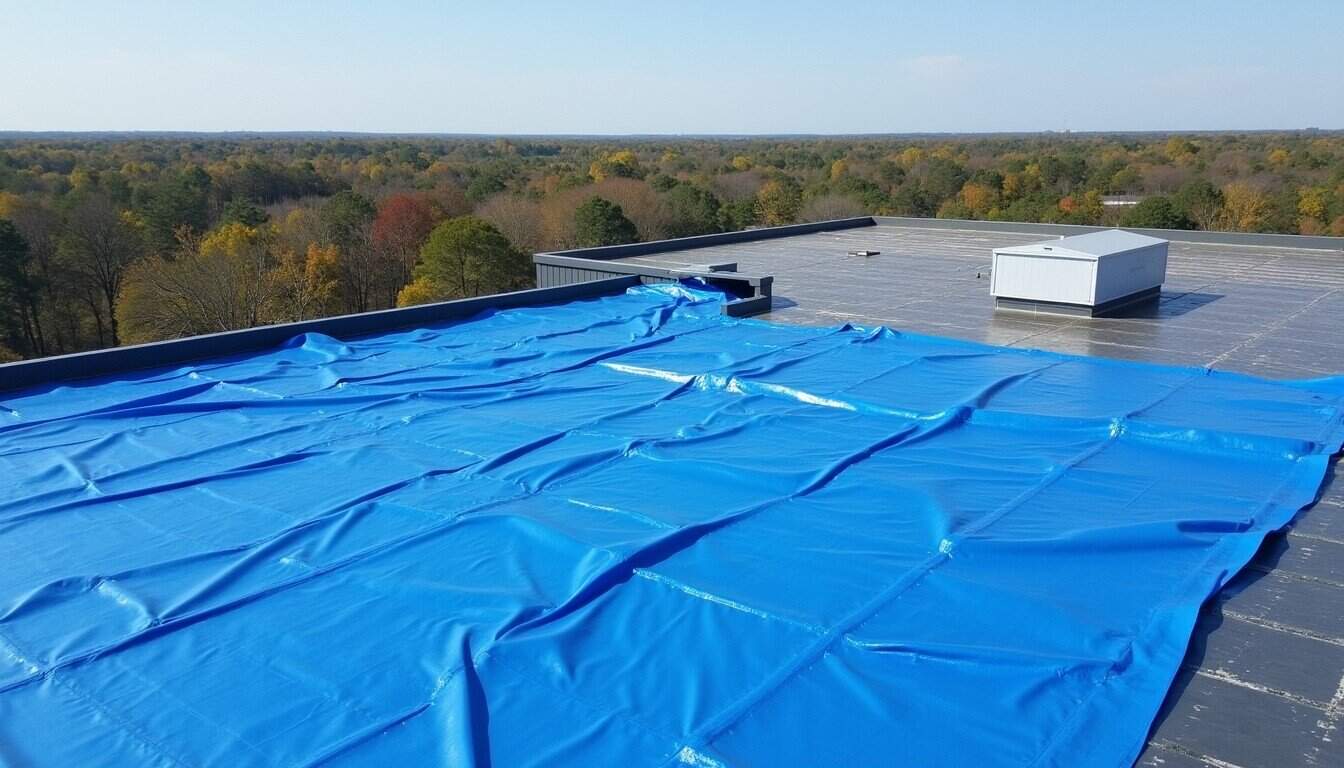
Need help with pharmaceutical & lab roofing?
Send the building address, known roof age, access notes, and what changed. We will respond with the right next step.