
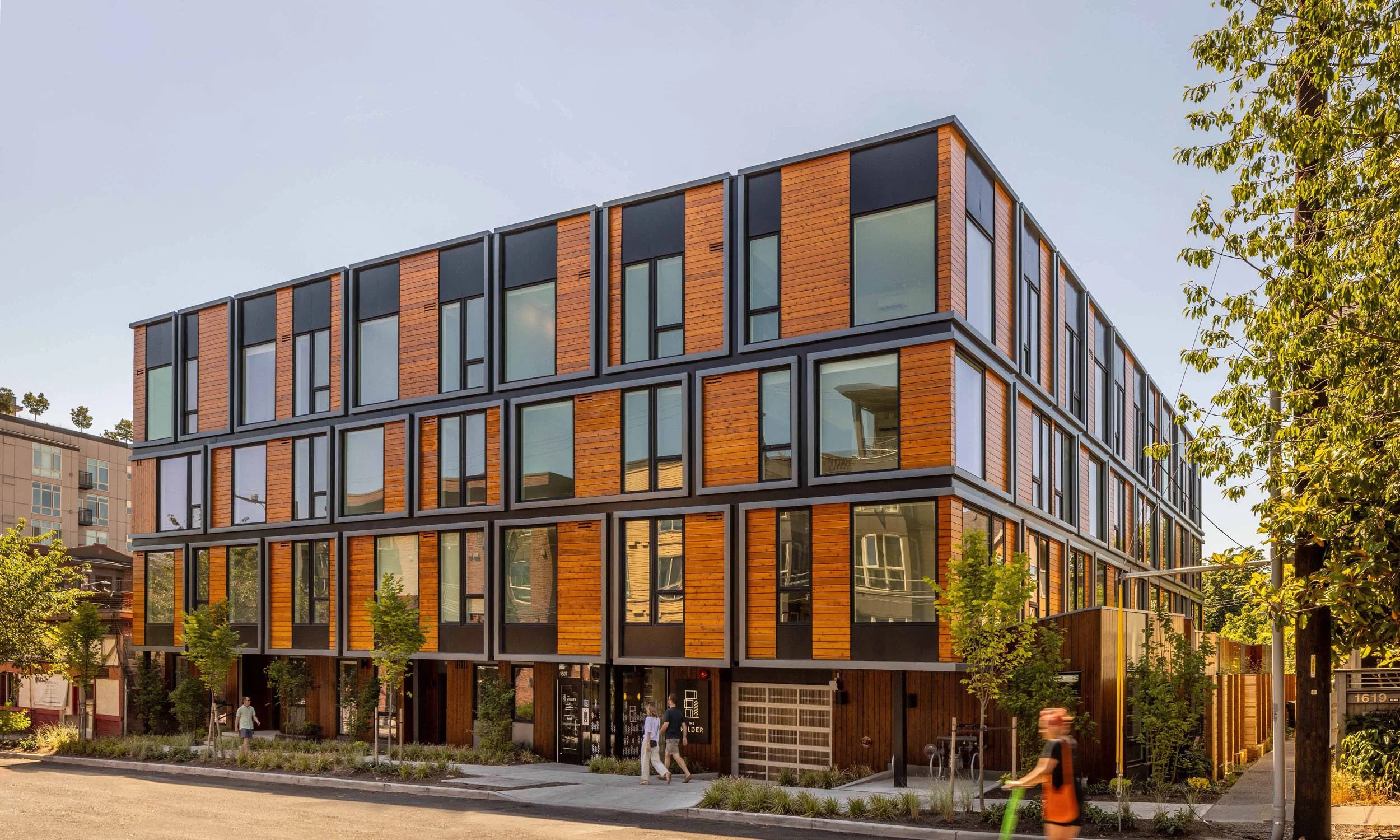
Multifamily Roofing.
Multifamily Roofing support in New Orleans, LA, with documented inspections, written scopes, and practical roof planning for commercial properties.
What this roof work solves
Multifamily Roofing in New Orleans should begin with a documented roof walk. The first job is to identify active water entry, drainage problems, membrane condition, edge details, rooftop equipment conflicts, and weather exposure before a price or schedule is discussed.
For commercial owners, the useful answer is rarely a one-line recommendation. The roof file should explain the work area, the reason for the scope, the access constraints, and the next maintenance decision.
How the scope is built
The scope is geared to building use, building use, roof age, visible defects, and the cost difference between immediate repair and longer-range planning. When repair is enough, the work stays focused. When replacement or recover planning is the responsible move, the reasoning is written plainly.
Each finished project should leave behind before-and-after photos, service notes, and follow-up items so the owner keeps a record for future inspections, budgeting, and vendor conversations.
Lakeview's garden-style apartment stock — the post-Katrina rebuild corridor between Robert E. Lee Boulevard and the 17th Street Canal — represents a third major multifamily roofing type. These three-story walk-up buildings with pitched or low-slope roofs are entering their first major replacement cycles, and many of the post-Katrina replacement systems installed between 2008 and 2013 were not specified to current Louisiana wind-uplift code requirements.
Resident Disruption Planning on Occupied Multifamily Buildings
Canal Street mid-rise buildings require elevator coordination for material staging — freight elevator scheduling and weight-limit documentation are part of our pre-construction scope on every mid-rise multifamily project. On garden-style Lakeview buildings where exterior stair and balcony access is the primary means of egress, we maintain open egress paths from all occupied units throughout every phase of production and never stage materials or equipment in a position that blocks a resident's primary exit route.
Historic Construction Challenges: Marigny and Bywater Flat Buildings
Shotgun-style flat buildings in the Marigny and Bywater neighborhoods present roof conditions that require pre-bid inspection rather than phone-quote scoping. Original wood decking — often cypress board or early 20th-century pine — is common on buildings that have not undergone substantial renovation. Moisture intrusion over decades of use has compromised deck integrity in ways that are not visible from a street-level or interior inspection. We pull deck cores before finalizing any Marigny or Bywater flat-building scope and document deck condition findings before specifying the replacement system.
Parapet conditions on historic Marigny and Bywater buildings are almost always a project variable. Historic masonry parapets in this area were not built to modern through-wall flashing standards, and the parapet cap and through-wall flashing conditions we find on pre-bid inspection determine how much parapet work goes into the scope. We document parapet conditions in the pre-bid inspection report so the scope reflects actual conditions — not an assumption that the parapet cap is serviceable.
Wind-Uplift Engineering on Post-Katrina Multifamily Buildings
The post-Katrina multifamily rebuild inventory across Lakeview, Mid-City, and Gentilly — buildings constructed or substantially reroofed between 2007 and 2014 — represents the most active reroof segment in the New Orleans multifamily market right now. Ida damage in 2021 revealed that a number of these systems were installed with fastener patterns that met the pre-2006 Louisiana building code but not the hardened post-Katrina wind-uplift amendments. Garden-style walk-up buildings in exposed areas of Lakeview — near the 17th Street Canal and the Lake Pontchartrain lakefront — carry elevated perimeter exposure that was not always reflected in the original post-Katrina reroof specifications.
We run the ASCE 7 wind-uplift calculation for every multifamily reroof project and document the design in the project closeout file. On Lakeview and lakefront-adjacent multifamily buildings, we specify edge metal to FM 4435 and ANSI/SPRI ES-1 standards — the lightweight aluminum edge metal installed on many post-Katrina builds does not
How do you handle roof work on occupied Marigny or Bywater flat buildings?
Pre-bid deck core pulls, resident notification letters distributed at least 10 days before production, early-morning heavy-equipment windows, and same-day dry-in on every section. On narrow Marigny lots with limited staging space, we coordinate with the property owner on sidewalk staging permits from the City of New Orleans Department of Public Works before mobilization.
What causes post-Katrina Lakeview apartment buildings to need early replacement?
The primary causes are under-specified fastener patterns that failed during Ida in 2021, lightweight edge metal that separated at perimeter during wind events, and in some cases, modified bitumen systems installed with adhesion to pre-2005 code standards that do not We audit attachment documentation before scoping replacement and document findings in the assessment report.
Do historic Marigny flat buildings require special permits?
Questions to settle early
Where is the risk?
Locate leaks, wet-insulation indicators, open seams, weak flashing, and drainage restrictions across the roof.
What can wait?
Separate immediate work from maintenance items that can be tracked for the next service window.
What should be funded?
Build a practical recommendation for repair, coating, recover, or replacement planning.
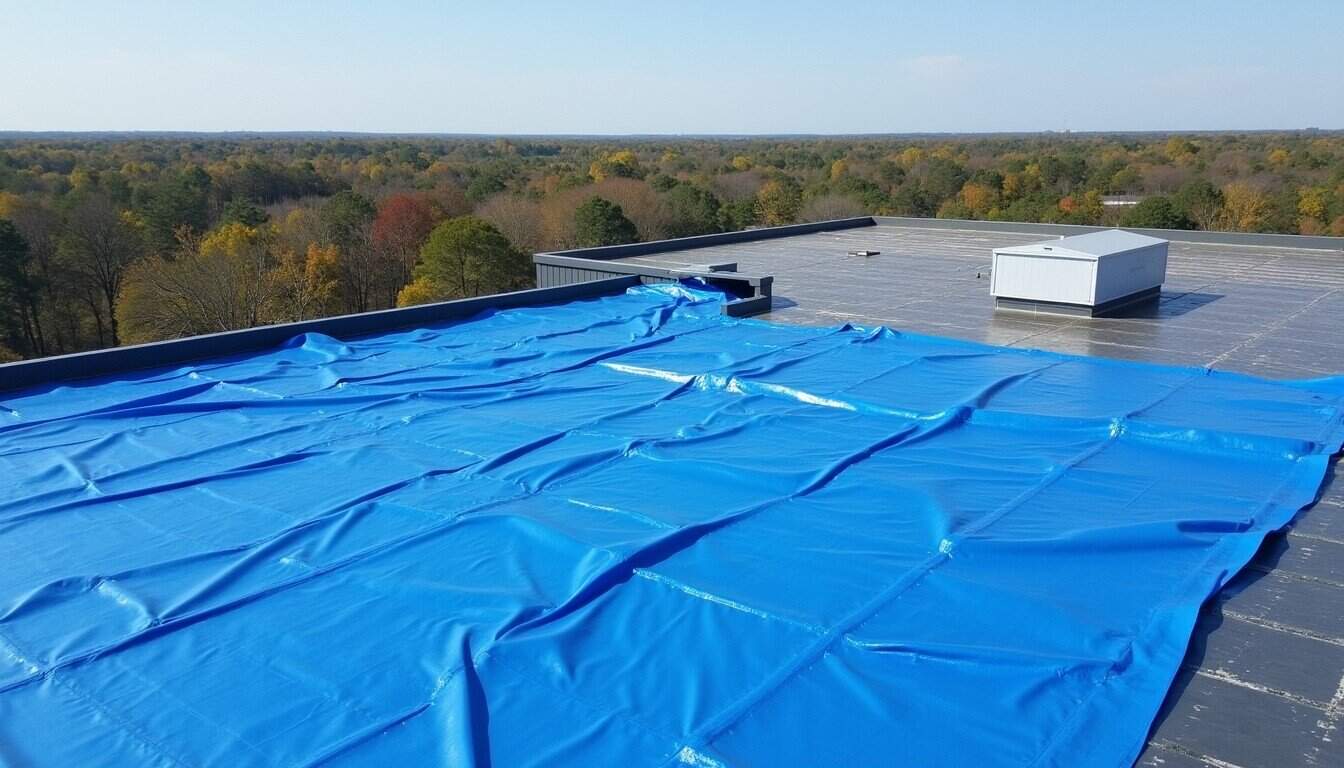
Need help with multifamily roofing?
Send the building address, known roof age, access notes, and what changed. We will respond with the right next step.