
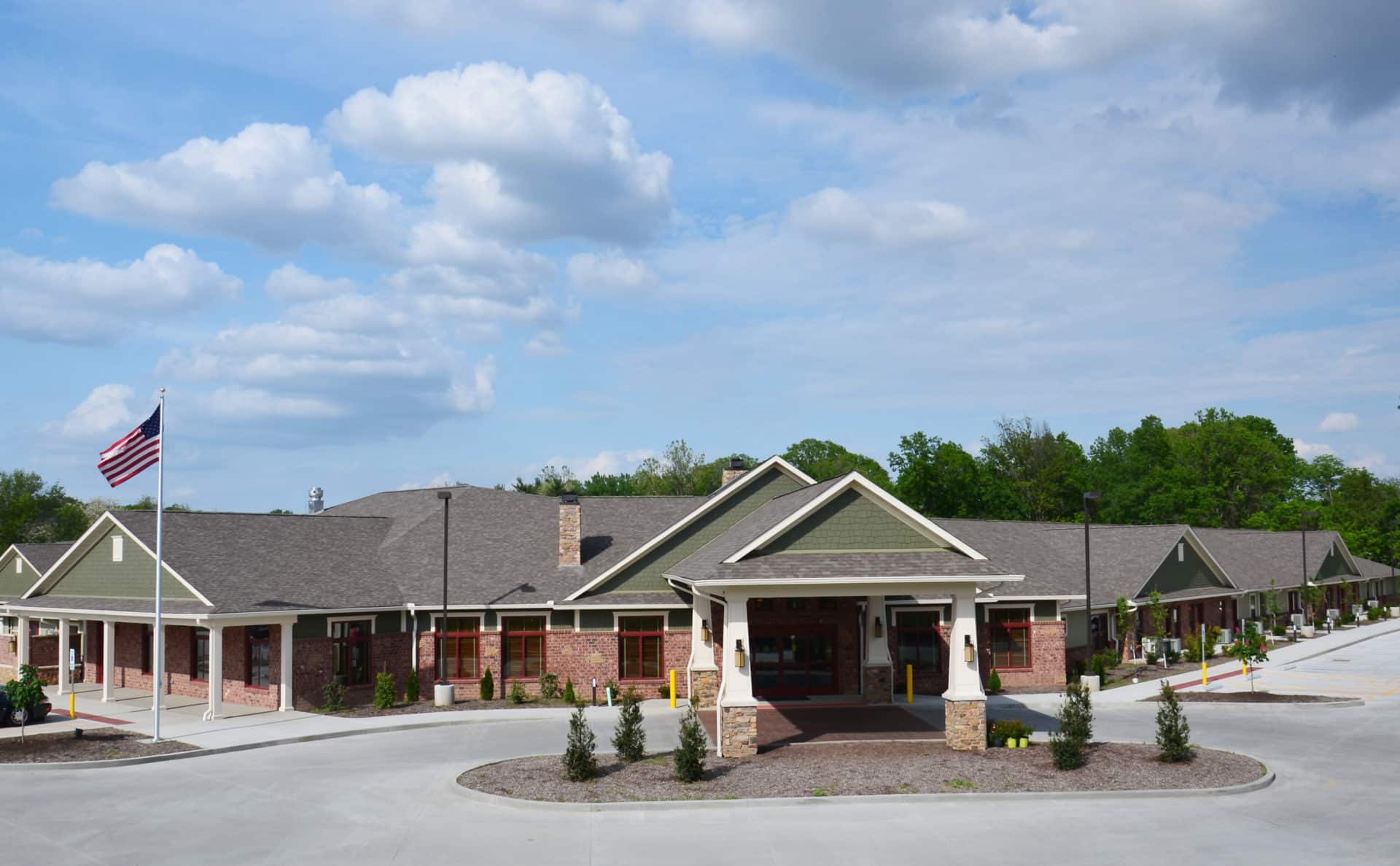
Senior Living Facility Roofing.
Senior Living Facility Roofing support in New Orleans, LA, with documented inspections, written scopes, and practical roof planning for commercial properties.
What this roof work solves
Senior Living Facility Roofing in New Orleans should begin with a documented roof walk. The first job is to identify active water entry, drainage problems, membrane condition, edge details, rooftop equipment conflicts, and weather exposure before a price or schedule is discussed.
For commercial owners, the useful answer is rarely a one-line recommendation. The roof file should explain the work area, the reason for the scope, the access constraints, and the next maintenance decision.
How the scope is built
The scope is geared to building use, building use, roof age, visible defects, and the cost difference between immediate repair and longer-range planning. When repair is enough, the work stays focused. When replacement or recover planning is the responsible move, the reasoning is written plainly.
Each finished project should leave behind before-and-after photos, service notes, and follow-up items so the owner keeps a record for future inspections, budgeting, and vendor conversations.
Senior Living Facility Roofing for commercial buildings across New Orleans area.
New Orleans's warehouse roofing inventory is defined by two primary corridors. The Port of New Orleans complex — which handles nearly 60 million tons of cargo annually through its riverfront terminals and the associated Napoleon Avenue and Poland Avenue warehouse facilities — represents some of the largest and oldest commercial roofing in the metro. These buildings carry the full exposure load of the Mississippi River corridor: open-terrain ASCE 7 wind designations, near-constant humidity, and the added complexity of port operations that run around the clock every day of the year.
The Elmwood Industrial Park in Jefferson Parish is the second major warehouse corridor in the New Orleans metro. Elmwood's mid-1970s through 1990s industrial buildings house distribution operations, light manufacturing, and storage facilities across millions of square feet of flat-roof inventory. Most of these buildings have been reroofed at least once since Katrina, but the post-Katrina replacement wave from 2006 through 2012 produced a significant volume of warehouse roofing that was installed quickly and not always specified to the post-2005 Louisiana wind-uplift code amendments. Many of those systems are now hitting their first major failure cycle.
The New Orleans East warehouse and distribution corridor along Chef Menteur Highway and the I-10 East industrial zone represents a third major concentration — open-terrain Exposure C buildings that were disproportionately damaged in both Katrina and Ida. Reroofing in this corridor requires the most rigorous wind-uplift engineering of any warehouse zone in the metro.
Wind-Uplift Engineering for New Orleans Warehouse Roofs
A large-footprint warehouse in New Orleans East or along the Port of New Orleans riverfront carries an Exposure C or D wind-uplift designation under ASCE 7 — the open-terrain and waterfront categories that produce the highest perimeter and corner pressure coefficients. On a 200,000 sq ft building in these zones, the corner pressure design requirement can exceed 200 psf on systems that were originally specified to a 1-90 FM rating. We run the full ASCE 7 wind-uplift calculation for every warehouse project, specify the fastener pattern or adhesive coverage to the actual building geometry and exposure, and document the design in the project closeout file.
Full-adhered TPO is the correct specification for Risk Category III warehouse buildings in New Orleans's hurricane-prone-region designation — mechanically attached systems in these exposure categories have a documented failure record from both Ida and Katrina at the perimeter and corner zones. For standard Risk Category II warehouses in Elmwood and the conventional industrial corridors, mechanically attached 80-mil TPO over tapered polyiso insulation is the standard scope, with fastener patterns calculated from the FM Global design tool rather than from a generic manufacturer table.
Tapered insulation is almost always part of the NOLA warehouse reroof package. Elmwood-era buildings were constructed with flat or minimal-slope decks designed around interior drains that have partially obstructed over decades of use. The subtropical rainfall intensity in New Orleans — peak events exceeding three inches per hour during tropical weather — makes ponding water on these roofs an active membrane-aging mechanism, not just a warranty technicality. We design the taper to the actual drain locations and ponding patterns documented during our pre-bid inspection.
Port Operations and Around-the-Clock Warehouse Coordination
Port of New Orleans warehouse facilities do not have daytime-only operating windows. Container-staging buildings, export-cargo warehouses, and break-bulk terminals along the riverfront run continuous operations driven by vessel arrival and departure schedules. Our crew sequencing on active port facilities is geared to daily production zones that can be fully dry-in'd before the next shift cycle, with coordination on cargo-movement windows managed through the building's facility team before mobilization.
Elmwood and New Orleans East distribution warehouses present a similar coordination challenge. Many of these buildings run two-shift or 24-hour operations, and the dock-side south face — where inbound and outbound shipping concentrates — is usually the last zone we sequence for this reason. We document the production phasing plan with the facility manager before contract signing so the operational constraints are built into the schedule, not negotiated day by day during production.
Hurricane-Season Dry-In Protocol for Large-Deck Warehouse Work
Warehouse reroof projects in New Orleans run from January through May and September through November to avoid the peak of hurricane season — but weather during those windows is not reliably dry. Gulf squalls, frontal passages, and early-season tropical development can put rain on an open deck with very little advance notice in this climate. Our production protocol for every warehouse job, regardless of season, is same-day dry-in on each daily section. We do not leave open deck overnight on New Orleans warehouse projects.
During the June through November hurricane-season window, any active warehouse reroof project maintains an enhanced monitoring protocol: daily morning weather review, pre-mobilization NWS Gulf outlook check, and standing dry-in crews staged to close the current open section if tropical development appears within 72 hours of the project area. This protocol adds cost to the staging schedule but it is non-negotiable in a market where a named storm can develop from a tropical wave to a Category 2 system in 48 hours.
Questions to settle early
Where is the risk?
Locate leaks, wet-insulation indicators, open seams, weak flashing, and drainage restrictions across the roof.
What can wait?
Separate immediate work from maintenance items that can be tracked for the next service window.
What should be funded?
Build a practical recommendation for repair, coating, recover, or replacement planning.
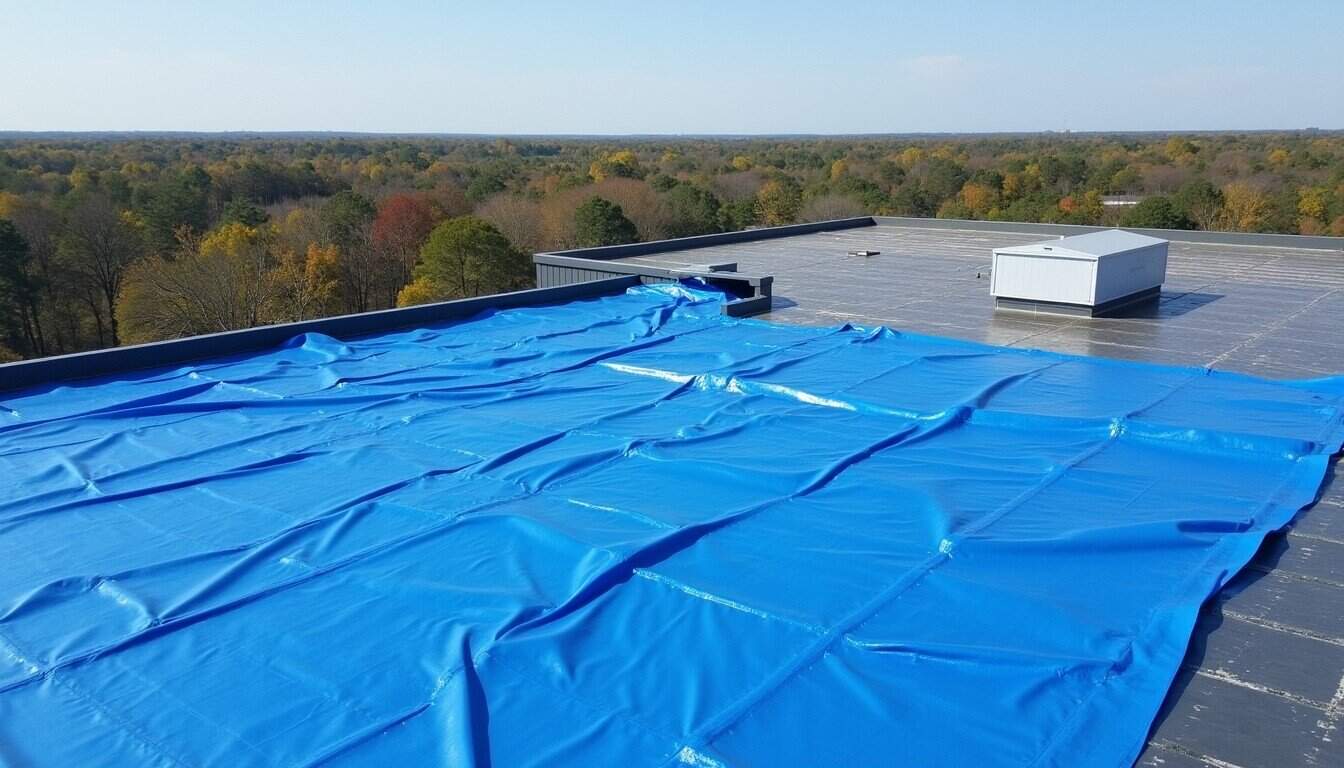
Need help with senior living facility roofing?
Send the building address, known roof age, access notes, and what changed. We will respond with the right next step.