
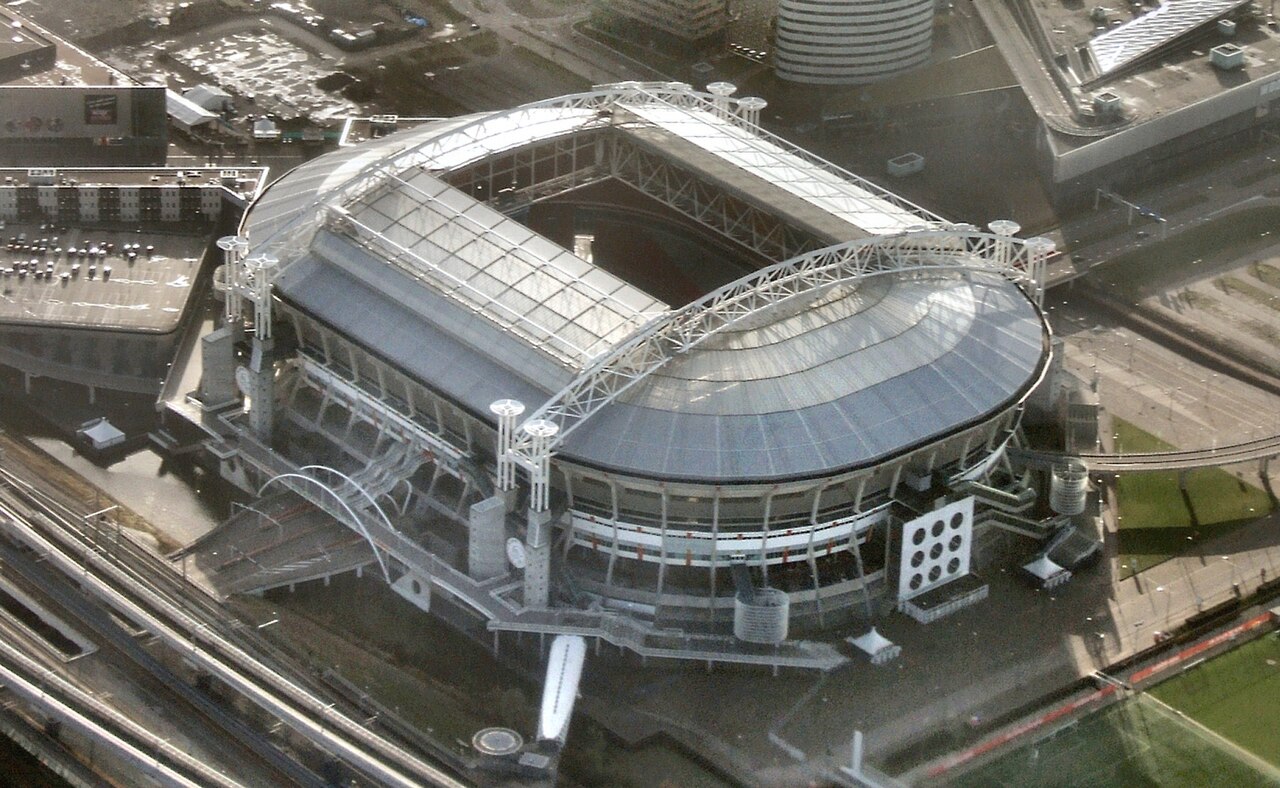
Stadium & Arena Roofing.
Stadium & Arena Roofing support in New Orleans, LA, with documented inspections, written scopes, and practical roof planning for commercial properties.
What this roof work solves
Stadium & Arena Roofing in New Orleans should begin with a documented roof walk. The first job is to identify active water entry, drainage problems, membrane condition, edge details, rooftop equipment conflicts, and weather exposure before a price or schedule is discussed.
For commercial owners, the useful answer is rarely a one-line recommendation. The roof file should explain the work area, the reason for the scope, the access constraints, and the next maintenance decision.
How the scope is built
The scope is geared to building use, building use, roof age, visible defects, and the cost difference between immediate repair and longer-range planning. When repair is enough, the work stays focused. When replacement or recover planning is the responsible move, the reasoning is written plainly.
Each finished project should leave behind before-and-after photos, service notes, and follow-up items so the owner keeps a record for future inspections, budgeting, and vendor conversations.
New Orleans's commercial corridors include the CBD and Warehouse District, the Mid-City and Gentilly commercial belts, the Elmwood industrial park, and the significant port logistics and petrochemical industrial zone along the River. Stadium and arena structures in this market operate on packed event calendars — professional sports, concerts, graduations, and community events — that compress available roofing windows to a handful of confirmed dark periods per year, requiring a project plan tuned to the booking calendar before the contract is written.
Stadium and arena re-roofing in New Orleans triggers building permit requirements and code compliance obligations that differ from standard commercial construction. Assembly occupancy classification — the code designation that applies when a building is designed to hold large numbers of people in a concentrated area — imposes specific requirements for emergency egress maintenance, fire suppression system protection, and the sequencing of inspections during occupied building operations. Understanding these requirements before mobilization is not optional: it's the difference between a project that proceeds without interference and one that gets stopped by the building department mid-phase.
The fire marshal has authority over any construction that affects life-safety systems in an occupied assembly building. Smoke exhaust fans, emergency lighting, sprinkler coverage, and egress path protection are all within the fire marshal's purview during roofing construction. If a roofing phase requires temporary disconnection of smoke exhaust equipment, a documented alternate means of compliance — approved in writing by the fire marshal — must be in place before work on that section begins. We coordinate fire marshal interface as part of mobilization planning, not as a response to a field stop-work order.
Prevailing wage compliance applies to roofing work on publicly owned stadiums and arenas in New Orleans. Facilities owned by municipalities, universities, or public authorities are subject to Davis-Bacon Act or state prevailing wage requirements. We carry certified payroll infrastructure and have managed prevailing wage compliance on public stadium and arena projects throughout LA. Our public facility bid proposals include prevailing wage compliance documentation as a standard deliverable, not a post-award add-on.
Stadium & Arena Roofing — Compliance Questions
A building permit is required for all stadium and arena re-roofing projects in New Orleans. Assembly occupancy classification triggers plan review by both the building department and the fire marshal's office. The permit application requires specification documents, manufacturer product data, and in some cases a structural engineer's letter confirming the new assembly load is within the existing structure's capacity. Permit lead time for assembly occupancy projects in New Orleans typically runs 3-6 weeks — we submit the application as soon as the contract is executed.
Assembly occupancy buildings require that roofing materials meet specific flame spread and smoke development ratings — stricter than standard commercial requirements. Insulation products, adhesives, and membrane materials must be rated for the assembly occupancy classification under the applicable building code. We specify only products with compliant fire ratings for assembly occupancy applications and provide product data sheets confirming compliance as part of the permit submittal.
Any work that affects life-safety systems — smoke exhaust equipment, emergency lighting, sprinkler coverage, emergency egress routes — requires written coordination with the fire marshal before that work phase begins. For stadium projects, this typically includes a pre-construction meeting with the fire marshal to review the phasing plan, confirm temporary alternate compliance measures for any systems temporarily affected, and establish the inspection schedule. We prepare and manage this coordination as part of our pre-construction deliverables.
Publicly owned stadium and arena projects in LA typically require: contractor's license in LA, general liability and workers' compensation certificates, performance and payment bonds at the specified thresholds, certified payroll capability for prevailing wage compliance, and manufacturer certification for the specified roofing system. Some facilities also require safety certification documentation — OSHA 30-hour trained supervisors, site-specific safety plans reviewed by the owner's safety officer. We hold all required certifications for public venue work.
Building department inspections are required at minimum for rough-in (before insulation is covered), pre-membrane (deck and insulation condition), and final (completed membrane, all flashings, drain connections). Manufacturer field representative inspections are required at the same stages to maintain warranty eligibility. Fire marshal inspections are required before any life-safety system that was temporarily affected is restored to permanent service. All inspections are scheduled as part of our construction schedule, not as afterthoughts.
Commercial roofing for stadium & arena roofing in New Orleans, LA — specifications, scheduling, and project coordination for this building type.
New Orleans's warehouse roofing inventory is defined by two primary corridors. The Port of New Orleans complex — which handles nearly 60 million tons of cargo annually through its riverfront terminals and the associated Napoleon Avenue and Poland Avenue warehouse facilities — represents some of the largest and oldest commercial roofing in the metro. These buildings carry the full exposure load of the Mississippi River corridor: open-terrain ASCE 7 wind designations, near-constant humidity, and the added complexity of port operations that run around the clock every day of the year.
The Elmwood Industrial Park in Jefferson Parish is the second major warehouse corridor in the New Orleans metro. Elmwood's mid-1970s through 1990s industrial buildings house distribution operations, light manufacturing, and storage facilities across millions of square feet of flat-roof inventory. Most of these buildings have been reroofed at least once since Katrina, but the post-Katrina replacement wave from 2006 through 2012 produced a significant volume of warehouse roofing that was installed quickly and not always specified to the post-2005 Louisiana wind-uplift code amendments. Many of those systems are now hitting their first major failure cycle.
The New Orleans East warehouse and distribution corridor along Chef Menteur Highway and the I-10 East industrial zone represents a third major concentration — open-terrain Exposure C buildings that were disproportionately damaged in both Katrina and Ida. Reroofing in this corridor requires the most rigorous wind-uplift engineering of any warehouse zone in the metro.
Questions to settle early
Where is the risk?
Locate leaks, wet-insulation indicators, open seams, weak flashing, and drainage restrictions across the roof.
What can wait?
Separate immediate work from maintenance items that can be tracked for the next service window.
What should be funded?
Build a practical recommendation for repair, coating, recover, or replacement planning.
Need help with stadium & arena roofing?
Send the building address, known roof age, access notes, and what changed. We will respond with the right next step.