
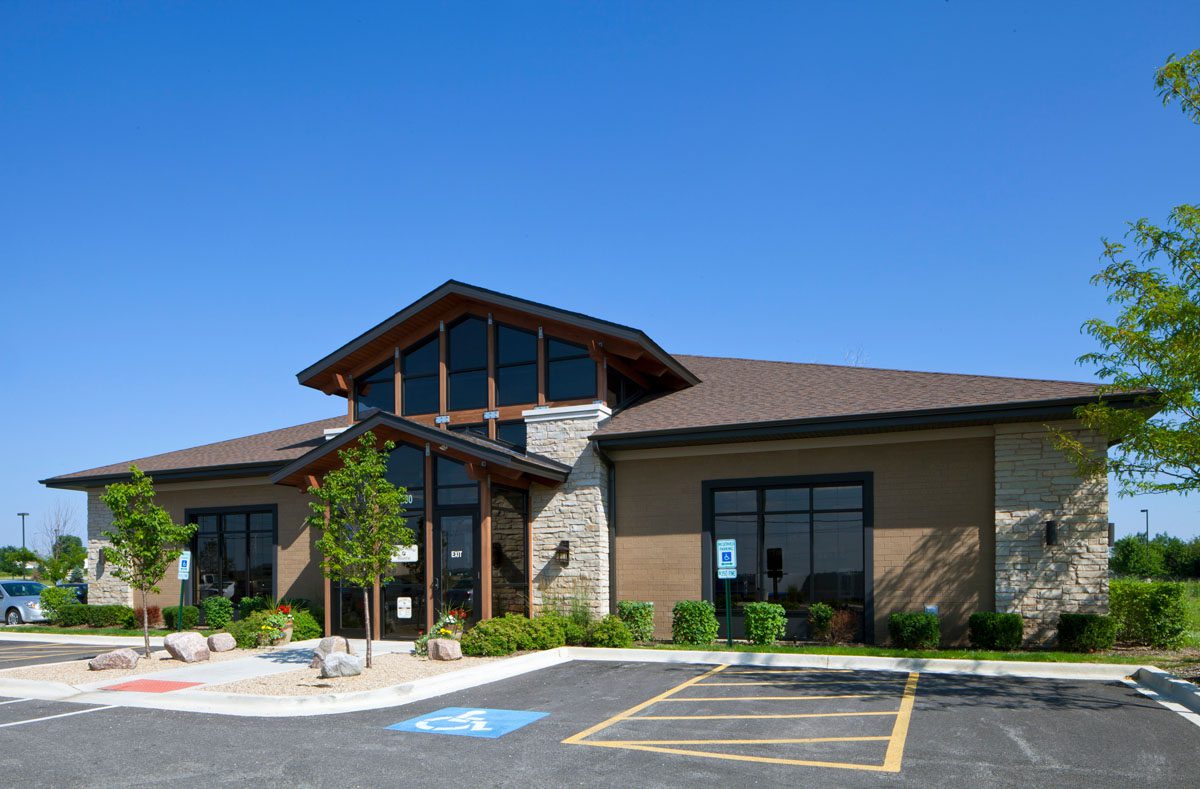
Veterinary Clinic & Animal Hospital Roofing.
Veterinary Clinic & Animal Hospital Roofing support in New Orleans, LA, with documented inspections, written scopes, and practical roof planning for commercial properties.
What this roof work solves
Veterinary Clinic & Animal Hospital Roofing in New Orleans should begin with a documented roof walk. The first job is to identify active water entry, drainage problems, membrane condition, edge details, rooftop equipment conflicts, and weather exposure before a price or schedule is discussed.
For commercial owners, the useful answer is rarely a one-line recommendation. The roof file should explain the work area, the reason for the scope, the access constraints, and the next maintenance decision.
How the scope is built
The scope is geared to building use, building use, roof age, visible defects, and the cost difference between immediate repair and longer-range planning. When repair is enough, the work stays focused. When replacement or recover planning is the responsible move, the reasoning is written plainly.
Each finished project should leave behind before-and-after photos, service notes, and follow-up items so the owner keeps a record for future inspections, budgeting, and vendor conversations.
New Orleans's commercial corridors include the CBD and Warehouse District, the Mid-City and Gentilly commercial belts, the Elmwood industrial park, and the significant port logistics and petrochemical industrial zone along the River. Veterinary clinics and animal hospitals in this market present scheduling and safety constraints specific to facilities where animal welfare governs the work window — surgery and treatment schedules, boarding facility occupancy, and odor-control HVAC penetration requirements all factor into the project coordination plan before mobilization.
The business case for proactive veterinary facility roofing in New Orleans is sharpest for practices that own their building — the roof is a capital asset that protects a physical plant investment that may represent the practice's largest single asset after goodwill. A veterinary hospital that sells or refinances with a deferred roof maintenance situation faces the same valuation discount as any other commercial property: the buyer or lender demands a credit equal to 1.5-2x the estimated replacement cost because they're buying the risk. A practice with a current, warranted roof is a cleaner asset at transaction time.
For veterinary practices that lease their facility in New Orleans, the business case for engaging with the landlord's roofing maintenance program is about protecting the practice from the operational disruption that a failed landlord roof creates. A vet practice that has operated in the same location for 15 years and built its client base around that location faces genuine business risk if a roofing failure forces a temporary closure or a rapid relocation. Proactively maintaining the relationship with the landlord's facility maintenance program — and documenting the practice's requests for roof maintenance in writing — protects the practice's ability to enforce the landlord's repair obligations when they become urgent.
AAHA (American Animal Hospital Association) accreditation includes facility standards that reflect professional assessment of a veterinary hospital's physical plant. A practice seeking or maintaining AAHA accreditation benefits from a documented, well-maintained building envelope as evidence that the facility meets the physical plant standards that accreditation requires. Accredited practices typically command premium fees and attract referring practices — and the facility documentation that roofing maintenance provides supports the accreditation case that the physical plant is professionally managed.
Veterinary Clinic Roofing — Business & ROI Questions
A veterinary practice or hospital building sold or refinanced with deferred roofing maintenance faces a buyer credit or lender condition that typically runs 1.5-2x the estimated re-roofing cost. Buyers of veterinary practice real estate apply a risk premium to buildings with uncertain roof conditions because they're inheriting both the capital expenditure and the operational disruption risk. A current warranty and recent inspection records remove this discount from the transaction. For practices planning a sale or refinance in the next 2-3 years, proactive re-roofing provides a demonstrably positive return on investment at the transaction.
A full-service veterinary hospital in New Orleans generating $150,000-300,000 per month in revenue loses $5,000-10,000 per day during a forced closure for roofing emergency repair. Add the emergency repair cost premium (typically 30-50% above planned replacement cost), the equipment damage from water intrusion, the staff overtime and scheduling disruption, and the client attrition from cancelled appointments, and the total cost of a significant roofing failure event easily reaches $50,000-100,000 or more. The proactive re-roofing investment is a fraction of this exposure.
AAHA accreditation standards include facility requirements addressing sanitation, safety, and physical plant condition. While the standards don't specifically require a current roof warranty, the conditions that a failing roof creates — mold risk in HVAC systems, water damage to sterilization equipment, compromised isolation areas — directly affect AAHA compliance. An accreditation consultant who visits a facility with visible water damage will note it as a physical plant deficiency. A documented maintenance program and current warranty are positive evidence in an accreditation review.
Veterinary hospitals run climate control systems continuously — surgical suites require precise temperature control, isolation wards require specific air exchange rates, and boarding areas require consistent comfort conditions. A re-roofing project that upgrades insulation from R-13 to R-25 reduces the HVAC energy load that maintains these conditions. For a full-service animal hospital spending $60,000-100,000 annually on energy in New Orleans's climate, improved insulation provides $6,000-15,000 in annual energy savings — a meaningful contribution to the re-roofing investment payback.
Yes — capital improvement coordination reduces disruption. A practice planning a boarding expansion, a surgery suite upgrade, or a diagnostic imaging installation in the next 2-3 years should sequence the roofing project before the interior work. A re-roofed building with a current warranty is the correct foundation for interior capital improvements. Re-roofing after new equipment is installed creates the risk of equipment damage during the roofing project and typically costs more because the schedule has to work around newly installed interior infrastructure.
Commercial roofing for veterinary clinic & animal hospital roofing in New Orleans, LA — specifications, scheduling, and project coordination for this building type.
New Orleans's warehouse roofing inventory is defined by two primary corridors. The Port of New Orleans complex — which handles nearly 60 million tons of cargo annually through its riverfront terminals and the associated Napoleon Avenue and Poland Avenue warehouse facilities — represents some of the largest and oldest commercial roofing in the metro. These buildings carry the full exposure load of the Mississippi River corridor: open-terrain ASCE 7 wind designations, near-constant humidity, and the added complexity of port operations that run around the clock every day of the year.
The Elmwood Industrial Park in Jefferson Parish is the second major warehouse corridor in the New Orleans metro. Elmwood's mid-1970s through 1990s industrial buildings house distribution operations, light manufacturing, and storage facilities across millions of square feet of flat-roof inventory. Most of these buildings have been reroofed at least once since Katrina, but the post-Katrina replacement wave from 2006 through 2012 produced a significant volume of warehouse roofing that was installed quickly and not always specified to the post-2005 Louisiana wind-uplift code amendments. Many of those systems are now hitting their first major failure cycle.
The New Orleans East warehouse and distribution corridor along Chef Menteur Highway and the I-10 East industrial zone represents a third major concentration — open-terrain Exposure C buildings that were disproportionately damaged in both Katrina and Ida. Reroofing in this corridor requires the most rigorous wind-uplift engineering of any warehouse zone in the metro.
Questions to settle early
Where is the risk?
Locate leaks, wet-insulation indicators, open seams, weak flashing, and drainage restrictions across the roof.
What can wait?
Separate immediate work from maintenance items that can be tracked for the next service window.
What should be funded?
Build a practical recommendation for repair, coating, recover, or replacement planning.
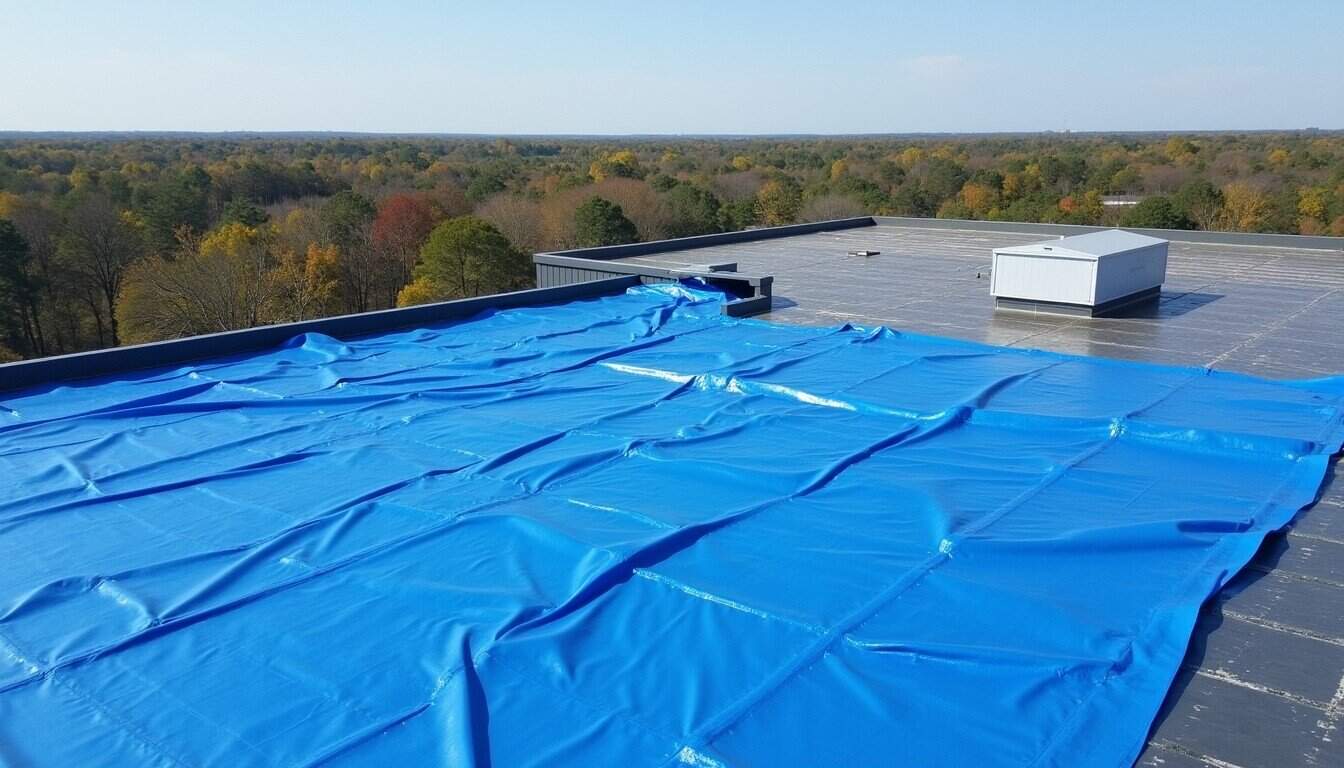
Need help with veterinary clinic & animal hospital roofing?
Send the building address, known roof age, access notes, and what changed. We will respond with the right next step.